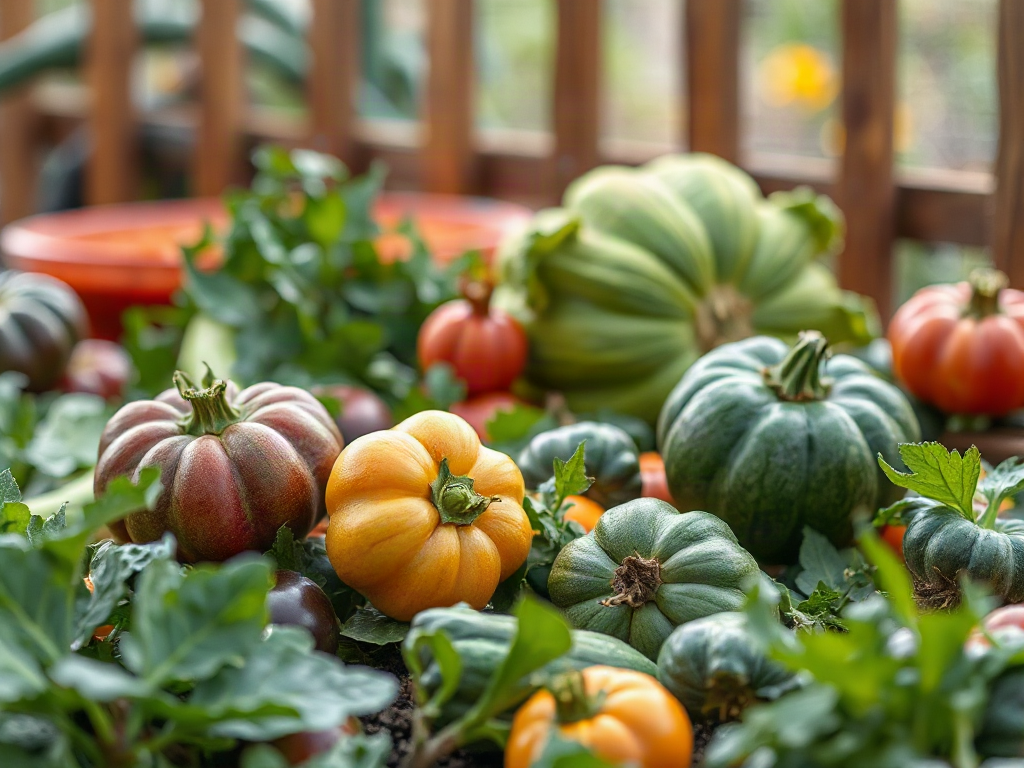
Quick Answer: The best method is to build healthy soil with mature compost, plant season-appropriate vegetables in adequate sun, water at the root zone, mulch, and inspect plants often. Prevent problems through proper spacing, crop diversity, barriers, and sanitation; use a labeled organic treatment only after identifying a pest and deciding that control is necessary.
Why This Happens: Vegetables are less vulnerable to weeds, pests, and disease when their light, soil, water, temperature, and spacing needs are met. Organic gardening therefore works best as a preventive system: it supports soil life and plant health while limiting disruptive interventions rather than relying on routine sprays or heavy fertilizer applications.
How To Fix It:
- Choose a manageable, well-drained site receiving at least six to eight hours of sun for most fruiting crops.
- Test the soil, add mature compost in moderation, and correct pH or nutrient issues only when results justify it.
- Plant vegetables suited to the current season, following packet directions for depth and mature spacing.
- Mulch established plants, water deeply near the soil, and check leaves and stems several times each week.
- Identify damage before acting, beginning with hand removal, barriers, sanitation, or another targeted low-impact control.
The best way to grow organic vegetables is to treat the garden as a living system rather than replace synthetic products with products labeled organic. Begin with a sunny, well-drained site, build fertile soil with mature compost, grow vegetables suited to the local season, water consistently, and prevent pests through crop diversity, observation, and physical controls. This approach gives plants the conditions to resist many problems while keeping interventions targeted and proportionate.
Start with the right site and a manageable plan
Most fruiting vegetables, including tomatoes, peppers, cucumbers, squash, and beans, perform best with at least six to eight hours of direct sun. Leafy crops can tolerate somewhat less, but deep shade usually produces thin growth and disappointing harvests. Select a spot close enough to a water source that regular irrigation will be practical. Avoid low areas where water remains after rain, as persistently wet soil restricts roots and encourages disease.
Start smaller than the available space might allow. One or two raised beds, a compact in-ground plot, or several large containers are easier to weed, water, and inspect than a large garden planted all at once. Leave paths wide enough to reach every plant without stepping on cultivated soil. Walking on beds compacts the soil, reducing the pore spaces that roots need for air and drainage.
Before planting, learn the approximate first and last frost dates for the area and separate vegetables into cool-season and warm-season groups. Lettuce, peas, radishes, carrots, kale, and many brassicas generally prefer cool conditions. Tomatoes, peppers, beans, cucumbers, squash, and eggplants need warmth. Planting a healthy vegetable in the wrong season cannot usually be corrected with extra fertilizer or an organic spray. A broader introduction to sustainable vegetable gardening can help place these choices within a long-term garden plan.
Build healthy soil before feeding individual plants
Soil is the foundation of organic vegetable gardening. If possible, obtain a soil test before adding lime, sulfur, or concentrated nutrients. A test can identify pH concerns and nutrient levels, preventing unnecessary amendments. Vegetables commonly grow well in slightly acidic to neutral soil, but the appropriate correction depends on the existing soil and the crops. Adding amendments without testing can create excesses that are difficult to reverse.
Mix a moderate layer of mature compost into a new bed, then use smaller additions between crops or at the start of each main season. Finished compost should be dark, crumbly, and earthy-smelling, without recognizable food scraps or strong ammonia odors. Compost improves soil structure and water management while supplying nutrients gradually. It is valuable, but it is not automatically a complete fertilizer. Learn what distinguishes organic garden compost before applying homemade or purchased material.
Avoid the assumption that more organic fertilizer is always better. Excess nitrogen can produce lush leaves with fewer flowers or fruits, and any nutrient source can pollute water when overapplied. Choose amendments according to soil-test guidance and label directions. When growing in containers, use a quality potting mix instead of garden soil. Potting mix maintains drainage in a confined space; ordinary soil can become dense and waterlogged.
Protect the soil surface
After seedlings are established and the soil has warmed appropriately, cover bare ground with a layer of clean straw, shredded leaves, untreated grass clippings applied thinly, or another suitable organic mulch. Keep it a few inches away from stems. Mulch reduces evaporation, slows weeds, cushions the soil from heavy rain, and eventually contributes organic matter. It does not eliminate weeding, but young weeds are easier to remove before they develop large roots or set seed.
Choose crops well and plant them correctly
Select vegetables that match the climate, season, available sunlight, and space. Disease-resistant varieties can reduce the need for later treatment, so check seed descriptions for resistance relevant to common local problems. Organic seeds and transplants may be preferred when available, but healthy, vigorous plants are also important. Reject transplants with yellow leaves, crowded roots, insects, spots, or signs of stress.
Follow the seed packet for planting depth and spacing rather than packing in as many plants as possible. Crowding reduces airflow and makes leaves remain wet longer, which can favor disease. It also creates competition for light, moisture, and nutrients. Thin direct-sown seedlings promptly. The short-term discomfort of removing extras usually results in larger, healthier remaining plants.
Use succession planting to keep a modest space productive. For example, sow a short row of radishes or lettuce, then make another sowing after a brief interval rather than planting the entire packet on one day. When an early crop finishes, replace it with one suited to the next part of the season. Rotate plant families where space permits, especially if a bed experienced a soilborne disease. Rotation is less effective in a tiny plot, but avoiding the same family in the same bed every season can still be useful.
Diversity is more practical than complicated companion-planting rules. Growing several vegetable species and including flowering plants can provide habitat and food for pollinators and beneficial insects. However, flowers do not guarantee pest control, and not every plant combination has a special effect. Prioritize correct spacing, seasonal suitability, and crop health over claims that one plant will protect another from every problem.
Water consistently and maintain plants routinely
Water deeply enough to moisten the active root zone, then allow the soil surface to begin drying before watering again. Check the soil with a finger or small trowel instead of relying only on a fixed calendar. Sandy soil, containers, wind, heat, and young plants may require more frequent attention, while clay soil and mulched beds often retain moisture longer. Both drought and constant saturation stress roots.
Apply water near the soil with drip irrigation, a soaker hose, or a watering wand. If overhead watering is necessary, water early enough for foliage to dry. Morning irrigation also reduces immediate evaporation compared with the hottest part of the day. Containers need drainage holes and should never be left continuously standing in water unless a particular growing system is designed for it.
Inspect the garden several times each week. Tie or trellis climbing crops before stems sprawl, remove weeds while small, and harvest vegetables promptly. Overripe produce can slow further production and attract pests. Remove badly diseased material rather than placing it in a cool compost pile that may not destroy pathogens. Healthy crop residues can be composted, while local guidance should determine how to dispose of diseased plants.
Keep simple notes on planting dates, varieties, harvests, and recurring problems. These records are more useful than memory when deciding what to change next season. Beginners who need help creating a routine can consult this guide to beginner garden planning for tools and maintenance considerations.
Prevent and manage pests without routine spraying
Organic gardening does not mean leaving crops unprotected, nor does it mean that every naturally derived substance is harmless. The best approach is integrated pest management: prevent trouble, identify the specific cause, decide whether damage justifies action, and select the least disruptive effective control. A few holes in a leaf may not affect the harvest, while rapidly increasing damage to young plants may require prompt action.
Identify the problem before treating it
Look at the tops and undersides of leaves, stems, roots, and nearby soil. Note whether damage appears as chewing, stippling, wilting, spots, mold, or distorted growth. Check whether insects are actually present. Nutrient problems, sunscald, drought, poor pollination, and disease can resemble pest injury, so a pesticide will not solve every symptom. Photographs and a sample sealed in a bag can help a local extension office or reputable garden center identify an uncertain problem.
Begin with physical and cultural controls. Handpick large insects, use row cover over vulnerable young crops, prune infected leaves when appropriate, remove crop debris, and control weeds that shelter pests. Row cover must be secured at the edges and removed when insect-pollinated crops begin flowering, unless the crop can be uncovered temporarily for pollination. Barriers work best before pests arrive.
If a treatment is necessary, choose a product labeled for the exact pest and vegetable. Confirm that it is acceptable under the organic standard being followed, and use it precisely as directed. Observe application rates, protective equipment requirements, pollinator precautions, and the interval between treatment and harvest. Insecticidal soap, horticultural oil, microbial products, and botanical pesticides each control limited groups of pests; none is a universal organic remedy. Spraying an unidentified problem wastes material and may harm beneficial organisms.
At the end of each crop, remove residues, replenish mulch or compost as needed, and review what succeeded. Organic vegetable gardening improves through repeated observation rather than one perfect input. A manageable plot, healthy soil, suitable crops, steady water, and early problem detection form the most reliable method. Start with those fundamentals, make one evidence-based change at a time, and let the condition of the plants and soil guide the next decision.
Popular Questions
Can vegetables be grown organically in containers?
Yes. Use containers with drainage holes and enough volume for each mature plant, then fill them with quality potting mix rather than dense garden soil. Containers dry faster than beds, so check moisture regularly and water thoroughly when needed. Because nutrients also wash out over time, apply an appropriate organic fertilizer according to the product label and the crop’s needs.
Is compost enough fertilizer for every vegetable crop?
Not always. Mature compost improves structure, moisture management, and biological activity while contributing nutrients, but its nutrient balance varies. Heavy-feeding crops or deficient soil may require an additional amendment. A soil test and visible plant condition should guide that choice. Avoid adding large amounts simply because compost or fertilizer is organic, since nutrient excess can also damage plants and water quality.
How can insects be controlled without synthetic pesticides?
Inspect plants frequently and identify the insect before choosing a response. Depending on the pest, practical options include handpicking, securely installed row cover, removing infested leaves, controlling weeds, or encouraging beneficial insects with plant diversity. If those measures are insufficient, use a product labeled for that pest and vegetable, following all directions and pollinator and harvest precautions.
Should garden soil be replaced when starting an organic bed?
Usually not. Existing soil can often be improved with mature compost, reduced compaction, mulch, and amendments based on a soil test. Replacement may be appropriate if soil is seriously contaminated, filled with construction debris, or unsuitable for safe food production. In those cases, seek local testing guidance and consider raised beds with verified clean soil rather than guessing about the risk.