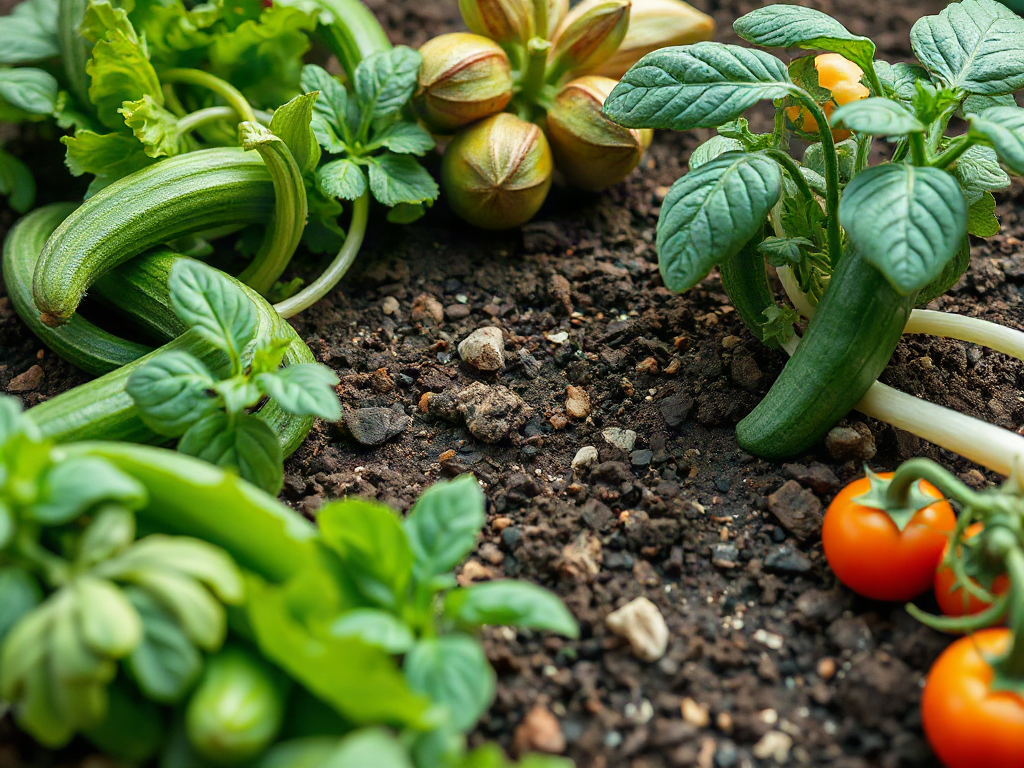
Quick Answer: Organic vegetable gardening grows food by building healthy soil, preventing pests and diseases, and avoiding routine dependence on synthetic fertilizers and pesticides. Sustainable gardening includes those ideas but also emphasizes conserving water, reducing waste, using locally suitable resources, and maintaining a productive garden over the long term. The two approaches usually overlap, although formal organic certification has specific rules beyond ordinary home-garden practice.
Why This Happens: Vegetable production removes nutrients and uses water, while exposed soil, excessive amendments, and poorly targeted pesticides can create lasting problems. Organic and sustainable methods respond by treating soil fertility, crop health, pest management, and resource use as connected parts of one living system rather than isolated issues.
How To Fix It:
- Assess sunlight, drainage, water access, available time, and any possible soil-contamination concerns before selecting a growing area.
- Choose a few vegetables suited to the local season, then use a soil test to guide compost, fertilizer, or pH amendments.
- Cover bare soil with suitable mulch, water according to actual soil moisture, and rotate crop families when space allows.
- Inspect plants weekly, identify pests or diseases correctly, and try cultural or physical controls before a targeted product.
- Record harvests, water use, pest problems, and failed crops so the garden can be adjusted after each season.
Organic or sustainable vegetable gardening is the practice of growing edible crops while protecting soil, water, wildlife, and other resources needed for future harvests. Instead of relying mainly on synthetic fertilizers and broad-spectrum pesticides, the gardener builds fertile soil, prevents problems through thoughtful design, and uses the least disruptive suitable response when intervention is necessary. Organic gardening and sustainable gardening overlap, but they are not perfect synonyms: organic describes the inputs and practices used, while sustainable also considers long-term resource use, resilience, waste, and local conditions.
What organic vegetable gardening means
At its core, organic vegetable gardening treats the garden as a living system. Plants are connected to soil organisms, insects, water, weather, and the gardener’s choices. The aim is not simply to replace a synthetic product with a product labeled organic. It is to create conditions in which vegetables can grow well with fewer corrective treatments.
That begins with healthy soil. Gardeners add finished compost and other appropriate organic matter, keep the ground covered when practical, avoid unnecessary compaction, and rotate crop families. Nutrients are supplied according to plant needs rather than applied automatically. A soil test can show whether the bed actually needs lime, phosphorus, potassium, or another amendment. Adding more than the soil or crop requires can waste money and allow nutrients to move into waterways.
Organic practices also emphasize prevention. Examples include selecting vegetables suited to the season, giving plants enough space for airflow, watering near the soil instead of repeatedly wetting leaves, removing diseased material, and checking plants regularly. When pests appear, the gardener identifies them before acting. Hand removal, barriers, pruning, traps, or a narrowly targeted allowed product may be appropriate, depending on the problem.
In ordinary home-garden conversation, “organic” often means avoiding synthetic fertilizers and pesticides. Formal organic certification, however, is a regulated production and verification system. A home garden does not become certified merely because its owner uses natural products. Gardeners who want to follow certified-production standards should consult the rules that apply in their location rather than relying only on marketing terms.
How sustainability expands the idea
Sustainable vegetable gardening asks whether today’s harvest can be produced without undermining tomorrow’s soil, water supply, biodiversity, or ability to garden. It favors renewable or locally available resources, efficient methods, and systems that can continue through changing weather and ordinary setbacks. The goal is improvement and resilience, not an imaginary garden with no environmental effect.
A sustainable gardener might capture rainwater where local rules and site conditions permit, apply mulch to reduce evaporation, repair tools rather than replace them unnecessarily, and make compost from suitable garden and kitchen materials. Reusing pots and supports can reduce waste, provided they are cleaned when plant disease is a concern. Learning what organic garden compost is helps distinguish a stable soil amendment from raw waste that may attract pests or harm plants.
Plant choice matters as much as product choice. Vegetables grown in their suitable season usually require less protection from heat, frost, and disease. A gardener in a dry climate may prioritize drip irrigation, mulch, and drought-tolerant varieties. Someone in a humid climate may focus more on airflow, disease-resistant varieties, and morning irrigation. Sustainability therefore does not prescribe one universal garden plan; it requires adapting sound principles to local constraints.
The human side counts too. A system that demands more time, water, space, or money than a household can provide is unlikely to last. Starting with one manageable bed or several containers may be more sustainable than preparing a large plot that cannot be maintained. For basic planning, this guide to starting a garden covers practical decisions about tools, maintenance, and expectations.
The main practices in a sustainable organic garden
Build and protect living soil
Healthy soil holds water while still allowing air to reach roots. It also supports organisms that break down organic material and cycle nutrients. Add mature compost in reasonable amounts, disturb the soil only as much as necessary, and avoid walking on growing beds. Mulch bare areas with an appropriate material to moderate temperature, suppress weeds, and reduce surface evaporation. Remove persistent weeds before they set seed, but recognize that total sterility is neither necessary nor realistic.
Rotate plant families when space permits. Tomatoes, peppers, and eggplants belong to the same family, for example, so substituting peppers for tomatoes does not create a true family rotation. Rotation can interrupt some recurring pest and disease patterns, although it cannot eliminate every soil problem in a small yard. Cover crops can protect and improve an unused bed, but the species and planting time must fit the climate and the next vegetable crop.
Prevent pests and use measured controls
Regular observation is one of the most effective tools. Inspect leaf undersides, stems, new growth, and soil level at least weekly during active growth. A few damaged leaves do not always justify treatment. Determine whether the organism is actually causing important harm, and remember that many insects are harmless or beneficial.
If action is needed, begin with cultural and physical measures. Correct watering problems, remove badly affected plant parts, exclude insects with suitable netting, or handpick larger pests. Encourage beneficial insects with diverse flowering plants and by avoiding unnecessary broad-spectrum sprays. Organic pesticides can still injure pollinators, aquatic life, pets, or people when misused. “Natural” does not mean harmless, so confirm that a product is labeled for the crop and problem, then follow its directions exactly.
Water should be delivered efficiently and deeply enough for the crop’s roots without leaving the bed continually saturated. Drip lines and soaker hoses can reduce leaf wetness, but they still need monitoring. Check beneath mulch before irrigating rather than watering on a fixed schedule regardless of rainfall. Repair leaks, group plants with similar water needs, and improve soil structure gradually so water can enter and remain available.
What this approach does not require
Organic or sustainable gardening does not require a perfect, pest-free plot. Some leaf damage, weeds, crop failures, and seasonal variation are normal. Nor does it mean that every amendment must be homemade. Purchased compost, transplants, mulch, and pest controls may be reasonable when their contents, quality, transport, cost, and intended use have been considered.
It also does not mean that all old methods are sustainable or that every new tool is harmful. A durable irrigation timer may conserve water; a poorly managed pile of raw organic waste may create odors and pests. Judge a practice by its actual effects and suitability rather than by whether it appears traditional or carries green packaging.
Likewise, organic vegetables are not automatically more nutritious, and an organic label alone does not describe every environmental impact. Soil management, freshness, variety, storage, transport, and food preparation are separate considerations. The broader meaning of organic farming can help clarify the difference between defined production practices and wider claims about quality.
How to start using these principles
Begin by assessing the site. Most fruiting vegetables need substantial direct sunlight, while some leafy crops tolerate less. Find out where water collects, how close a hose or other water source is, and whether the site may contain contaminated soil. If contamination is possible, seek local guidance and consider tested soil, raised beds, or containers rather than assuming that adding compost resolves the risk.
Choose a small number of vegetables suited to the local planting season and foods the household will use. Prepare only the space that can be watered, weeded, and observed consistently. Test the soil when feasible, add only amendments that have a clear purpose, and use clean seeds or healthy transplants. Keep simple notes on planting dates, varieties, pest symptoms, treatments, rainfall, and harvests.
After each season, review what consumed the most water, labor, and materials. Keep practices that worked, change those that repeatedly failed, and compost healthy plant residues where appropriate. Diseased material and persistent seeding weeds may need another disposal method under local guidance. This cycle of observation and adjustment is central to sustainability.
In practical terms, organic or sustainable vegetable gardening means feeding the soil, conserving resources, preventing problems, and intervening carefully when needed. Start small, make decisions from evidence rather than labels, and improve the system one season at a time. A garden that remains fertile, manageable, and productive is a better measure of success than visual perfection.
Popular Questions
Can a garden be sustainable without being certified organic?
Yes. Certification is a formal system with defined production, recordkeeping, and verification requirements, while sustainability is a broader management goal. A home gardener can conserve water, build soil, reduce waste, support beneficial organisms, and minimize disruptive inputs without seeking certification. However, that gardener should not represent uncertified produce as formally certified organic.
Are organic pesticides always safe for pollinators?
No. A pesticide derived from a natural source can still harm bees, beneficial insects, people, pets, or aquatic organisms. First identify the pest and decide whether damage warrants treatment. If a product is needed, select one labeled for the crop and pest, avoid spraying active pollinators or open flowers when directed, and follow every label precaution.
What should be added to the soil before planting vegetables?
The answer depends on the existing soil and the crop. A soil test can identify pH and nutrient needs, while mature compost can improve soil structure and contribute organic matter. Do not add lime, manure, phosphorus, or other amendments automatically. Excess nutrients can damage plants, create imbalances, or leave the garden and pollute water.
Is a small container garden a sustainable option?
It can be, especially where yard soil is unavailable or unsuitable. Choose durable containers with drainage, use an appropriate potting mix, group crops by water needs, and select varieties that fit the available volume and light. Containers may dry quickly, so monitor moisture carefully and avoid applying fertilizer every time you water unless the product directions require it.