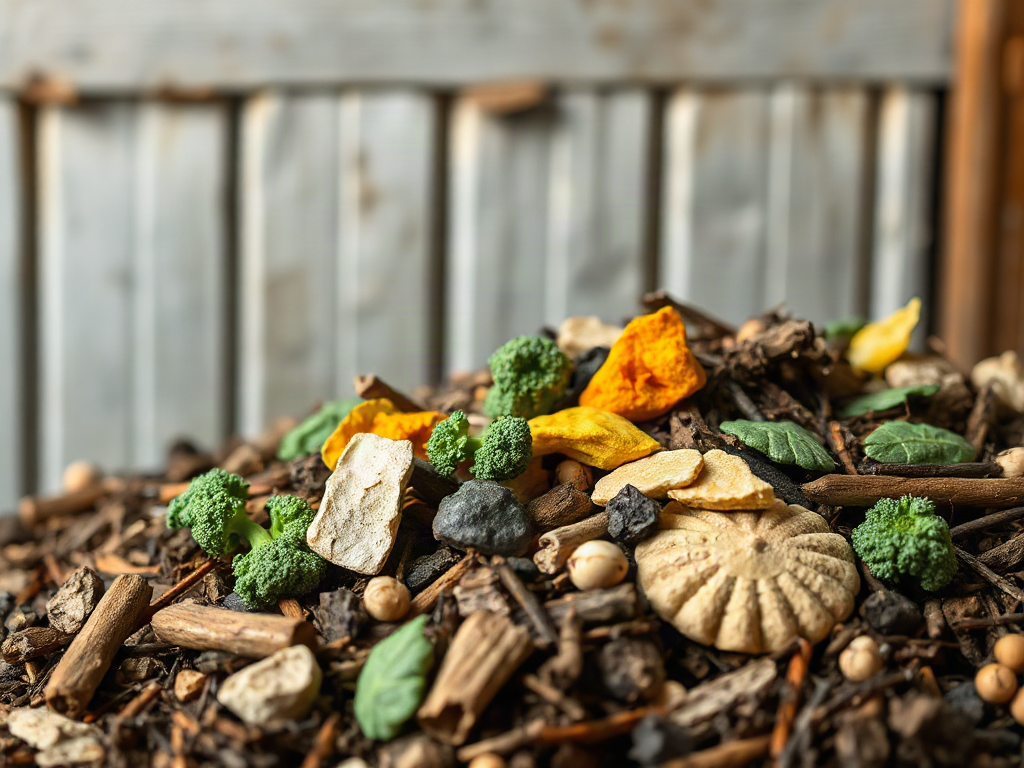
Quick Answer: Organic garden compost is decomposed plant-based and other suitable biodegradable material used to improve garden soil. Finished compost is dark, crumbly, earthy-smelling, and stable enough to place near plants; it supports soil structure, moisture retention, soil life, and gradual nutrient cycling. It is a soil amendment rather than a complete fertilizer or a replacement for soil.
Why This Happens: Microorganisms break down a balanced mixture of carbon-rich browns and nitrogen-rich greens when they have enough moisture and oxygen. Over time, recognizable scraps become a more stable organic material, although the process slows when a pile is too dry, waterlogged, compacted, or poorly balanced.
How To Fix It:
- Collect clean greens such as vegetable scraps and coffee grounds, plus browns such as dry leaves and shredded plain cardboard.
- Mix about two or three loose containers of browns with one container of greens, then moisten the pile to resemble a wrung-out sponge.
- Turn or loosen the contents periodically, adding dry browns if they smell bad or a little water and greens if they remain dry and unchanged.
- Wait until the compost is cool, dark, crumbly, and earthy-smelling before applying a thin layer to beds or blending it into potting mix.
Organic garden compost is a dark, crumbly soil amendment created when plant matter, food scraps, and other biodegradable materials decompose under managed conditions. Gardeners add finished compost to soil and potting mixes to improve structure, support soil organisms, retain moisture, and supply modest amounts of nutrients. The word “organic” refers both to the materials—once-living matter—and, in organic gardening, to avoiding prohibited synthetic inputs. Compost is not simply a pile of garbage, and it is not a complete fertilizer. It is a practical way to recycle suitable materials into stable organic matter that benefits garden soil.
What makes garden compost organic?
Organic compost begins with materials derived from plants or animals rather than manufactured synthetic ingredients. Typical inputs include fallen leaves, untreated grass clippings, vegetable peelings, coffee grounds, small amounts of plain paper or cardboard, and spent garden plants. Manure from appropriate herbivorous animals may also be composted, although it needs careful handling and sufficient aging before use around food crops.
For gardeners following certified organic standards, the source of every ingredient matters. A homemade pile can contain residues from herbicides applied to lawns, hay, straw, or animal feed. Purchased compost can also include municipal or agricultural materials that do not fit every gardener’s preferences. A product labeled “natural,” “soil conditioner,” or “compost” is not automatically approved for certified organic production. If certification matters, look for clear ingredient information and confirmation that the product is permitted under the applicable organic standard.
For an ordinary home garden, organic compost generally means finished compost made from clean biodegradable ingredients without deliberately added synthetic fertilizers, pesticides, plastics, or sewage-derived material. This soil-centered approach is part of the broader meaning of organic farming and gardening: building a healthy growing system rather than merely replacing one product with another.
How compost is made
Composting depends on microorganisms and small decomposers that consume organic material. They need a workable balance of carbon-rich “browns,” nitrogen-rich “greens,” moisture, and oxygen. Browns include dry leaves, shredded plain cardboard, small woody prunings, and straw. Greens include fresh grass clippings, fruit and vegetable scraps, coffee grounds, and young plant material. The labels describe how materials behave in a pile, not necessarily their visible color.
A useful starting method is to add roughly two or three containers of loose brown material for each container of green material. This is not a laboratory formula. Wet, dense grass needs more browns, while a pile containing mostly dry leaves needs more greens. Mix the ingredients instead of creating thick, compact layers. Pieces that are cut or shredded decompose more evenly, but material does not need to be pulverized.
Air and moisture matter
The pile should feel moist like a wrung-out sponge, with no water streaming from a squeezed handful. A dry pile decomposes slowly because microbial activity declines. A saturated pile loses air spaces and may produce sour or rotten odors. Covering the top can prevent excessive rain while still allowing air to enter from the sides.
Turning the pile introduces oxygen and mixes dry outer material into the active center. Frequent turning can produce compost sooner, while a pile left mostly alone will still break down if it has enough air and balanced ingredients. A larger mixed pile may become warm or hot as microbes work, but heat is not the sole measure of success. Small home piles often remain cool and simply need more time.
Finished compost is generally dark, loose, and earthy-smelling. Most original ingredients should no longer be identifiable, although a few small twigs or eggshell pieces may remain. Screen those pieces out or return them to the next pile. Compost that is still hot, sharply odorous, slimy, or full of recognizable food should continue decomposing before it is placed near plant roots.
What belongs in an organic compost pile?
Good home-composting ingredients include uncooked fruit and vegetable trimmings, coffee grounds and paper filters, tea leaves without plastic mesh bags, crushed eggshells, autumn leaves, untreated garden debris, and moderate amounts of grass. Plain paper and uncoated cardboard can be shredded and added as browns. Remove tape, glossy coatings, plastic windows, produce stickers, and staples where practical.
Healthy annual plants and soft prunings can usually go into the pile. Tough stems should be chopped into short lengths. Weeds that have not produced mature seeds are also useful. Seed heads and persistent roots require more caution because a cool pile may not destroy them. Diseased plants can carry problems into a garden if the pile does not remain hot enough for long enough, so disposal outside the compost pile is often the safer choice.
Avoid plastic, glass, metal, synthetic fabric, glossy printed material, treated wood, and pet waste. Meat, fish, dairy products, fats, and oily cooked food can create odors and attract animals in a basic open pile. Compostable service ware is not necessarily suitable for a backyard system; some products require sustained industrial conditions. Ash from untreated wood may be used only sparingly because it is alkaline and concentrated, while coal ash and ash from painted or treated materials should not be added.
Also consider chemical history. Grass treated recently with an herbicide should not automatically enter the pile. Hay, straw, manure, and bedding may contain persistent herbicide residues capable of damaging sensitive vegetables even after composting. When the source is uncertain, ask what was applied or test a small batch of finished compost by growing quick-germinating peas or beans in it alongside a clean control mix.
What compost does for garden soil
Compost improves soil physically as well as biologically. In heavy clay, it encourages a more open, workable structure and better movement of water and air. In sandy soil, organic matter helps hold moisture and nutrients that would otherwise drain quickly. Regular additions also provide habitat and food for organisms involved in nutrient cycling.
Finished compost contains plant nutrients, but the exact amounts vary with the ingredients and process. Nutrients are often released gradually, so compost should not be treated as a predictable substitute for every fertilizer. Crops with high nutrient demands may still need an appropriate soil amendment based on soil conditions and test results. Adding excessive compost year after year can raise nutrient or salt levels, particularly when the compost contains a large proportion of manure.
Compost also differs from topsoil and mulch. Topsoil is primarily mineral soil, although commercial products may contain compost. Mulch is material placed on the surface to cover the ground; compost can serve as a fine surface mulch, but coarse leaves, straw, or wood chips often suppress weeds and shield soil more effectively. Understanding these roles helps a new gardener select materials while following a broader beginner garden plan.
How to use finished compost
For a new bed, spread a modest layer over the surface and mix it gently into the upper soil, or leave it on top and let roots and soil organisms integrate it. In an established bed, apply a thin top-dressing around plants without piling it against stems or crowns. Repeated shallow applications are usually more sensible than filling a bed with compost alone.
Containers require a balanced potting medium with dependable drainage and air space. Pure compost may stay too wet, shrink as it continues breaking down, or contain more salts than young roots tolerate. Blend mature, screened compost as one component of a container mix rather than using it by itself. Gardeners facing crop-specific or local soil issues can also seek help with gardening techniques before making large amendments.
How to recognize and correct common compost problems
A bad smell usually indicates excessive moisture, compacted greens, or too little oxygen. Break up matted clumps, turn the pile, and mix in dry leaves or shredded cardboard. If the pile is dry and unchanged, moisten it while mixing and add a modest quantity of greens. Do not flood a dry pile; moisture should be distributed throughout rather than concentrated in one area.
Fruit flies can be reduced by burying fresh scraps in the center and covering each addition with several inches of leaves or finished compost. Rodents and other animals require stronger measures: exclude meat and dairy, use a secure lid, and line vulnerable openings with suitable metal mesh. A closed bin can improve pest control, but it still needs ventilation and balanced contents.
If finished compost contains many woody fragments, screen it and return the coarse portion to a new pile. If seedlings wilt after planting, stop using that batch until the cause is investigated. Immature compost, excessive salts, contaminated ingredients, or unrelated plant disease may produce similar symptoms. A cautious germination test and a soil or compost analysis can help distinguish them.
Organic garden compost is ultimately recycled organic matter that has become stable enough to support soil rather than compete with plants during active decay. Start with clean inputs, combine moist greens with airy browns, and allow the mixture to mature fully. Used in moderate amounts, compost becomes a foundation of organic gardening—not a cure for every soil problem, but a versatile way to improve the conditions in which plants grow.
Popular Questions
Can compost replace fertilizer in a vegetable garden?
Not reliably. Compost supplies varying amounts of nutrients and improves the soil environment, but it does not have a standardized nutrient analysis. Nutrient-hungry crops may require additional amendments. A soil test can show whether phosphorus, potassium, nitrogen, or pH needs attention and can help prevent excessive applications of manure-rich compost.
Is it safe to grow plants in pure compost?
Pure compost is usually not the best growing medium. It may retain too much water, shrink as it continues to decompose, or contain excessive soluble salts. In beds, combine modest amounts with existing mineral soil. For containers, use screened, mature compost as one ingredient in a balanced potting mix that also provides drainage and air space.
How can I tell whether homemade compost is ready?
Ready compost is cool, dark, loose, and smells like earth rather than sour food or ammonia. Most ingredients are no longer recognizable, aside from occasional twigs or shell fragments. If the pile is still heating, slimy, sharply odorous, or visibly full of scraps, mix it and allow decomposition to continue before using it around roots.
Should weeds and diseased plants go into the pile?
Young weeds without mature seeds can generally be composted, but seed heads and persistent roots may survive in a cool pile. Diseased plants are also risky unless the pile reaches and maintains conditions capable of breaking down the relevant pathogen. When that cannot be confirmed, exclude suspect plants and use an appropriate local disposal method.