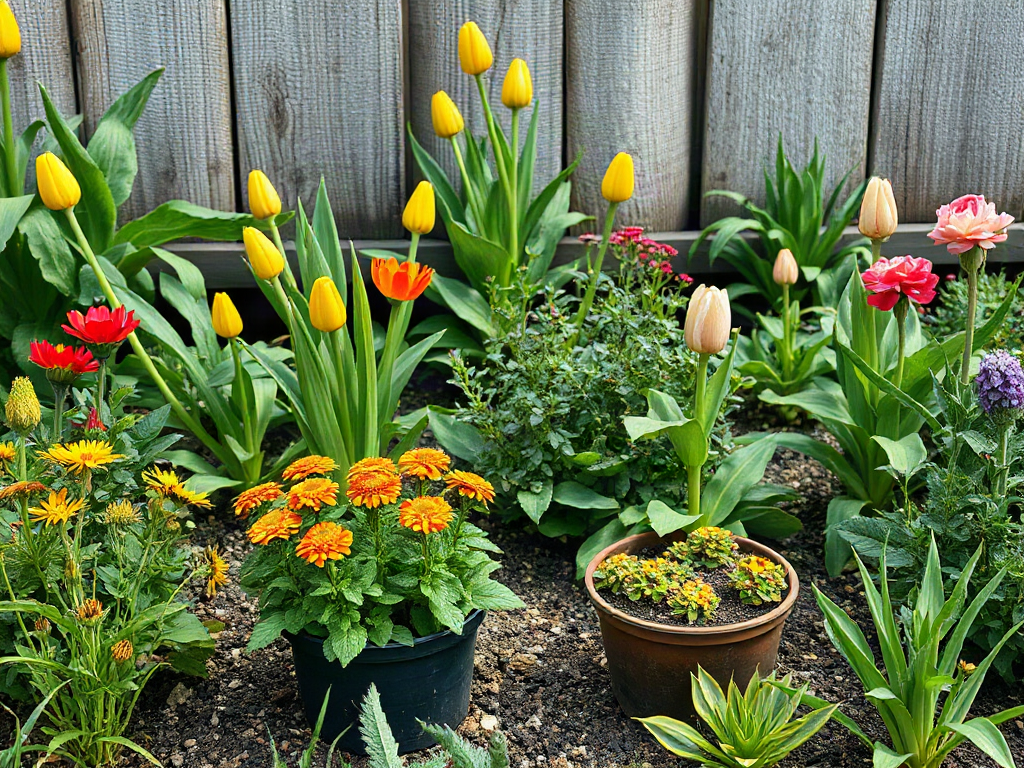
What is the 70/30 rule in gardening?
Learn how the 70/30 gardening rule balances 70% native plants with 30% non-native choices, plus practical ways to apply it organically at home.
Learn how the 70/30 gardening rule balances 70% native plants with 30% non-native choices, plus practical ways to apply it organically at home.
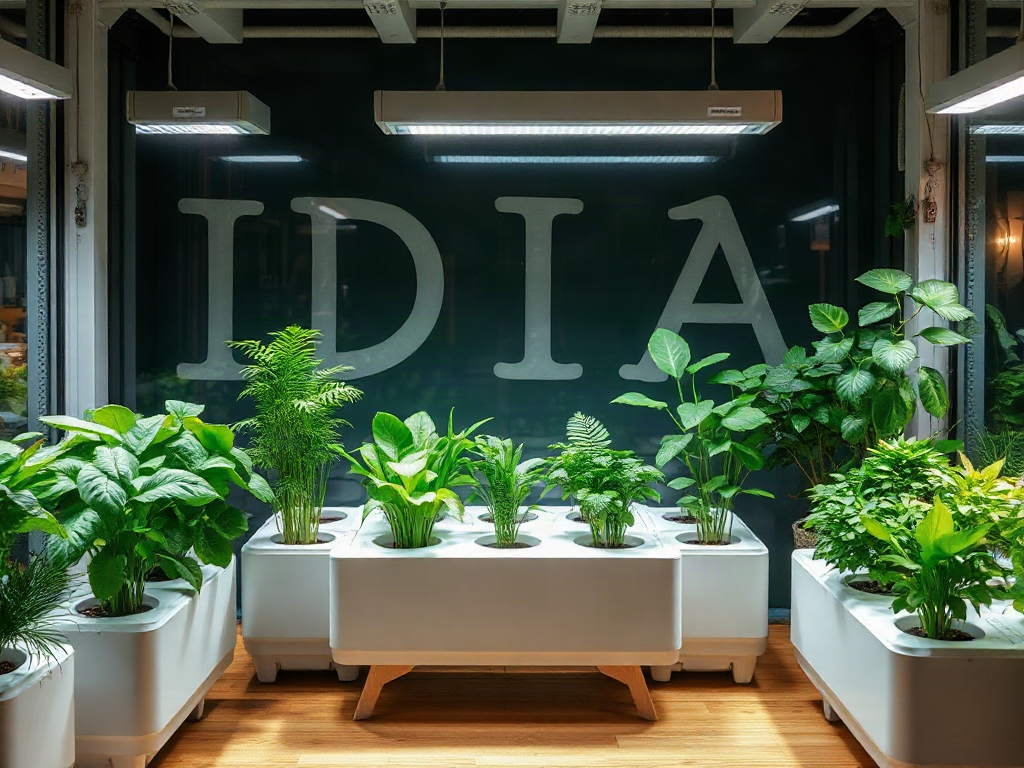
Compare countertop, DIY, and premium hydroponic gardens to find which indoor system offers the best value for your crops, space, and upkeep needs.
Build a simple hydroponic system with a tote, net pots, aeration, nutrients, and lights, then learn how to plant and maintain healthy greens.
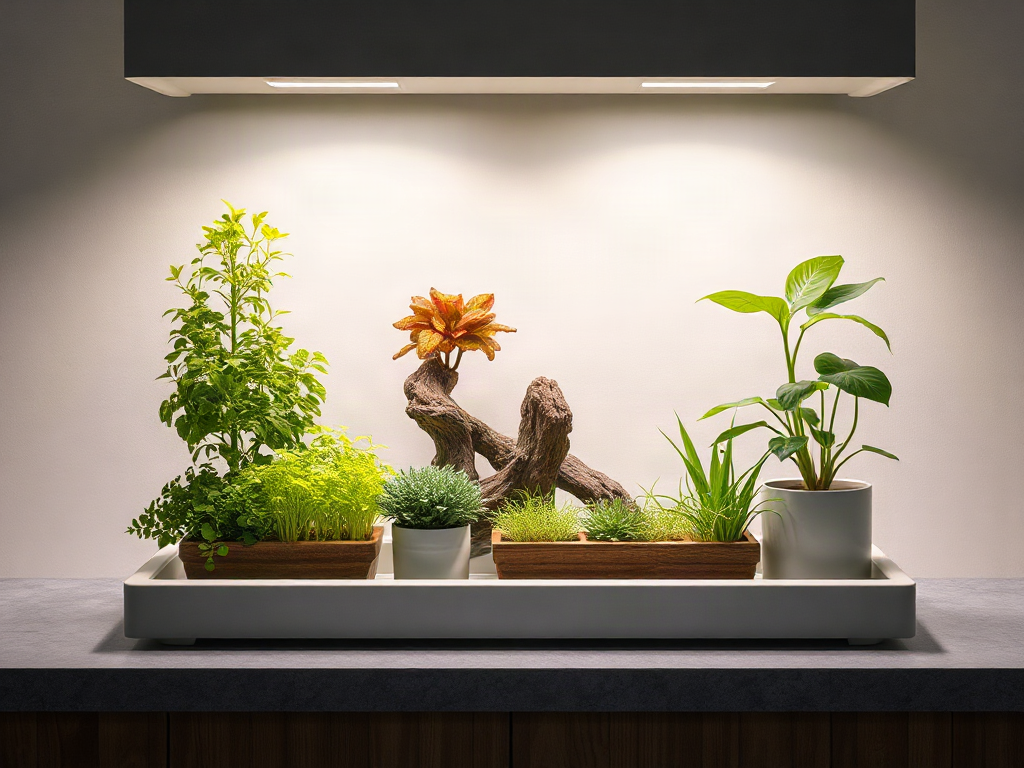
Compare countertop, premium, vertical, and container indoor gardens to find which system offers the best value for your crops, space, and routine.
Gardening improves when plant choice, soil, water, sunlight, and timing match your growing space.
Gardening improves when plant choice, soil, water, sunlight, and timing match your growing space.
Gardening improves when plant choice, soil, water, sunlight, and timing match your growing space.
The best chimney cap installer in your area is a qualified local chimney professional who inspects the flue and crown, measures the opening on site, recommends a cap suited to the venting system, and provides a written installation scope.
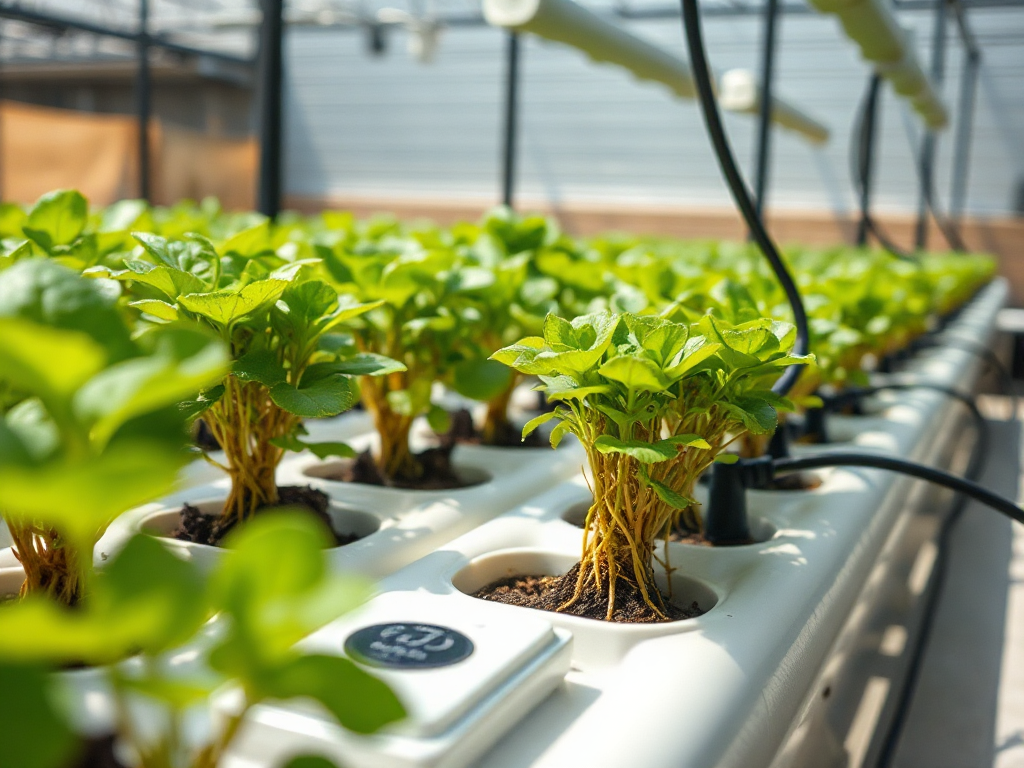
To avoid overwatering in hydroponics, manage how long roots remain submerged or saturated by matching water delivery to the crop, system design, and dissolved-oxygen needs. Check reservoir level, pump cycles, root color, and growing-media moisture rather than adding water on a fixed schedule.
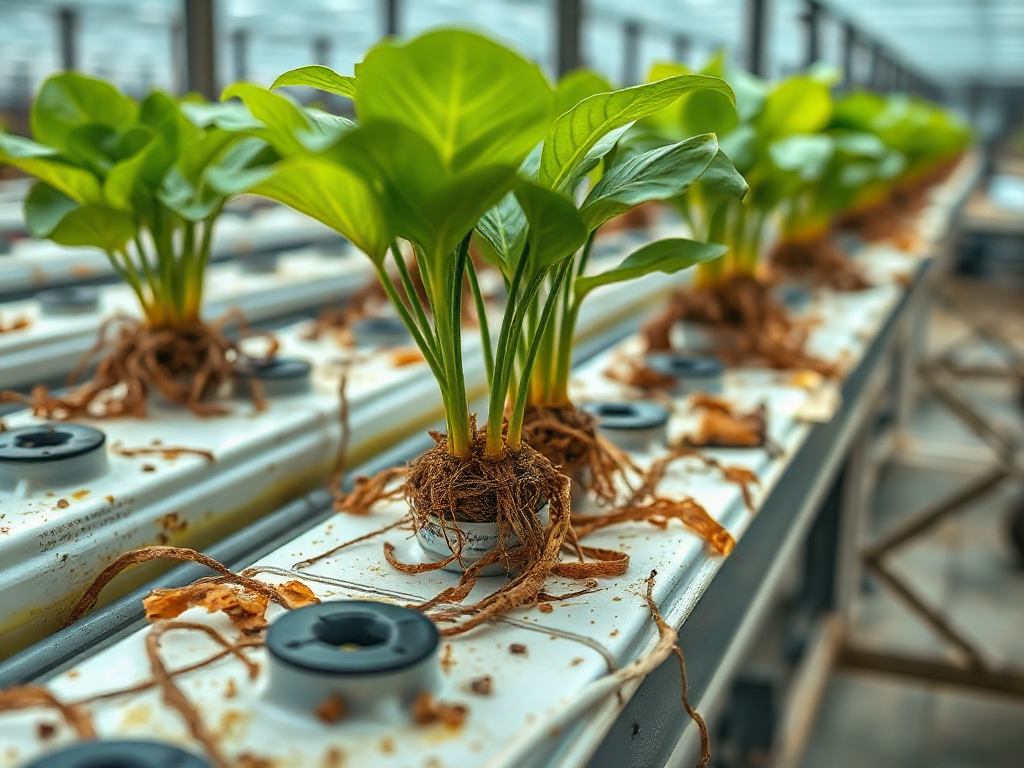
Your hydroponic system smells bad most often because oxygen-starved water, decaying roots, algae, or organic residue is allowing microbes to multiply around the reservoir and root zone. A sour, sewage-like, or rotten-egg odor points toward anaerobic conditions, while a musty smell may indicate algae or stagnant moisture.