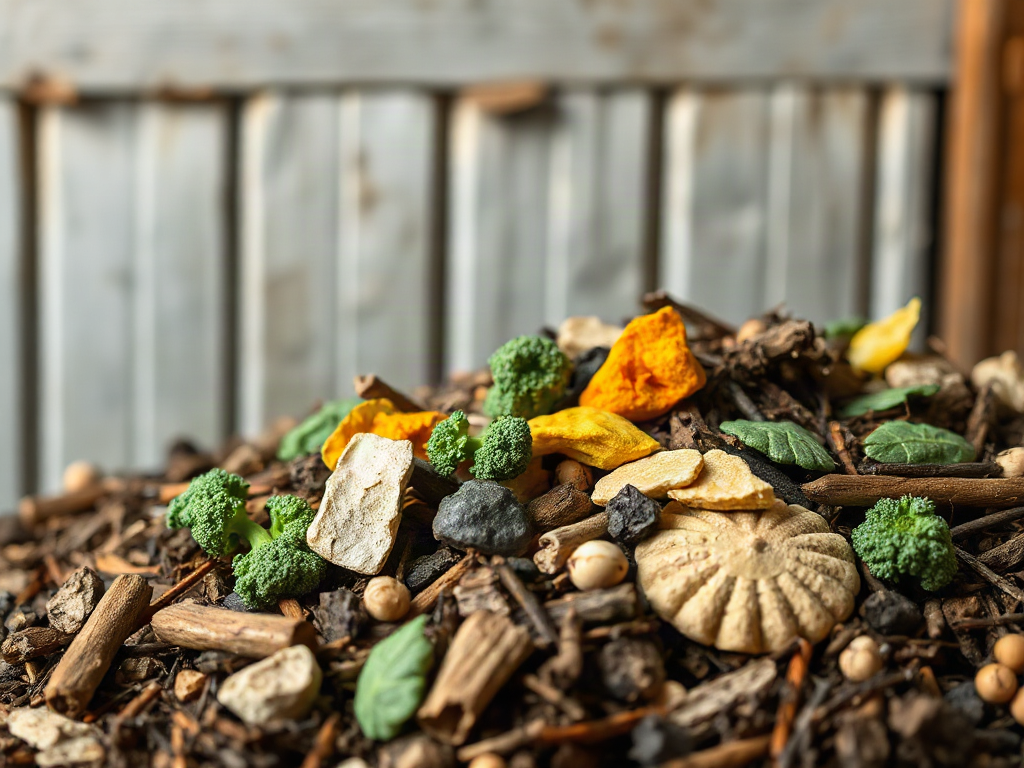
What Is Organic Garden Compost?
Learn what organic garden compost is, how clean greens and browns become a soil amendment, what belongs in a pile, and how to use it safely in beds.
Learn what organic garden compost is, how clean greens and browns become a soil amendment, what belongs in a pile, and how to use it safely in beds.
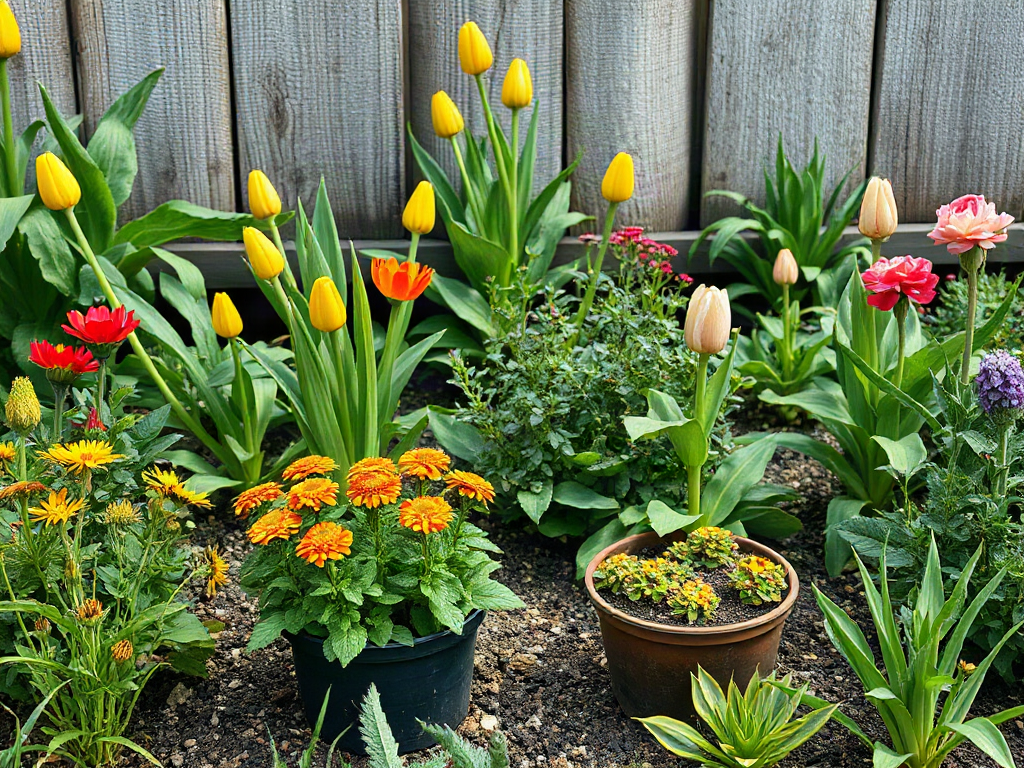
Learn how the 70/30 gardening rule balances 70% native plants with 30% non-native choices, plus practical ways to apply it organically at home.
Gardening improves when plant choice, soil, water, sunlight, and timing match your growing space.
Organic food is often considered better for you due to its lower pesticide residues and higher levels of certain nutrients.
Improve soil health naturally by adding organic matter such as compost, aged manure, or cover crops to increase nutrient content and soil structure.
Quick Summary: Start with healthy, organic soil by adding compost to improve fertility and drainage.
Common mistakes to avoid in organic gardening include overusing fertilizers, which can harm beneficial soil microbes; planting too densely, leading to po.
You can get help with organic gardening from local cooperative extension offices, which offer resources and expert advice.
Quick Summary: Effective organic pest control methods include introducing beneficial insects like ladybugs and predatory mites to naturally reduce pest
Main Guide: For the full authority page on Composting, see Ultimate Composting Guide. Key Takeaway: To compost effectively, balance green