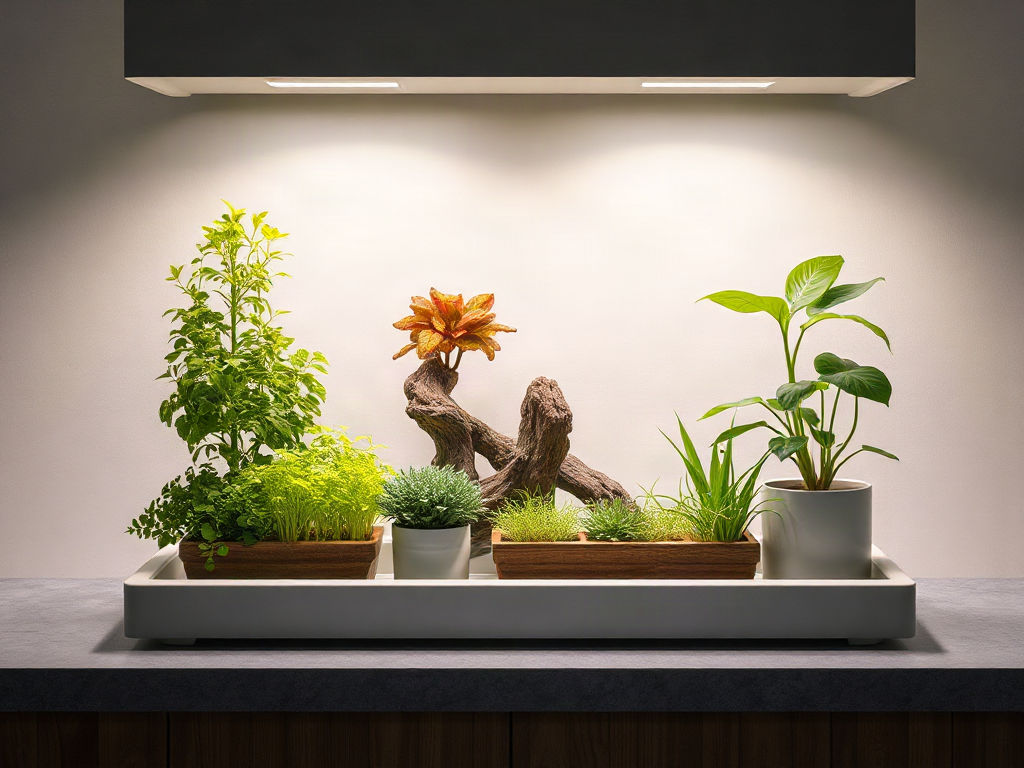
Quick Answer: For most households, a midrange countertop hydroponic system is worth the price if it has an adjustable LED, accessible reservoir, reusable grow baskets, and replaceable parts. Pay extra for automation only if reminders and guided dosing will keep you gardening; choose pots under a grow light instead for houseplants, seedlings, or larger fruiting crops.
Why This Happens: Indoor systems vary in value because crop size, lighting needs, ongoing supplies, and maintenance differ sharply. Small units suit herbs and leafy greens, whereas fruiting plants and large harvests require more height, light, power, and hands-on care than product capacity numbers suggest.
How To Fix It:
- List the herbs, greens, seedlings, or fruiting plants you will realistically grow and eat.
- Measure the available height, width, refill access, and tolerance for light spill or pump noise.
- Compare first-year costs, including nutrients, growing media, electricity, replacement parts, and subscriptions.
- Confirm that the pump, baskets, plugs, and nutrients are replaceable without buying an entirely new unit.
- Start below maximum pod capacity so mature plants have enough light and airflow.
The indoor gardening system worth the price for most people is a simple countertop hydroponic unit with an integrated LED light, a water-level indicator, and readily available replacement parts. It offers the best balance of reliable herb and lettuce production, manageable upkeep, and reasonable cost. Premium automated gardens can be worthwhile for someone who values appearance and convenience, while large vertical systems make sense only for households prepared to use a substantial harvest. A basic grow light and ordinary pots remain the better value for houseplants, fruiting crops, and gardeners who want control rather than automation.
Start with what you actually want to grow
Indoor garden systems are often compared as if they perform the same job, but their designs favor different crops. Small hydroponic units are particularly good for basil, parsley, dill, chives, mint, compact lettuces, and other leafy plants. These crops fit beneath a low light hood, tolerate frequent harvesting, and do not need pollination to produce the part you eat. A modest countertop garden can therefore supply useful handfuls of herbs without occupying much room.
Tomatoes, peppers, cucumbers, and strawberries present a harder test. They need more vertical space, stronger light, longer growing periods, and sometimes hand pollination or physical support. A tiny unit may keep a dwarf tomato alive, but that does not mean it will produce enough fruit to justify occupying one of only a few planting spaces for months. If fruiting plants are your priority, choose a tall, powerful system designed for them or use separate containers under a suitable grow light.
Also decide whether you want food production, seed-starting capacity, or attractive greenery. Seedlings need adjustable lighting and room for trays, while houseplants usually prefer individual pots that let you tailor soil and watering. People who are still choosing crops, tools, and a workable routine may benefit from this broader guide to starting a garden before buying specialized equipment.
The best-value choice for most kitchens
A midrange countertop hydroponic garden is the safest recommendation for a beginner who regularly cooks with fresh herbs or eats leafy greens. Look for a light that can rise as plants grow, a reservoir that is easy to lift or drain, clear low-water alerts, and a pump that can be cleaned or replaced. A manual light timer is enough; an app is convenient but should not be essential to basic operation.
Pod capacity can be misleading. Plants need space, so filling every opening may create crowding, weak airflow, and heavy competition for light. A six- or nine-opening garden often works better with fewer mature plants than its maximum advertised capacity. Leaving space between basil and lettuce can produce a more useful crop than planting every hole. Removable covers for unused openings are valuable because they limit light entering the reservoir and help discourage algae.
Before paying, check the ongoing supply model. The strongest value comes from a system that accepts reusable baskets or broadly available plugs, nutrients, and seed-starting material. Proprietary pods are simple, but dependence on one seller can raise long-term costs and restrict crop choice. Confirm that replacement pumps, baskets, light adapters, and reservoir parts are sold separately. A low purchase price is less appealing if one failed component makes the entire garden unusable.
When premium automation earns its price
High-end systems commonly add automatic nutrient dosing, larger water tanks, app controls, adjustable schedules, cameras, or furniture-like cabinets. These features do not automatically produce better herbs. Their value is mainly reduced decision-making, longer intervals between routine attention, and a polished appearance suitable for a visible living area. That may be worth paying for if convenience is the main barrier between you and regular gardening.
Automation still has limits. Plants require pruning, harvesting, occasional thinning, and inspection for pests or root problems. Reservoirs must be cleaned, nutrient deposits removed, and water replenished. Sensors can reduce guesswork, but they cannot untangle roots from a pump or prevent tall plants from shading short ones. An automated system should therefore be viewed as assisted gardening, not as a self-sustaining appliance.
A premium model is easiest to justify when several conditions apply: you will grow continuously, the system will remain in a prominent room, you prefer guided controls, and replacement supplies fit your budget. It is harder to justify for occasional use or a household that buys only a small amount of herbs. Before upgrading for a digital feature, ask whether that feature improves plant care or merely changes how you receive reminders.
Large vertical gardens need a realistic plan
Floor-standing and vertical hydroponic systems provide more planting positions and may grow a meaningful volume of greens. They also demand more floor space, water, cleaning, and crop planning. Their bright lights may be intrusive in a bedroom or living room, and pumps or fans can create noticeable background noise. Measure the full unit, including access needed to refill the tank and reach plants at the back or top.
These systems offer the best value to households that already consume greens frequently and are comfortable managing staggered planting. If every lettuce reaches harvest at once, the garden may alternate between surplus and empty spaces. Starting a few plants at regular intervals creates a steadier supply. Large systems also require prompt harvesting because overcrowded plants block light and airflow.
Operating expenses deserve attention. Compare rated light power, daily lighting hours, nutrients, replacement growing media, and any required subscription. Exact electricity cost depends on local rates and the unit’s settings, but a larger lamp running many hours each day should be treated as a continuing expense. Anyone encountering cloudy water, algae, weak roots, or pump trouble can use this guide to hydroponic troubleshooting rather than immediately replacing the system.
When pots and a grow light are the smarter buy
A shelf, timer, LED grow light, and ordinary containers usually provide the most growing area per dollar. This arrangement accepts many pot sizes and lets each plant have an appropriate soil mix. It is better suited to houseplants, seed trays, microgreens, and larger food plants that do not fit beneath a countertop hood. Individual containers also make it easier to isolate a pest or remove one struggling plant.
The tradeoff is more responsibility. You must judge watering, arrange the light at a useful height, protect surfaces from drainage, and supply suitable fertilizer. The setup may look less refined, and poorly positioned lights can spill glare into the room. However, standard components are generally easier to replace than parts made for one enclosed system. If you enjoy adjusting conditions and learning plant needs, flexibility often has more lasting value than automation.
There is also a low-cost way to test your interest before committing to hydroponics: grow mint, chives, or leafy greens in containers under a timed light. This reveals whether you enjoy harvesting, pruning, and checking plants each week. For advice on selecting pots, drainage, and appropriate plants, see these container gardening help sources.
How to judge whether any system is worth it
Do not evaluate an indoor garden only by comparing its purchase price with supermarket produce. It may not repay its cost through harvests, especially if you choose inexpensive crops or stop using it after one season. Value can also come from having herbs within reach, reducing forgotten produce, growing varieties that are difficult to buy locally, or enjoying a compact gardening routine. Those benefits are real, but they are personal rather than guaranteed savings.
Calculate the first year rather than the price on the box. Include the unit, seeds or pods, nutrients, growing media, electricity, replacement pieces, and any optional subscription. Then consider usable capacity rather than the number of holes. Estimate how many mature plants fit without severe crowding and whether your household will actually eat their harvest. A system with fewer productive positions can be a better purchase than a crowded model with a larger advertised capacity.
Finally, inspect practical details before ordering: maximum light height, reservoir access, timer controls, cleaning instructions, warranty terms, noise, and the availability of consumables. For most first-time buyers, a serviceable midrange countertop hydroponic garden wins. Choose a premium automated system for convenience and design, a vertical unit for committed high-volume growing, or pots and a grow light for maximum flexibility. The right price is the lowest total cost that supports the crops and routine you will realistically maintain.
Popular Questions
Are proprietary seed pods a deal breaker?
Not necessarily. Proprietary pods can make the first planting simple, but they may cost more and limit seed choices. Check whether the baskets can be reused and whether compatible plugs, nutrients, and replacement parts are widely available. A closed supply system is most acceptable when you value convenience and are comfortable with its continuing cost.
Can a countertop unit grow tomatoes successfully?
It can grow a compact tomato variety if the light rises high enough and provides adequate intensity. You may also need to prune, support stems, and hand-pollinate flowers. Because one tomato can occupy several planting positions for months, herbs and leafy greens usually deliver more useful harvests from a small countertop system.
How much maintenance does an automated garden require?
Automation can schedule lights, issue water reminders, or dispense nutrients, but it does not eliminate plant care. You still need to harvest and prune plants, inspect roots, manage crowding, refill water, and clean the reservoir and pump. Expect regular brief checks plus a more thorough cleaning between plantings.
Is a vertical indoor garden economical for one person?
Usually only if that person eats greens frequently, grows continuously, and has room for the unit. Vertical gardens carry higher purchase, lighting, nutrient, and cleaning demands than countertop models. A smaller garden or a shelf with containers is typically a safer value unless there is a clear plan for staggered planting and using the harvest.