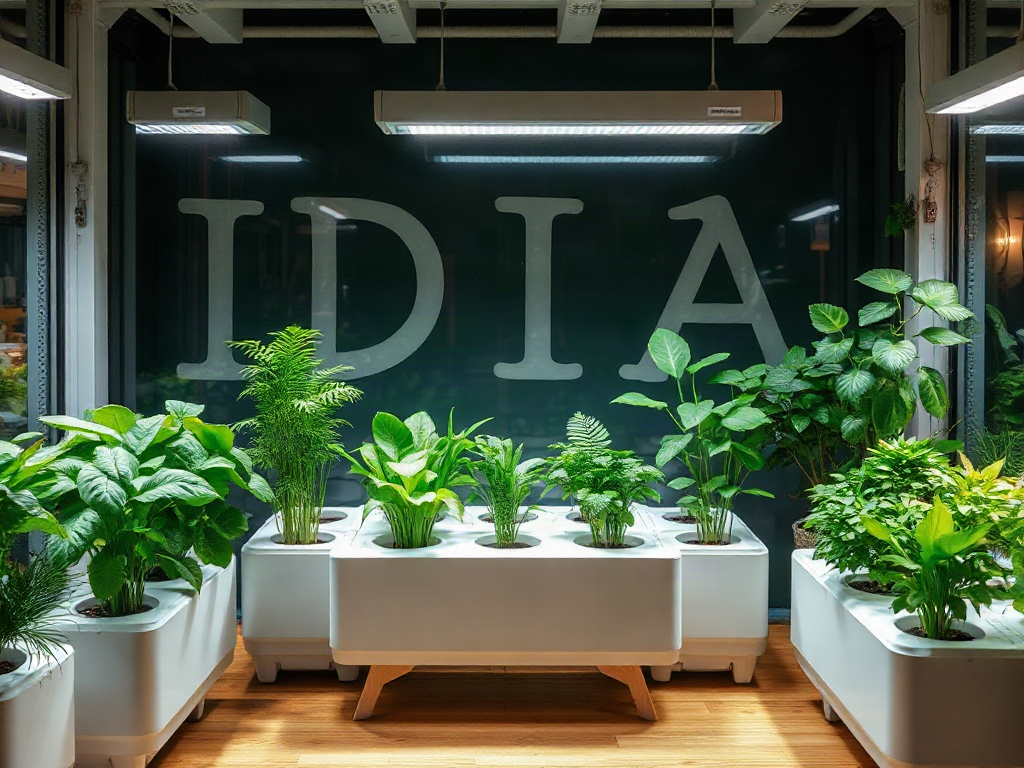
Quick Answer: For most beginners, a mid-priced countertop hydroponic garden with six to twelve planting sites, an adjustable LED light, an accessible reservoir, and replaceable parts is worth the price. Choose DIY for lower cost and customization, or pay for a large premium system only if you will use its capacity and accept the additional cleaning, pruning, and supply costs.
Why This Happens: Indoor systems vary widely because their prices reflect capacity, lighting, automation, appearance, and proprietary accessories—not just growing performance. Practical value depends on mature plant space, crop type, repairability, and ongoing maintenance, so either the cheapest or most feature-heavy model can cost more than it initially appears.
How To Fix It:
- List the herbs, greens, or fruiting plants you intend to grow and estimate their mature size.
- Measure the available width and height, check outlet access, and choose a location where light, pump noise, and minor spills are acceptable.
- Compare usable mature-plant capacity, light coverage, reservoir access, and replacement-part availability rather than advertised pod count alone.
- Add recurring costs for nutrients, grow plugs, testing supplies, electricity, and proprietary refills before setting a budget.
- Select the smallest reliable system that meets your crop needs and commit to regular refilling, pruning, inspection, and cleaning.
The indoor gardening system worth the price for most people is a compact, countertop hydroponic unit with an integrated LED light, adjustable light height, replaceable pump, and room for roughly six to twelve plants. It offers the best balance of reliable growth, manageable upkeep, and convenience without charging for capacity that a typical household will not use. A basic do-it-yourself system costs less and can be equally productive, while a large automated garden is worth its premium only when its planting capacity, appearance, or advanced controls will be used consistently.
Choose value based on what you want to harvest
Price alone does not determine value. A low-cost unit is wasteful if its weak light produces disappointing plants, but an expensive model is also poor value if half its growing spaces remain empty. Start by naming the harvest you want. Countertop systems are particularly well suited to basil, parsley, cilantro, dill, mint, compact lettuce, and other leafy greens. These crops stay relatively small, tolerate repeated harvesting, and do not need the root space required by larger fruiting plants.
If you mainly want fresh herbs for cooking, a six-pod unit may be enough. It can keep several useful varieties close to the kitchen while limiting water changes and nutrient use. For salads, choose a wider system with enough clearance between plants. Six mature lettuce plants can occupy far more room than six newly planted pods, so advertised pod count should not be treated as realistic mature-plant capacity.
Tomatoes, peppers, cucumbers, and other fruiting crops change the calculation. They need stronger lighting, greater vertical clearance, physical support, and often hand pollination indoors. A small countertop garden may start them successfully but become cramped before they deliver a worthwhile harvest. For these crops, a tall floor-standing unit or a separate hydroponic setup under a suitable grow light is usually the more practical investment.
The mid-priced countertop system is the best general choice
For a beginner who values convenience, the sweet spot is a simple recirculating countertop garden rather than the cheapest novelty planter or the most elaborate connected appliance. Look for an LED panel that covers the entire planting deck, a light post that rises high enough for mature herbs and greens, and a reservoir that can be removed or accessed easily. Water-level visibility, a dependable timer, and readily available replacement grow baskets also matter more than decorative finishes.
Useful automation should remove routine work without locking the owner into a costly ecosystem. An automatic light cycle is genuinely valuable because plants receive consistent illumination without daily attention. A low-water alert is helpful, especially once mature plants begin drinking quickly. By contrast, a phone application, recipe library, camera, or subscription seed service may add little to plant health. Pay extra for better lighting, usable growing height, quiet operation, and serviceable parts before paying for connectivity.
A medium countertop unit also limits the consequences of beginner mistakes. Its reservoir is large enough to reduce sudden swings but small enough to empty and clean in a sink. The pump and planting deck are generally easy to inspect. If you are unsure whether the routine will fit your life, this format provides a realistic introduction to hydroponic gardening without dedicating a room or a large budget to it.
When a cheaper DIY system is the better buy
A homemade setup is worth the price when budget, repairability, and customization matter more than polished appearance. A reservoir, net cups, growing medium, nutrients, an air pump or water pump, and a separate grow light can produce healthy plants without a branded appliance. The savings are greatest when you already own a suitable light or want more planting space than a countertop unit offers.
DIY is not automatically inexpensive, however. Include the light, timer, pump, tubing, testing supplies, nutrients, support structure, and replacement parts when comparing costs. A bare container may look cheap until all necessary components are added. You must also prevent light from entering the reservoir, provide oxygen to roots, keep electrical connections away from water, and choose materials that can be cleaned. Anyone interested in this route can begin with a simple hydroponic system rather than attempting an elaborate multi-level installation.
The main advantage is control. Standard pumps, air stones, and containers can usually be replaced independently, while a proprietary garden may depend on model-specific parts. A DIY design can also be sized around the plants. A shallow leafy-green garden and a deep container for peppers do not need to share the same dimensions. The tradeoff is that you become responsible for selecting compatible equipment, setting the light schedule, and diagnosing flow or aeration problems.
When premium and large systems justify their cost
A premium floor-standing indoor garden can be worthwhile for someone who regularly buys large amounts of herbs and greens, wants a highly visible piece of furniture, and will keep most planting sites occupied. Its larger reservoir may require less frequent topping up than several small gardens, and its lighting can cover a broader canopy. Greater height also gives plants more room than a typical countertop model.
The purchase becomes harder to justify when capacity is valued only in theory. A garden advertised with dozens of planting sites can demand frequent pruning, seedling replacement, reservoir cleaning, and nutrient management. Mature plants may shade one another long before every opening is productively occupied. Larger reservoirs are heavy when full, and fixed structures may be awkward to move or clean. Before buying, identify where the unit will stand, how you will reach its reservoir, and whether spilled water could damage nearby flooring or furniture.
Premium automation also has limits. Sensors and reminders cannot remove dead roots, trim crowded foliage, clean mineral deposits, or correct every nutrient problem. Proprietary pods and nutrient packs may simplify setup, but their ongoing cost can turn a convenient appliance into an expensive way to grow common herbs. Check whether the garden accepts standard net cups, loose seeds, and alternative nutrients. Also confirm that pumps, light components, and power adapters can be purchased separately. A longer feature list is less useful than a system that remains repairable after routine wear.
Compare the full cost, not just the box price
The true price includes supplies and the time needed to operate the garden. Recurring items may include seeds, growing plugs, nutrient concentrate, pH testing materials, replacement pumps, and electricity for the light. Some plants must be restarted regularly, while long-lived herbs need pruning and root control. None of these costs necessarily makes hydroponic gardening a bad value, but they should be part of the decision rather than an afterthought.
Evaluate cleaning before purchasing. The planting deck should lift out without requiring extensive disassembly, and the reservoir should have few inaccessible corners. Roots can enter pump housings and tubing, while nutrient residue can accumulate around openings. A difficult-to-clean garden is more likely to be neglected, regardless of how advanced it appears. Odor, discolored roots, or persistent residue deserve attention; a guide to why a hydroponic system smells bad can help distinguish routine cleaning needs from stagnant water and root trouble.
Plant density is another hidden cost. If a model has twelve openings but comfortably supports only six mature plants, calculate value using six. Examine light coverage at the edges, vertical adjustment, reservoir volume, and spacing between openings. For a fair comparison, divide the complete setup cost by the number of mature plants it can realistically maintain—not by the largest number printed on the packaging.
Use a practical buying checklist
First, match the system to a specific crop list and location. Measure counter width, overhead clearance, and access to an electrical outlet. Bright grow lights may be distracting in a bedroom or living area, and pumps that seem quiet in a store can be noticeable at night. Place the garden where a small spill can be managed and where refilling the reservoir will not require moving the entire unit.
Second, prioritize four features: adequate light, enough vertical adjustment, easy reservoir access, and replaceable working parts. Then inspect the warranty and availability of consumables. A lower-priced model with standard baskets and a replaceable pump may be a better long-term purchase than a sleek system tied to unique pods and unavailable components.
Finally, be honest about maintenance. Expect to top up water, add nutrients correctly, prune roots and leaves, remove failed seedlings, and clean the reservoir between crops. Watch for reduced flow, unusual pump noise, algae, mineral buildup, and tangled roots. These are among the signs a system needs maintenance, not evidence that all indoor gardens are defective.
For most homes, a serviceable six- to twelve-site countertop hydroponic garden is the strongest value because it makes consistent lighting and circulation easy without creating an oversized maintenance job. Choose DIY when you welcome hands-on setup and want maximum capacity per dollar. Choose a premium floor system only when you have the space, crop demand, and commitment to use its added capacity. The system worth buying is the smallest reliable one that can support your intended mature plants and that you will clean, refill, and replant consistently.
Popular Questions
Are seed-pod subscriptions necessary for a countertop garden?
No. Many systems can use reusable baskets, compatible growing plugs, loose seeds, and separately purchased hydroponic nutrients. Before buying, confirm the basket dimensions and whether the warranty requires branded supplies. A subscription may be convenient, but it reduces flexibility and can raise the cost of each planting cycle without improving the system’s light or circulation.
Can a small countertop unit grow tomatoes or peppers?
It can grow compact varieties, but available height, light strength, root volume, and branch support are common limits. Fruiting plants may occupy several planting positions and require hand pollination and frequent pruning. If tomatoes or peppers are the main goal, choose a taller unit designed for them or build a larger setup with an appropriate grow light.
How important is advertised pod capacity?
Pod count is less important than realistic spacing for mature plants. Twelve seedlings may fit initially, yet broad lettuce heads or bushy herbs can shade one another as they grow. Compare deck dimensions, opening spacing, light coverage, and vertical clearance, then estimate how many mature plants the garden can support without severe crowding.
What features are worth paying extra for?
Better light coverage, greater height adjustment, a visible water level, quiet operation, easy reservoir access, and replaceable pumps or adapters are generally worthwhile. Automatic light timing and low-water alerts also reduce routine mistakes. Decorative finishes, cameras, phone controls, and proprietary seed services are optional conveniences rather than requirements for healthy hydroponic plants.