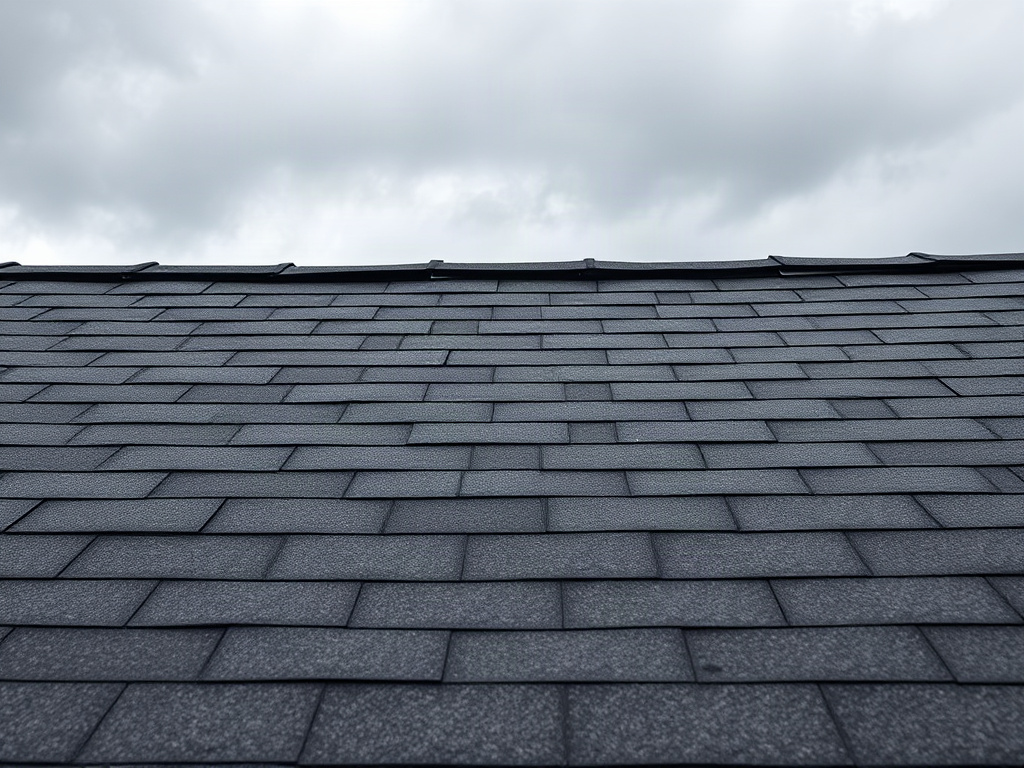
Missing roof shingles before the next storm leave the underlayment and surrounding shingle edges more vulnerable to wind-driven rain, lifting, and water intrusion. Inspect the damage safely from the ground or attic, photograph the affected area, and arrange a prompt repair by a qualified roofing contractor. A roofer should replace lost shingles, check exposed fasteners and underlayment, and secure nearby tabs that have loosened. Do not climb onto a wet, steep, icy, or storm-exposed roof; temporary covering is safer when installed by someone with suitable access equipment.
What you’ll learn
This guide covers the following practical points:
- Assess the Damage Without an Unsafe Climb — A ground-level survey can reveal enough information to set the right priority without exposing anyone to a fall.
- Protect the Home Before Rain Arrives — Interior protection should focus on the rooms below the damaged roof plane.
- Choose Between Temporary Protection and Permanent Repair — A permanent repair replaces missing material and addresses the reason the shingles detached.
- Prepare for the Roofing Contractor — A useful service request gives the contractor specific conditions rather than only stating that shingles are gone.
Assess the Damage Without an Unsafe Climb
A ground-level survey can reveal enough information to set the right priority without exposing anyone to a fall. Use binoculars or a camera with zoom to examine the roof from several sides. Look for bare rectangular areas, dark underlayment, exposed nail heads, folded tabs, uneven shingle edges, and pieces collected near downspouts or in the yard.
The number of missing shingles does not tell the whole story. One lost shingle over intact underlayment may not produce an immediate leak, while a small opening near a valley, plumbing vent, chimney, skylight, or roof-to-wall junction can admit substantial wind-driven rain. Damage close to the ridge or roof edge also deserves prompt attention because those areas receive strong wind pressure.
Check the attic during daylight if it can be entered safely. Pinpoints of visible light, damp decking, darkened wood, wet insulation, or rusty nail tips can indicate an opening or previous moisture. A dry attic is encouraging, but it does not prove the roof will remain watertight during a storm from a different wind direction.
A common mistake is walking onto the roof to retrieve loose material or press lifted tabs down. Aging shingles may crack underfoot, and wind can make an otherwise manageable slope hazardous. Keep people on the ground unless they have suitable training, fall protection, and stable access.
Protect the Home Before Rain Arrives
Interior protection should focus on the rooms below the damaged roof plane. Move electronics, furniture, documents, and absorbent materials away from the likely drip path. Place a sturdy container beneath an active leak, but remember that water may travel along rafters or the top of the ceiling before it becomes visible.
If the ceiling begins to bulge, keep people away from the area because saturated drywall can release water or collapse. Do not touch wet light fixtures, wiring, or electrical panels. Shut off the affected circuit only if that can be done from a dry, safe location; uncertain electrical conditions call for professional help.
Outside, secure patio furniture, ladders, loose branches, and debris that could become airborne. Clean visible ground-level drainage obstructions where this can be done without climbing. Avoid leaning a ladder against gutters during rising winds, rain, or lightning.
Photograph the roof from safe viewpoints and record interior staining before moving belongings or beginning cleanup. Include wide images showing location and close views showing condition. Save any shingles found on the ground without assuming they can be reused; brittle, torn, or creased pieces rarely make dependable repairs.
Choose Between Temporary Protection and Permanent Repair
A permanent repair replaces missing material and addresses the reason the shingles detached. The roofer typically examines the exposed underlayment, decking, nail placement, seal strips, and adjacent courses before installing compatible replacements. Simply sliding a new tab into the opening may leave damaged fasteners, torn felt, or loosened surrounding shingles unresolved.
| Condition | Practical Response | Main Limitation |
|---|---|---|
| Small isolated loss with sound surrounding shingles | Prompt replacement of affected shingles | Color matching may be imperfect |
| Rain is near and repair cannot be completed | Professionally installed temporary covering | Not a substitute for permanent repair |
| Broad lifting, brittle tabs, or repeated losses | Evaluate the larger roof area | Spot repairs may not hold if the field is deteriorated |
| Soft decking or damaged flashing | Open and repair the affected assembly | Scope may expand after shingles are removed |
A roof tarp can reduce exposure when correctly sized, anchored, and extended beyond the damaged area. Improvised tarps tied to gutters, weighted with loose objects, or fastened only around the visible opening can tear free and create additional hazards. Roof cement is equally easy to misuse: heavy surface smearing can trap water, complicate later work, and fail to restore the shingle system.
Matching replacement shingles also requires judgment. Similar color alone does not establish compatible dimensions, exposure, thickness, or fastening location. If the remaining roof is brittle, lifting courses to insert replacements may break additional tabs. In that situation, the contractor should explain whether a localized repair remains reasonable or whether a broader section needs attention.
Prepare for the Roofing Contractor
A useful service request gives the contractor specific conditions rather than only stating that shingles are gone. Report the approximate location, when the loss was noticed, whether pieces were found on the ground, the roof’s estimated age if known, any attic moisture, and the timing of forecast weather. Send photographs taken from safe positions.
Ask the contractor to inspect more than the empty patches. Nearby creased tabs, raised fasteners, torn underlayment, damaged flashing, and soft decking can change the repair scope. Request a written description that distinguishes temporary weather protection from permanent work and identifies which materials will be replaced.
Before work starts, clarify whether the contractor will photograph concealed damage after lifting the surrounding shingles. Also ask how the repair will be integrated with the existing courses and what happens if brittle material breaks during access. A low estimate based only on the visible shingle count may omit the conditions that determine whether the repair remains secure.
Do not wait for active rain to begin making calls. Contractor availability often narrows as severe weather approaches, and exterior work may need to stop once wind, lightning, or wet surfaces make access unsafe. If permanent repair cannot be scheduled in time, request a clearly defined temporary stabilization plan and a follow-up date for completion.
Frequently Asked Questions
Will one missing shingle cause a leak?
Not necessarily, because intact underlayment may shed some water. Leakage risk rises when the underlayment is torn, fasteners are exposed, or the opening is near flashing, a valley, or another water-concentrating detail.
Can I wait until after the storm to repair missing shingles?
Waiting increases exposure to wind-driven rain and may allow adjacent tabs to lift. Arrange permanent repair promptly or ask a qualified roofer about temporary protection if safe completion is not possible before the storm.
Should I nail a tarp over the damaged area myself?
Roof access during approaching weather can be more dangerous than the damage itself. Poorly placed fasteners may create new leaks, while an inadequately anchored tarp can tear loose. Professional installation is the safer option.
Can shingles found in the yard be reattached?
Usually not reliably. Detached shingles may have torn nail slots, fractured mats, damaged seal strips, or creases that prevent a durable repair. Save them for identification, but expect compatible new material to be used.
Does an interior leak mean the roof decking is ruined?
No. A brief leak does not automatically mean structural replacement is required, but wet, swollen, delaminated, or soft decking needs direct evaluation after the covering is opened.
Conclusion
Keep the response centered on safety, weather exposure, and the condition hidden beneath the missing shingles. Document the loss from the ground, protect rooms below the affected slope, and contact a roofer before conditions deteriorate. The repair should address exposed underlayment, fasteners, nearby loose tabs, and vulnerable roof details—not merely cover the visible gap. If permanent work cannot be completed safely, use professionally installed temporary protection with a firm plan for follow-up repair.