At a Glance
Heavy rain exposes openings that may remain dry during a brief shower. Sustained water can overwhelm a marginal flashing detail, while wind pushes rain sideways beneath shingle edges, siding joints, vents, and counterflashing. A clogged drainage path can also hold water against places designed to shed it quickly rather than resist prolonged immersion.
What you’ll learn
- Why Heavy Rain Reveals Roof Leaks: Heavy rain exposes openings that may remain dry during a brief shower. Sustained water can overwhelm a marginal flashing detail, while wind pushes rain sideways beneath shingle edges, siding joints, vents, and counterflashing. A clogged drainage path can…
- Most Likely Water Entry Points: Flashing transitions deserve priority because they join roof surfaces to chimneys, walls, skylights, dormers, and changes in slope. Step flashing can leak when pieces are missing, improperly overlapped, or separated from adjacent siding. Chimney leaks may involve apron…
- How to Trace the Leak Without Misreading the Stain: Begin indoors while preserving evidence from the storm. Mark the outer edge of the ceiling stain lightly with a pencil, note when dripping began, and record wind direction if known. Photographs of the stain, attic conditions, and exterior…
Considering roof leak detection and repair in knoxville? Omega1Roofing provides Roof leak detection and repair in this approved service area.
Your service and local coverage
Omega1Roofing offers Roof leak detection and repair. Contact Omega1Roofing to discuss the work required at your property and request an estimate.
Client-approved roofing materials and systems: Asphalt shingles, Metal roofing, Standing-seam metal, Flat or low-slope systems, TPO membrane, PVC membrane, Roof coatings, Clay or concrete tile, Cedar shake. Discuss suitability and the requested scope with the business.
Service limitations: Travel radius supplied by client: Not specified.
Cross-state service: No.
Helpful information for planning the work
Why Heavy Rain Reveals Roof Leaks
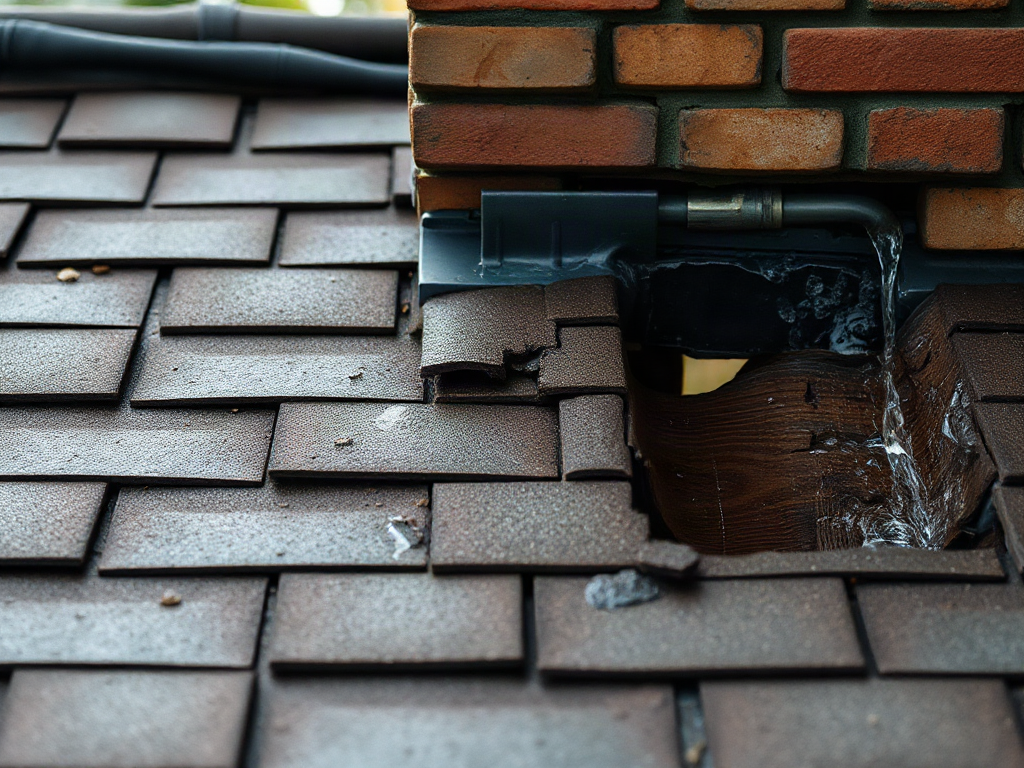
Heavy rain exposes openings that may remain dry during a brief shower. Sustained water can overwhelm a marginal flashing detail, while wind pushes rain sideways beneath shingle edges, siding joints, vents, and counterflashing. A clogged drainage path can also hold water against places designed to shed it quickly rather than resist prolonged immersion.
The ceiling mark is usually the end of the water’s route, not its beginning. After entering above, moisture may follow roof decking, a rafter, a pipe, or the top of an insulation batt. It can then appear several feet away or one story below the defect. A stain near a chimney, for example, may come from uphill flashing rather than the chimney face directly above it.
Timing provides useful evidence. Leakage that begins only after hours of rain may point to saturation, backed-up drainage, or a small opening with a slow water path. A drip that starts immediately during wind from one direction more strongly suggests an exposed seam, lifted edge, wall intersection, or penetration on that side. Do not assume every wet ceiling is a roofing failure, however; plumbing leaks and attic condensation can produce similar marks.
Most Likely Water Entry Points
Flashing transitions deserve priority because they join roof surfaces to chimneys, walls, skylights, dormers, and changes in slope. Step flashing can leak when pieces are missing, improperly overlapped, or separated from adjacent siding. Chimney leaks may involve apron flashing, side flashing, counterflashing, cracked masonry joints, or the chimney cap, and sealing the visible edge alone may only hide the underlying defect.
Penetrations are another frequent source. Plumbing vent boots can split with age, metal collars can corrode, and exposed fasteners can loosen. Roof vents, satellite-mount holes, and skylights may leak where their flashing systems meet the roofing. Caulk is not a durable substitute for correctly layered flashing; a thick bead can temporarily divert water while trapping it behind the assembly.
Also examine the routes that concentrate runoff:
- Valleys: debris, damaged lining, poor shingle cuts, or misplaced fasteners can admit concentrated flow.
- Roof edges: missing drip edge, deteriorated underlayment, and loose starter shingles can allow wind-driven rain beneath the covering.
- Field shingles: creases, punctures, exposed nail heads, missing tabs, and failed repairs create localized openings.
- Low-slope areas: standing water and unsuitable materials increase the chance of water moving through seams.
Overflowing gutters can wet fascia and soffits, but they do not automatically prove that the gutter caused an interior leak. Look for a continuous moisture path before paying for a repair based only on proximity. Likewise, replacing a visibly damaged shingle may not resolve water entering through flashing several courses uphill.
How to Trace the Leak Without Misreading the Stain
Begin indoors while preserving evidence from the storm. Mark the outer edge of the ceiling stain lightly with a pencil, note when dripping began, and record wind direction if known. Photographs of the stain, attic conditions, and exterior elevations can help distinguish new spread from old discoloration during the next rainfall.
If the attic is safely accessible, use a bright flashlight and remain on structural framing or a proper walkway. Search above and uphill from the interior mark for damp insulation, shiny nail tips, darkened decking, mineral deposits, or narrow tracks on rafters. Wet insulation may need to be moved for inspection, but avoid disturbing electrical components and do not step between ceiling joists. A bulging ceiling can release water and material without warning, so keep people and belongings clear of the area.
Exterior observations should be made from the ground, a window, or with binoculars until the surface is completely dry. Note missing shingles, bent flashing, debris-filled valleys, displaced ridge caps, overflowing gutters, and seal failures around penetrations. Walking on a wet, steep, brittle, or storm-damaged roof creates a greater hazard and may cause additional damage.
Controlled hose testing may help a roofer isolate a stubborn leak after the roof dries. Water is applied to one small area at a time, beginning low and progressing upward while another person watches inside. Spraying the entire roof at once produces little diagnostic value, and testing is inappropriate where electrical exposure, unsafe access, or active structural damage is present.
Read the full guide: Roof Leak After Heavy Rain: Likely Entry Points to Check
Discuss your property and next steps
Omega1Roofing — Omega1Roofing offers the client-selected services within the approved service areas listed in this profile.
Local questions
Does Omega1Roofing offer Roof leak detection and repair in knoxville?
Yes. This service and city are included in the business’s approved coverage.
How can I discuss an estimate?
Use the estimate link above or call 865-257-7887. Share your address and the work you need. The team can confirm the service scope and next steps for your property.
Business-supplied service information
Services and coverage were supplied by Omega1Roofing. Contact the business to confirm the scope and availability for your property.