Understanding the types of emergencies that could occur in your area—such as natural disasters, fire, or power outages—is critical. Create a communication strategy for your household, designating meeting points and ensuring all members know how to respond. Additionally, inventory your supplies, identifying what you need based on your emergency plan. Common mistakes include underestimating the importance of local hazards and not involving all household members in the planning process, which can lead to confusion during an actual emergency.
Renters often mistakenly believe they are not responsible for emergency preparedness because they do not own the property. However, being proactive can significantly enhance your safety and well-being. Familiarize yourself with your rental agreement to understand your rights and responsibilities in emergencies. This knowledge can guide your actions and ensure you have the necessary permissions for modifications, such as installing smoke detectors or securing heavy furniture.
Understanding Your Rental Agreement
Awareness of your rental agreement is essential when preparing for emergencies. Most agreements outline the landlord’s and tenant’s responsibilities regarding safety measures and emergency protocols. This includes provisions for repairs, maintaining smoke and carbon monoxide detectors, and access to emergency services.
Start by reviewing your lease to identify specific clauses related to safety and emergency preparedness. For instance, some leases may require landlords to provide fire extinguishers or emergency exits, while others might place the onus on tenants to install additional safety measures. Understanding these responsibilities helps prioritize what you need to address in your emergency plan, avoiding conflicts with your landlord later.
A common oversight is assuming that landlords will handle all emergency preparedness. while they are responsible for major structural issues, tenants still need to take initiative in personal safety measures. For instance, if your lease doesn’t specify that smoke detectors are provided, it’s wise to invest in your own. Document any safety concerns or needed repairs and communicate them with your landlord to ensure that both parties understand their responsibilities.
Essential Emergency Supplies
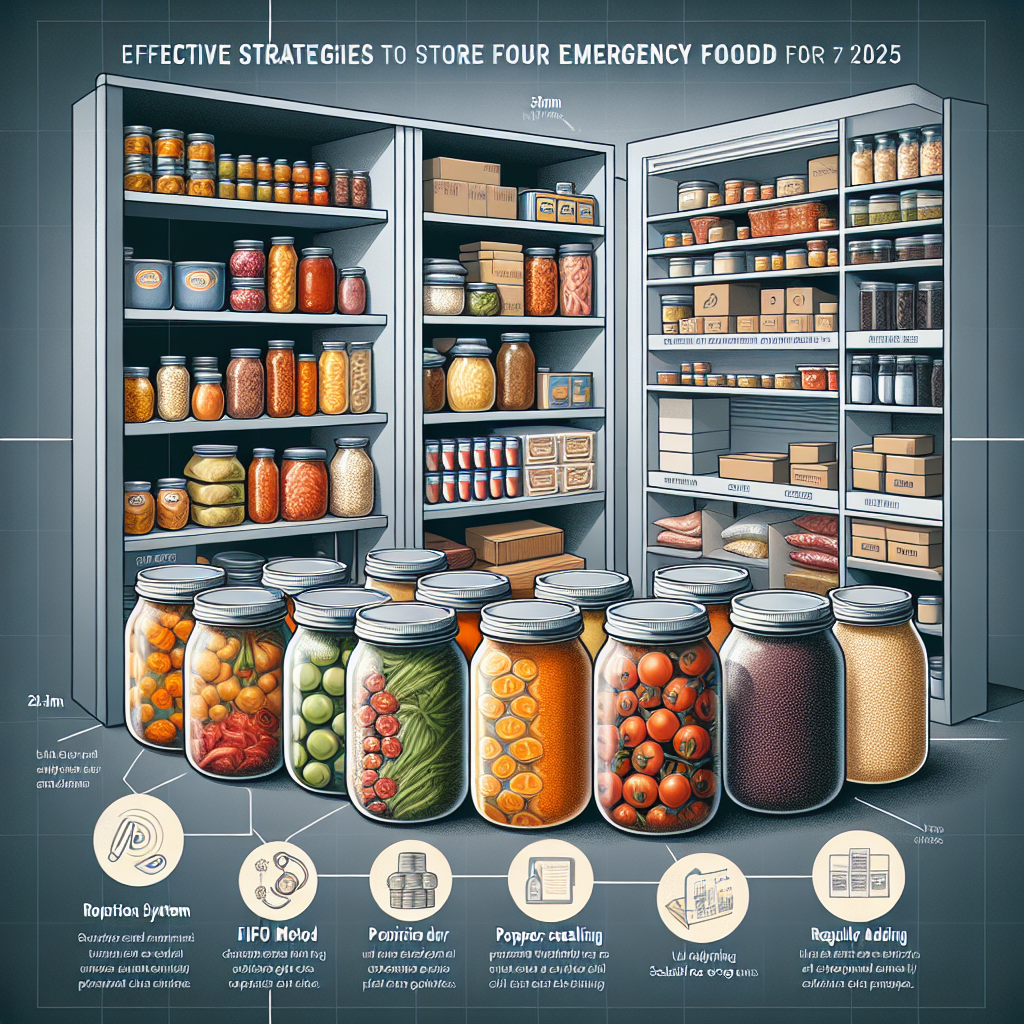
Having the right emergency supplies can significantly impact your response during a crisis. Essential items typically include food, water, first-aid kits, flashlights, batteries, and personal hygiene products. The specific supplies you’ll need can vary based on the types of emergencies likely to occur in your area, such as hurricanes, earthquakes, or fires.
Begin by assembling a basic emergency kit that includes at least a three-day supply of non-perishable food and water for each person in your household. Additionally, include medications, a flashlight with extra batteries, a portable phone charger, and any necessary personal items. Regularly check and update your supplies, especially food and medications, to ensure they remain usable.
Many renters make the mistake of underestimating their supply needs, thinking a few snacks and flashlights will suffice. In reality, during a significant emergency, stores may be closed, and resources could be limited. It’s crucial to think ahead and prepare for various scenarios, including potential evacuations. For instance, if you live in an area prone to hurricanes, consider adding items like a battery-powered radio and waterproof containers for documents.
Creating a Family Emergency Plan
Developing a family emergency plan is vital for ensuring that everyone knows what to do during a crisis. This plan should cover various scenarios, including evacuation routes, communication methods, and designated meeting points. Involving all household members in the planning process creates familiarity and reduces panic during an actual emergency.
Begin by discussing potential emergencies with your family and determining the best course of action for each scenario. Identify multiple evacuation routes from your home and practice them regularly. Establish a communication plan that includes how to contact each other if separated and where to meet. For instance, if you cannot return home due to a fire, designate a nearby landmark or relative’s home as a meeting point.
One common mistake families make is failing to practice their emergency plan. It’s essential to conduct regular drills, allowing everyone to become comfortable with the procedures. Additionally, many families overlook the importance of having a backup communication method, such as a group chat or a designated out-of-town contact, in case local networks are down. This preparation not only enhances safety but also builds confidence in your family’s ability to handle emergencies.
Local Resources and Contacts
Identifying local resources and contacts is a crucial aspect of emergency preparedness for renters. These resources include local emergency services, nearby hospitals, shelters, and community support organizations. Knowing where to turn for help can save time and reduce stress during an emergency.
Start by compiling a list of important local numbers, including your landlord, local fire department, police station, and nearest hospital. Additionally, check for community organizations that offer disaster relief or support services. Local government websites often provide resources for emergency preparedness, including evacuation routes and safety tips specific to your area.
A significant oversight is not keeping this information easily accessible. For example, many people store important contacts in their phones but fail to consider situations where their phones might be unusable. Writing down this information and placing it in your emergency kit or posting it in a common area of your home can ensure it is readily available when needed.
Common Pitfalls in Emergency Preparation
Emergency preparedness often encounters several common pitfalls that can undermine efforts. One major issue is procrastination; many renters assume that disasters won’t happen to them or believe they can prepare later. This mindset can lead to inadequate preparation and increased risk during an actual emergency.
To combat procrastination, set clear deadlines for completing each aspect of your emergency plan, including assembling your supplies and conducting family drills. Regularly review and update your plan to reflect any changes in your household or local risks. Additionally, consider involving friends or neighbors in your preparedness efforts, which can create a supportive community around emergency readiness.
Another frequent mistake is focusing solely on physical supplies while neglecting mental preparation and community resources. It’s essential to ensure that all household members understand the importance of remaining calm and following the emergency plan. Additionally, building relationships with neighbors can create a support network during emergencies, as they may have resources, skills, or information that can help you in a crisis.
Further Reading
Authoritative Sources
- Ready.gov
ready.govThis resource offers comprehensive guidance on emergency preparedness, including planning and building supplies tailored to various scenarios
- American Red Cross Emergency Preparedness
redcross.orgThe Red Cross provides valuable resources for creating emergency plans and assembling kits, along with training programs
- FEMA
fema.govThe Federal Emergency Management Agency offers information on disaster preparedness and recovery resources for renters and homeowners alike
- National Hurricane Center Emergency Preparedness
nhc.noaa.govThis site provides specific resources for hurricane preparedness, crucial for renters in coastal areas
Frequently Asked Questions
What should I include in my emergency kit?
Your emergency kit should include non-perishable food, water, a flashlight, batteries, a first-aid kit, medications, and personal hygiene items.
How often should I update my emergency plan?
Review and update your emergency plan at least once a year or whenever there are significant changes in your household or local environment.
What if my landlord doesn’t provide safety equipment?
If your landlord fails to provide necessary safety equipment, document your concerns and communicate directly with them to discuss potential solutions.
How can I involve my neighbors in emergency preparedness?
Consider organizing a neighborhood meeting to discuss emergency plans and resources, creating a support network that can help during crises.
Are renters responsible for emergency preparedness?
Yes, renters are responsible for their emergency preparedness, including creating plans, assembling supplies, and addressing safety concerns with landlords.
Conclusion
Preparing for emergencies while renting a home is a crucial responsibility that can significantly impact your safety and well-being. Prioritizing the development of a comprehensive emergency plan, understanding your rental agreement, and assembling essential supplies should be your first steps. Regularly review and practice your emergency procedures with all household members, and don’t overlook the importance of local resources and community support. Taking these proactive measures will not only enhance your readiness for unexpected situations but also provide peace of mind in your rented home.