Understanding the specific risks related to flooding in your region can shape your preparation efforts. Floods can occur suddenly due to heavy rains or storm surges, leaving little time for adequate response. Therefore, assessing your home’s vulnerability and knowing the evacuation routes and community resources are essential. Mistakes often arise when individuals fail to update their plans or kits, assuming that their previous preparations remain sufficient. Regularly reviewing and adjusting your emergency supplies and strategies ensures you are equipped for changing conditions.
Additionally, it’s vital to build a communications plan with your family and neighbors. In the chaos of a flood, keeping in touch can be challenging, especially if cell networks are down. Establishing a clear protocol for checking in with loved ones or neighbors enhances community resilience. The biggest mistake is disregarding the importance of local emergency services and resources. Familiarizing yourself with the services available in your area can provide crucial support when you need it most.
Essential Supplies for Flood Preparedness
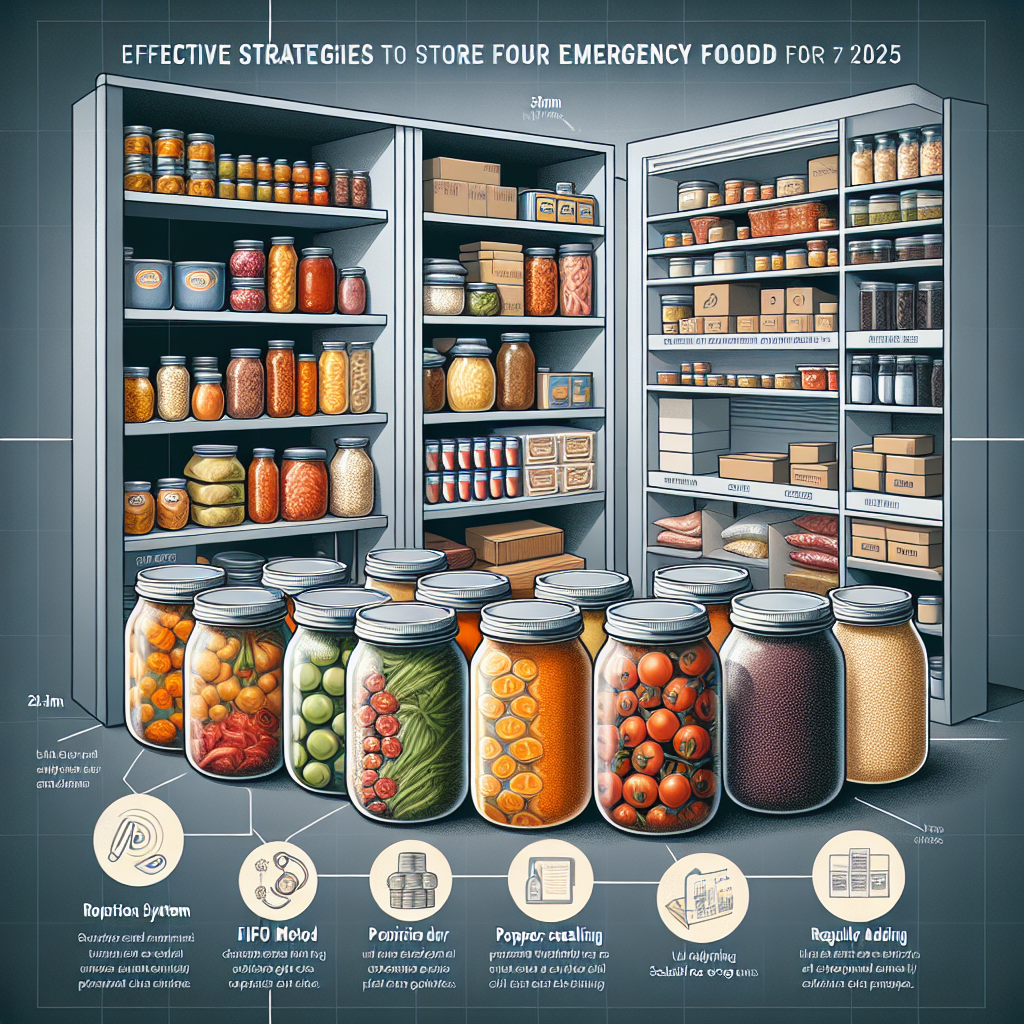
Your emergency kit should contain at least a three-day supply of food and water per person, along with essential items such as batteries, flashlights, a first-aid kit, and necessary medications. These supplies can help sustain you and your family until help arrives or it is safe to evacuate. Many people overlook the importance of having non-perishable food items like canned goods, as well as a manual can opener, which is essential if power is lost.
When assembling your emergency supplies, consider the specific needs of all family members, including pets. Special dietary needs or medications should be accounted for in your kit. It’s also wise to include items like blankets, hygiene supplies, and local maps. The common mistake is assuming one-size-fits-all preparedness; personalizing your kit based on individual or family needs can significantly improve your chances of staying safe.
Moreover, remember to regularly check and update your emergency kit. Food and medications can expire, and batteries can lose their charge over time. In real-world scenarios, unpreparedness can lead to panic and a rush to acquire supplies at the last minute, which may not be feasible during an emergency. Establish a routine to review your supplies at least twice a year, perhaps coinciding with seasonal changes.
Creating an Effective Emergency Plan
A solid emergency plan is a roadmap for you and your family during a flood. It should detail the steps to take if a flood warning is issued, including evacuation routes and designated meeting points. Having a written plan that everyone understands is crucial; without one, confusion and panic can easily set in during an actual emergency.
To draft your emergency plan, start by identifying the closest evacuation routes and shelters in your area. Include contact information for family members and neighbors, and decide on a meeting place outside your immediate vicinity. When a flood warning is issued, having a plan in place can save precious time and reduce stress. Many people underestimate the time it takes to gather supplies and evacuate, leading to rushed decisions that can compromise safety.
Additionally, practice your emergency plan regularly with your family. Drills can help everyone become familiar with their roles and the actions they need to take, ensuring your family remains calm and collected during a real emergency. A common oversight is not rehearsing the plan, which can lead to chaotic situations when every second counts. Familiarity with the plan can make all the difference in effectively navigating a flood emergency.
Understanding Flood Risk and Evacuation Routes
Knowing the flood risk in your area is essential for effective preparation. Flood zones are often categorized based on their likelihood of flooding, and understanding these classifications can inform your emergency planning. Areas with higher flood risks may require more robust preparations and a greater focus on evacuation strategies.
To assess your flood risk, consult local flood maps and resources provided by emergency management agencies. These maps can highlight areas prone to flooding, helping you identify whether you live in a high-risk zone. If you are in a flood-prone area, you should prioritize actions like elevating utilities and purchasing flood insurance. Misunderstanding your flood risk can lead to complacency, leaving you unprepared when an emergency arises.
When planning your evacuation route, consider multiple options in case one becomes impassable. Familiarize yourself with local roads and potential barriers like bridges or low-lying areas that could become hazardous. In practice, many people fail to plan for the possibility of road closures or traffic jams during an evacuation, which can result in delays. Having alternative routes can help ensure that you reach safety as quickly as possible.
Community Resources and Communication
Community resources play a vital role in effective flood preparedness and response. Local government agencies, Red Cross chapters, and community organizations often provide valuable information, support, and resources for residents in flood-prone areas. Leveraging these resources can enhance your preparedness and ensure you have access to the necessary support during an emergency.
Establishing communication with neighbors can also foster a sense of community and mutual support in times of crisis. Share your emergency plans and discuss how you can assist one another during a flood. In real-world scenarios, neighbors who communicate and collaborate can provide immediate help, such as sharing resources or assisting with evacuations.
A common oversight is neglecting to consider the potential for communication disruptions during a flood. Cell towers may go down, and power outages can hinder communication efforts. It’s wise to have alternative communication methods, such as walkie-talkies or a designated meeting place, to ensure you can stay connected with loved ones or neighbors. Preparing for communication challenges can significantly improve your ability to coordinate and stay safe.
Further Reading
Authoritative Sources
- Ready.gov
ready.govOfficial U.S. preparedness guidance, checklists, and planning resources for households and emergencies.
- FEMA
fema.govFederal emergency management resources, disaster planning information, and recovery guidance.
- American Red Cross Emergency Preparedness
redcross.orgPractical emergency preparation steps, supply lists, and safety guidance for families.
- National Weather Service
weather.govOfficial forecasts, hazard alerts, and weather safety information.
- CDC Emergency Preparedness and Response
cdc.govPublic health guidance for emergencies, disasters, and recovery situations.
Frequently Asked Questions
What should I include in my emergency kit for floods?
Your emergency kit should include food, water, first-aid supplies, medications, important documents, flashlights, batteries, and a manual can opener, among other essentials.
How often should I update my emergency plan?
Review and update your emergency plan at least twice a year or whenever significant changes occur, such as moving to a new location or changes in family circumstances.
What steps should I take if a flood warning is issued?
If a flood warning is issued, immediately activate your emergency plan, gather your emergency kit, and evacuate to a predetermined safe location.
How can I assess my flood risk?
Consult local flood maps and resources provided by emergency management agencies to understand the likelihood of flooding in your area.
What should I do if I can’t evacuate safely?
If you cannot evacuate, move to higher ground and stay indoors, avoiding low-lying areas. Keep in contact with local emergency services for updates.
Conclusion
Preparing for emergencies in flood-prone areas requires proactive planning, understanding local risks, and maintaining effective communication. Prioritize assembling a comprehensive emergency kit tailored to your family’s needs, and regularly update your emergency plan to reflect changing circumstances. Engaging with community resources and neighbors can enhance your readiness and resilience. Being prepared is not just about having supplies; it’s about creating a culture of safety and awareness that can significantly improve outcomes during a flood.