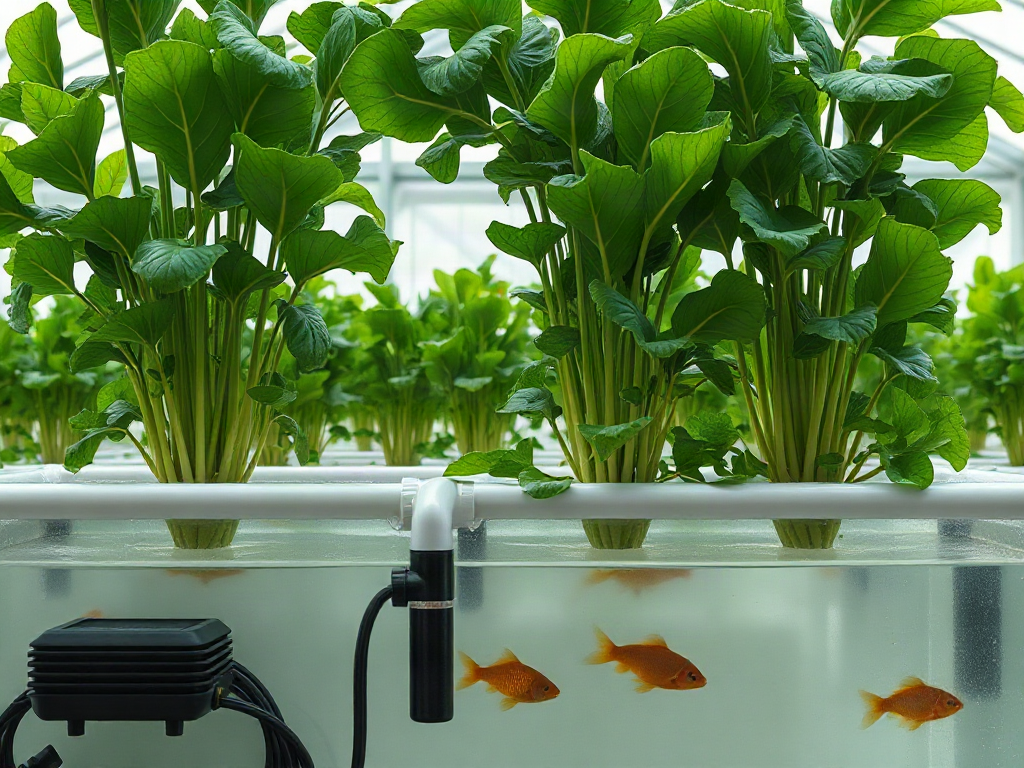
Quick Answer: Start by defining a small learning goal, choosing a stable site with safe power and water access, and building a simple system that is easy to inspect. Buy water tests and establish the biological filter before adding a full fish load, then begin with leafy greens and a legally permitted fish species suited to the local temperature. Expand only after water quality and daily maintenance remain manageable.
Why This Happens: Aquaponics depends on a living balance among fish, nitrifying bacteria, plants, oxygen, and circulating water. New systems lack an established bacterial filter, while excessive fish or feed can produce ammonia faster than the system processes it. Careful sizing, cycling, testing, and gradual stocking reduce that early instability.
How To Fix It:
- Choose a level location with adequate structural support, protected electrical service, suitable light, and manageable temperatures.
- Build a basic fish-tank and grow-bed system, then leak-test its plumbing, circulation, aeration, and overflow protection.
- Test the source water and obtain kits for pH, ammonia, nitrite, nitrate, and temperature before purchasing fish.
- Cycle the biofilter, start a few leafy greens, and confirm that ammonia and nitrite remain controlled.
- Check local fish rules, select an appropriate species, and add a light stock gradually while keeping a daily log.
The best first steps in aquaponics are to define a modest goal, choose a simple system, confirm that the location can support it, and learn how to establish the biological filter before adding a full load of fish. Aquaponics combines fish care, water circulation, bacterial filtration, and plant production, so success depends less on buying elaborate equipment than on keeping those parts balanced. A small, accessible setup growing leafy greens is usually more manageable than a large system stocked with demanding fish or fruiting crops.
Begin with a clear and manageable goal
Decide what you want the system to accomplish before selecting tanks, pumps, or grow beds. A learning system has different requirements from a household food garden or commercial operation. For a first project, aim to learn water testing, fish care, planting, and routine maintenance. Treat the first crop as an opportunity to stabilize the system rather than as a promise of a particular harvest.
Keep the initial design small enough that you can inspect every component and afford a correction if something goes wrong. At the same time, avoid containers so tiny that temperature and water chemistry change rapidly. A compact system with a separate fish tank and plant-growing area offers room to observe the major processes without creating an overwhelming workload. Beginners who are still considering another growing method can review whether hydroponics or aquaponics better matches their interests. Aquaponics is most suitable when caring for fish is an appealing part of the project, not merely a way to feed plants.
Write down practical limits, including available space, budget, daily attention, electrical access, and who will care for the system during absences. Decide whether the project will operate indoors, in a greenhouse, or outdoors. This choice affects light, temperature control, weather exposure, pest pressure, and the fish and plants you can reasonably keep.
Evaluate the site before buying equipment
A filled aquaponic system is heavy, contains electricity near water, and must run continuously. Select a level, stable surface capable of supporting the tank, grow bed, water, and equipment. If you plan to place it on a deck, elevated floor, or other structure where capacity is uncertain, have the load evaluated by an appropriate local building professional. Protect indoor areas against splashes, leaks, condensation, and accidental overflow.
Provide safe access to power and use electrical protection appropriate for wet locations. Electrical codes and installation requirements vary by jurisdiction, so consult a qualified electrician or local authority rather than assuming that a general diagram meets local rules. Arrange cords with drip loops, keep connections away from water, and make pumps and air equipment easy to reach without leaning over an open tank.
Light and temperature should guide crop and fish selection. Outdoor sunlight may support plants but can also heat the water and encourage algae. Indoor systems generally need suitable grow lights, adding expense and heat. Check the normal seasonal temperature range at the chosen site and compare it with the needs of potential fish. Maintaining a species far outside its preferred range can require costly heating or cooling.
Also plan where water will come from and where it can safely go during maintenance. Municipal water may contain disinfectants that must be handled appropriately before it enters a fish system; the correct approach depends on whether the supplier uses chlorine, chloramine, or another treatment. Well water can have its own chemistry concerns. Test the actual source instead of relying on appearance or assumptions.
Choose a simple, serviceable system
A basic arrangement needs a fish tank, a plant-growing section, water circulation, oxygenation, and a way to capture or process solids. Common growing approaches include media beds, deep-water channels, and nutrient-film channels. Media-filled beds can be approachable for small first systems because the media supports plants and provides surface area for bacteria, although solids still require attention. Channel and raft designs can work well but often benefit from more deliberate solids removal and filtration.
Choose food-contact-safe materials that will not leach harmful substances into the water. Avoid containers that previously held unknown chemicals. Make sure plumbing, valves, and drains are visible and accessible; a beautiful installation becomes frustrating if a clogged fitting cannot be reached. Include a guard that prevents fish or debris from entering pump intakes, and design the system so that a blocked pipe does not empty the fish tank.
Size circulation and aeration for resilience
Select a pump based on the flow it can deliver at the actual vertical lift and plumbing resistance, not only the number printed on its label. Provide strong aeration in the fish tank and wherever plant roots could become oxygen-deprived. Fish, plant roots, and beneficial bacteria all consume oxygen. Consider what will happen if a pump stops, a line disconnects, or power fails. An alarm, spare air pump, battery-backed aeration, or another contingency may be appropriate depending on fish density and how quickly someone can respond.
Buy the water-testing supplies before buying fish. At minimum, a beginner needs a reliable way to monitor temperature, pH, ammonia, nitrite, and nitrate. Keep a net, fish-safe bucket, measuring tools, and cleaning brush reserved for the system. A written log of test results, feeding, plant changes, and maintenance is more useful than trying to remember whether a reading shifted.
Cycle the biological filter before full stocking
The defining early task is establishing nitrifying bacteria. Fish release ammonia, directly and through decomposing waste. In a functioning biofilter, bacterial communities convert ammonia into nitrite and then nitrate, which plants can use. Ammonia and nitrite can harm fish, so a new system should not be treated as mature simply because water is circulating.
Fishless cycling is often the more forgiving starting method because it allows the bacterial filter to develop without exposing fish to startup conditions. It requires a controlled ammonia source intended for cycling and regular testing. Avoid household ammonia products containing fragrances, surfactants, or other additives. Follow a reputable aquaponics cycling method and interpret test results as a pattern over time rather than reacting to one isolated reading.
Cycling with fish is possible, but it requires conservative stocking and feeding, frequent testing, and prompt responses to unsafe conditions. Products marketed as bottled bacteria may support startup, but they do not remove the need to test. Water temperature, pH, oxygen, disinfectant residues, and the product’s storage condition can all influence establishment. For a more detailed startup sequence, see this guide to getting started with aquaponics.
Do not chase a particular pH with abrupt chemical additions. Stability matters to fish and bacteria, and a treatment suitable for an aquarium may not be suitable around edible plants. Learn how your source water’s alkalinity affects pH, make changes gradually, and verify that any product used is appropriate for the species and food-growing context involved.
Add suitable plants and fish gradually
Leafy greens and many herbs are sensible first crops because they generally place less nutrient demand on a young system than heavily fruiting plants. Choose plants that suit the available light and water temperature. Start with a limited number, observe root health and new growth, and expand after water quality remains steady. Protect the grow area from direct light where possible to discourage algae, while ensuring plant leaves receive adequate light.
Select fish according to legal availability, climate, water conditions, adult size, and your willingness to provide long-term care. Do not choose a species solely because it appears on a generic list. Rules governing possession, transport, culture, sale, release, and use of fish as food differ among countries, states, provinces, and municipalities. Permits or restrictions may apply to nonnative or food fish, and local animal-welfare, zoning, building, food-sale, or wastewater requirements can also matter. Contact the relevant local fisheries or agriculture agency before purchasing fish; never release fish, plants, or system water containing organisms into natural waterways.
Add only a light fish load after the system can process waste reliably. Acclimate fish carefully to temperature and water conditions, provide hiding or cover if appropriate for the species, and watch behavior closely. Feed a complete diet made for that fish and remove uneaten feed. More feed is not a shortcut to faster plant growth: it increases oxygen demand and waste, potentially pushing ammonia or solids beyond the system’s capacity.
Build a short daily and weekly routine
Each day, confirm that water and air are moving, check for leaks, observe fish before and during feeding, remove dead plant material, and note unusual smells or cloudiness. On a regular schedule, test water, inspect roots and plumbing, clean mechanical filters as the design requires, and check water level. Replace water lost through evaporation or plant use using water prepared appropriately for the system.
Change one variable at a time whenever possible. If fish stop eating, plants yellow, or ammonia rises, first verify test accuracy, temperature, circulation, aeration, recent feeding, and possible dead organisms. Avoid adding several remedies at once because that can stress fish and obscure the cause. A review of common system mistakes can help you identify preventable design and maintenance problems.
The most practical beginning is therefore a modest, well-sited system that is easy to inspect and protected against predictable failures. Assemble and leak-test it, prepare the source water, establish the biofilter, begin with forgiving plants, and stock fish lightly only after testing supports that decision. Expand after you can keep water quality stable and complete routine care consistently.
Popular Questions
Should plants or fish be added first?
Plants can be placed in the growing area while a new system is cycling, but fish should wait until the operator understands the water readings and the biofilter can process waste. Fishless cycling offers a lower-risk way to establish bacteria. The plants may need modest supplemental nutrition during startup, but any product must be safe for the eventual fish and intended use.
Which crops are easiest in a new system?
Leafy greens and many culinary herbs are generally practical first choices because they can grow with the comparatively modest nutrient supply of a young system. Match each crop to the available light and water temperature. Tomatoes, cucumbers, and other fruiting plants can be attempted later, after fish feeding, filtration, and nutrient availability are stable enough to support their greater demands.
How often should aquaponic water be tested?
Test frequently during cycling, after adding fish, and whenever feeding, behavior, or plant health changes. Once the system is stable, use a consistent schedule while continuing daily equipment and fish observations. Track temperature, pH, ammonia, nitrite, and nitrate in a log. Extra testing is warranted after power failures, pump problems, dead fish, overfeeding, or major water additions.
Is a backup air pump necessary?
Backup aeration is a valuable safeguard because fish, roots, and biofilter bacteria all require oxygen, and a power or pump failure can affect them quickly. Its importance rises with fish density, warm water, and slow response times. Options include battery-powered air pumps, backup power, alarms, or another independently powered aeration method suited to the system.