Instant Answer: Hydroponic gardening allows for faster plant growth and higher yields because plants receive nutrients directly through water, optimizing absorption. It uses less water than traditional soil gardening, making it more sustainable and suitable for areas with limited water resources. Additionally, hydroponics can be practiced indoors or in small spaces, enabling year-round cultivation regardless of climate. This method also reduces soil-borne pests and diseases, leading to healthier plants and less need for chemical treatments.
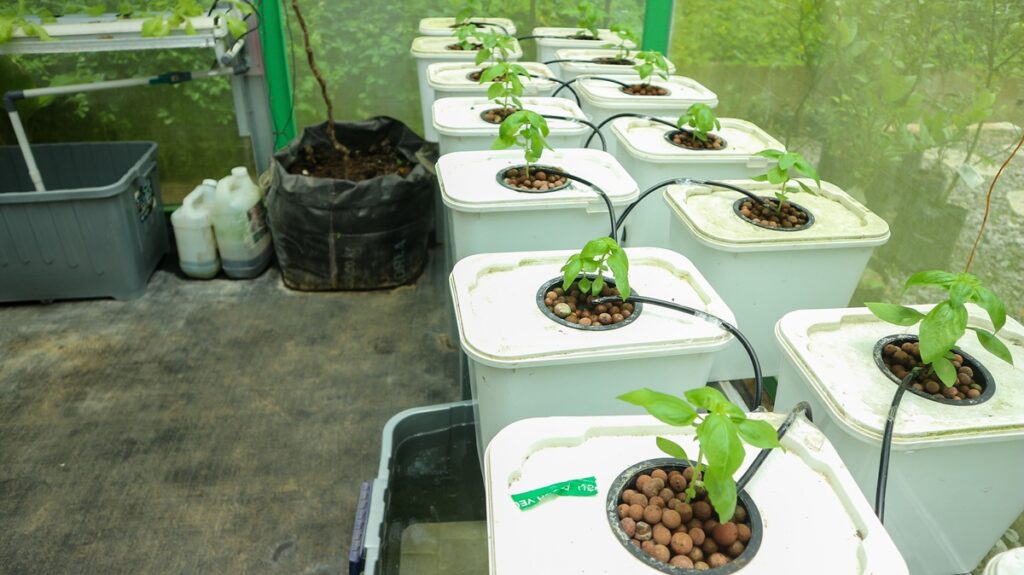
Table of Contents
- Benefits of Hydroponic Gardening for Faster and Sustainable Growth
- What is Hydroponic Gardening?
- Faster Growth Rates and Increased Yields
- Water Efficiency and Conservation
- Reduced Use of Pesticides and Herbicides
- Space Optimization and Urban Farming
- Environmental Sustainability and Reduced Carbon Footprint
- Year-Round Growing Capabilities
- Cost Savings and Economic Benefits
- Getting Started with Hydroponic Gardening
- Conclusion
- Other Questions People Ask
- What nutrients are essential for hydroponic plants?
- What is hydroponic gardening and why is it important?
- How can you get the best results with hydroponic gardening?
Benefits of Hydroponic Gardening for Faster and Sustainable Growth
Hydroponic gardening transforms the way we grow food by delivering nutrients directly to plant roots through water, resulting in remarkably faster growth and higher yields compared to traditional soil methods. Its efficiency means plants can thrive with less water, making it an appealing choice for regions facing water scarcity, while also allowing for cultivation in confined spaces or indoor environments regardless of seasonal changes. Without soil, the risk of soil-borne pests and diseases diminishes significantly, reducing the need for chemical interventions and promoting healthier, more resilient plants. This innovative approach not only accelerates harvests but also offers a sustainable, space-efficient alternative that aligns with modern environmental concerns.
What is Hydroponic Gardening?
Hydroponic gardening is a method of growing plants without soil, using nutrient-rich water solutions to deliver essential minerals directly to the plant roots. Unlike traditional soil-based gardening, hydroponics allows for precise control over growing conditions, including nutrient levels, pH balance, and environmental factors such as light and humidity. This technique can be implemented in various setups, from simple container systems suitable for home use to large-scale commercial farms utilizing advanced automation technology.
Faster Growth Rates and Increased Yields
One of the most compelling benefits of hydroponic gardening is the ability to accelerate plant growth. Because nutrients are delivered directly to the roots in a readily accessible form, plants can absorb essential elements more efficiently than in traditional soil-based systems. For example, studies have shown that lettuce grown hydroponically can reach harvest maturity in about 30 days, compared to 45-60 days in soil. Similarly, herbs like basil and mint often mature up to two weeks faster in hydroponic setups.
This rapid growth translates into higher yields within shorter timeframes, making hydroponics an attractive option for commercial growers aiming to maximize productivity. For instance, tomato farmers using hydroponic systems report up to 25% higher yields per square foot compared to traditional methods. The ability to produce multiple crop cycles annually further enhances profitability and resource efficiency.
Water Efficiency and Conservation
Hydroponic systems are inherently more water-efficient than conventional gardening because they recycle nutrient solutions through closed-loop systems. Unlike soil gardening, where water can seep into the ground or evaporate, hydroponics minimizes waste by recirculating water within the system. For example, a well-designed hydroponic setup can use up to 90% less water than traditional soil cultivation.
This efficiency is particularly vital in regions facing water scarcity or drought conditions. By reducing water consumption, hydroponic growers contribute to environmental conservation while maintaining high productivity levels. Additionally, precise control over water delivery reduces the risk of overwatering or underwatering, which can lead to plant stress or disease.
Reduced Use of Pesticides and Herbicides
Since hydroponic systems are typically contained environments with controlled conditions, they significantly reduce the need for chemical pest control measures. The absence of soil eliminates many soil-borne pests and diseases that commonly afflict traditional gardens. Moreover, integrated pest management strategies can be more effectively implemented in controlled environments, further decreasing reliance on chemical interventions.
This reduction not only results in healthier produce free from pesticide residues but also benefits the environment by decreasing chemical runoff into local waterways. For example, organic hydroponic farms often report fewer pest issues and rely on natural predators or biological controls rather than synthetic pesticides.
Space Optimization and Urban Farming
Hydroponic gardening is highly adaptable to limited spaces, making it ideal for urban environments where land is scarce and expensive. Vertical hydroponic systems enable growers to maximize vertical space, stacking multiple layers of plants in a compact footprint. This approach allows for high-density cultivation in small areas such as rooftops, balconies, or indoor basements.
For instance, urban farmers in cities like New York and Tokyo have successfully established multi-tiered hydroponic farms that produce fresh greens and herbs year-round. These systems not only optimize space but also reduce transportation costs and carbon emissions associated with importing produce from rural farms.
Environmental Sustainability and Reduced Carbon Footprint
Hydroponic systems contribute to environmental sustainability by reducing land use, conserving water, and lowering the carbon footprint associated with food production. Since hydroponics can be practiced indoors or in controlled environments, it minimizes the need for large-scale land clearing and reduces dependence on chemical fertilizers and pesticides.
Furthermore, integrating renewable energy sources such as solar panels with hydroponic farms can further decrease environmental impact. For example, some commercial hydroponic operations operate entirely off-grid using solar power for lighting and climate control, making them highly sustainable models for future food production.
Year-Round Growing Capabilities
Unlike traditional outdoor gardening that depends heavily on seasonal weather patterns, hydroponic systems enable year-round cultivation regardless of external climate conditions. Indoor hydroponic farms equipped with LED grow lights and climate control systems can produce fresh vegetables and herbs throughout the year.
This continuous production cycle ensures a steady supply of fresh produce for local markets and reduces reliance on imported goods. For example, a hydroponic basil farm in Scandinavia can supply fresh herbs during winter months when outdoor cultivation is impossible due to cold temperatures.
Cost Savings and Economic Benefits
Although initial setup costs for hydroponic systems can be higher than traditional gardening, the long-term savings are substantial. Reduced water usage, faster crop turnover, higher yields, and lower pesticide costs contribute to increased profitability. Additionally, the ability to grow high-value crops such as gourmet lettuce varieties or specialty herbs can command premium prices in local markets.
For home gardeners, hydroponics offers an economical way to grow organic produce without frequent trips to grocery stores or farmers’ markets. Over time, these savings can offset the initial investment in equipment and setup.
Getting Started with Hydroponic Gardening
- Select the right system: Choose from popular options like nutrient film technique (NFT), deep water culture (DWC), or drip systems based on your space and crop preferences.
- Gather quality materials: Invest in reliable grow lights, pumps, reservoirs, and nutrient solutions designed specifically for hydroponics.
- Maintain optimal conditions: Monitor pH levels regularly (ideally between 5.5 and 6.5), ensure proper oxygenation of nutrient solutions, and control temperature and humidity for healthy plant growth.
- Choose suitable crops: Leafy greens like lettuce, spinach, kale; herbs such as basil and cilantro; strawberries; and cherry tomatoes are excellent choices for beginners.
- Implement integrated pest management: Use natural predators or organic solutions to keep pests at bay without chemicals.
Conclusion
Hydroponic gardening offers a compelling combination of faster growth rates, resource efficiency, environmental sustainability, and adaptability to urban spaces. By leveraging this innovative approach, growers can achieve higher yields with less water and land while reducing their ecological footprint. Whether you’re interested in growing fresh herbs on your balcony or establishing a commercial farm that supplies local markets year-round, hydroponics provides a versatile platform for sustainable food production. Start small with a simple system, learn through experimentation, and gradually expand your setup to enjoy the numerous benefits this method has to offer.
Other Questions People Ask
How does hydroponic gardening promote faster plant growth and higher yields?
Hydroponic gardening delivers nutrients directly to plant roots through water, allowing for more efficient absorption. This targeted nutrient delivery accelerates growth rates, enabling crops like lettuce and herbs to mature in significantly less time than traditional soil methods. As a result, growers can achieve higher yields within shorter cycles, maximizing productivity.
In what ways does hydroponic gardening contribute to water conservation and sustainability?
Hydroponic systems recycle water through closed-loop setups, reducing overall water usage by up to 90% compared to traditional gardening. This efficient water management makes hydroponics especially suitable for areas with limited water resources. Additionally, the reduced need for chemical pesticides and herbicides supports a more environmentally sustainable approach.
Why is hydroponic gardening ideal for urban environments and small spaces?
Hydroponic gardening can be adapted to vertical and compact systems, making it perfect for limited spaces like rooftops, balconies, or indoor areas. Its high-density cultivation allows urban farmers to grow a variety of crops year-round without requiring large land areas. This space efficiency helps reduce transportation emissions and promotes local food production in cities.