Key Takeaway: Hydroponics and aquaponics are both efficient soilless farming methods, but aquaponics integrates fish and plant cultivation, creating a symbiotic system that conserves water and reduces waste. Hydroponics typically yields faster growth and higher plant density but requires more nutrient inputs. Aquaponics offers a sustainable, eco-friendly approach by recycling fish waste into plant nutrients, though it can be more complex to manage. The better choice depends on your goals: for sustainability and resource efficiency, aquaponics is advantageous; for higher yields and simplicity, hydroponics may be preferable.
Article Guide
- A Simple, Repeatable Plan for Hydroponics vs Aquaponics
- Understanding the Basics: Hydroponics and Aquaponics
- Step 1: Planning Your System
- Step 2: Selecting Equipment and Materials
- Step 3: Building Your System
- Step 4: Cycling and Balancing Your System
- Step 5: Planting and Stocking
- Step 6: Maintenance and Monitoring
- Step 7: Harvesting and Scaling Up
- Additional Tips for Success
- Conclusion
- Important Questions and Answers
- What are the main differences between hydroponics and aquaponics?
- Which system is more sustainable: hydroponics or aquaponics?
- Can hydroponics and aquaponics be used together in a hybrid system?
A Simple, Repeatable Plan for Hydroponics vs Aquaponics
Choosing between hydroponics and aquaponics often feels like weighing speed against sustainability; both methods strip away soil to focus on efficient plant growth, yet they do so in fundamentally different ways. Hydroponics offers rapid yields and dense planting, but it demands a steady supply of nutrients, making it a more resource-intensive option. Aquaponics, on the other hand, creates a living ecosystem where fish waste nourishes plants, blending agriculture with aquaculture in a delicate balance that conserves water and minimizes waste. Deciding which approach suits your goals depends on whether you prioritize straightforward productivity or eco-friendly innovation.
Understanding the Basics: Hydroponics and Aquaponics
Before diving into the step-by-step plans, it’s essential to understand what distinguishes hydroponics from aquaponics. Hydroponics is a method of growing plants without soil, using nutrient-rich water solutions to deliver essential minerals directly to the roots. This technique allows for faster plant growth, higher yields, and efficient use of space and water. For example, commercial tomato growers often use hydroponic systems to produce large quantities of fruit in controlled environments, reducing pests and diseases associated with soil.
In contrast, aquaponics combines fish farming (aquaculture) with plant cultivation (hydroponics). The fish produce waste that is converted by beneficial bacteria into nutrients usable by plants. The plants, in turn, filter and clean the water, which is recirculated back to the fish tanks. This symbiotic relationship creates a sustainable, eco-friendly system. An example is a backyard aquaponic setup where koi or tilapia fish support the growth of leafy greens like lettuce and herbs such as basil, providing fresh produce and fish for the household.
Step 1: Planning Your System
Effective planning is the foundation of a successful hydroponic or aquaponic system. Begin by assessing your available space, budget, and goals. Do you want a small-scale home garden or a larger commercial operation? For instance, a 4×8-foot grow bed can support a variety of leafy greens and herbs, while a larger 10×20-foot setup might accommodate multiple fish tanks and crop varieties.
Next, decide on the type of system you want to build:
- Hydroponic systems: Nutrient Film Technique (NFT), Deep Water Culture (DWC), or Ebb and Flow.
- Aquaponic systems: Media-based beds, raft systems, or vertical towers.
Research the specific requirements of your chosen crops and fish species. For example, lettuce thrives in shallow, nutrient-rich water, while tilapia prefer warmer temperatures around 75-85°F (24-29°C). Planning for climate control, lighting, and water source quality is crucial. Consider whether you will use natural sunlight or supplemental grow lights, and ensure your water source is free of contaminants.
Step 2: Selecting Equipment and Materials
Once your plan is in place, gather the necessary equipment. For hydroponics, this typically includes:
- Grow trays or containers made of food-grade plastic or other safe materials
- Water pumps and tubing for circulation
- Nutrient delivery systems, such as reservoirs and dosing pumps
- pH and nutrient testing kits
- Grow lights (if indoors)
For aquaponics, additional components include:
- Fish tanks made of durable, non-toxic materials
- Biofilters to house beneficial bacteria
- Aeration systems to oxygenate water for fish health
- Water heaters or chillers to maintain optimal temperature
Choosing high-quality, durable equipment ensures system longevity and reduces maintenance costs. For example, using UV-resistant tubing prevents degradation over time, and selecting fish species suited to your climate minimizes heating or cooling needs.
Step 3: Building Your System
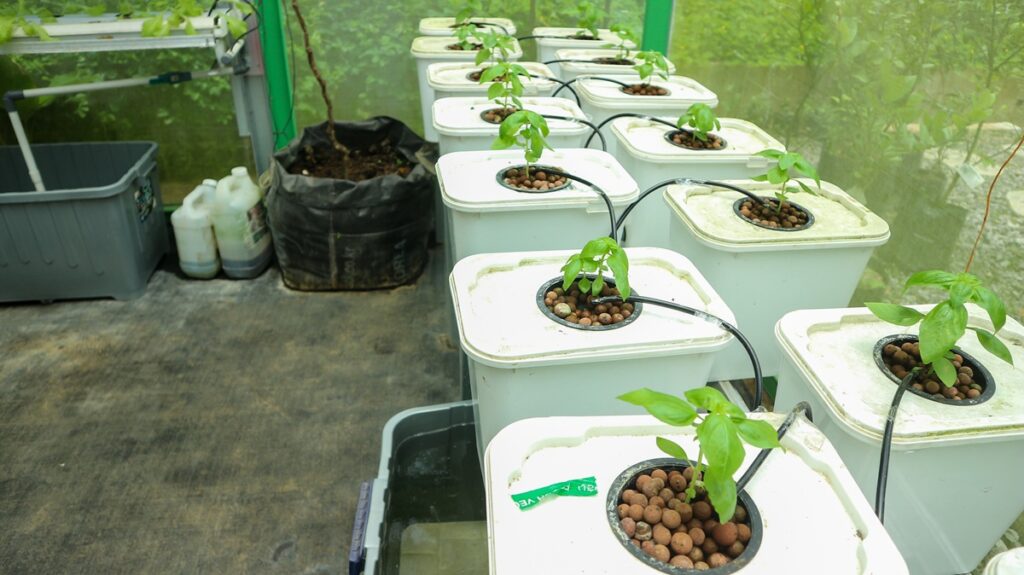
Construction begins with setting up the physical infrastructure. For hydroponics, assemble your grow beds, install water pumps, and connect nutrient delivery lines. For example, a simple DWC system involves suspending net pots filled with growing medium (like clay pellets) in a reservoir of nutrient solution, with a pump circulating water continuously.
In aquaponics, set up your fish tanks first, ensuring proper filtration and aeration. Install biofilters filled with media such as expanded clay or bio-balls, which provide surface area for beneficial bacteria to thrive. Connect the tanks to your grow beds or raft systems with plumbing that allows water to flow naturally or via pump-driven circulation.
Ensure all connections are secure and leak-proof. Test the system by running water through it for several hours, checking for leaks and ensuring even flow. For example, in a media-based aquaponic system, verify that water flows evenly through the grow beds and that fish tanks maintain stable water levels.
Step 4: Cycling and Balancing Your System
Before introducing plants or fish, your system needs to establish a healthy biological balance. In aquaponics, this involves cycling the system to develop beneficial bacteria that convert fish waste into plant nutrients—a process called nitrification. This can take 4-6 weeks. During this period, add ammonia sources (like fish food or commercial nitrification starter) and monitor water parameters regularly.
For hydroponics, ensure your nutrient solutions are properly balanced. Test pH levels, aiming for a range of 5.5 to 6.5, depending on your crops. Adjust nutrient concentrations based on plant growth stages, using commercial hydroponic fertilizers. For example, leafy greens require higher nitrogen levels, while fruiting plants need more phosphorus and potassium.
Maintaining stable conditions during cycling is crucial. For aquaponics, avoid adding fish until the system is fully cycled to prevent ammonia spikes that can harm aquatic life. For hydroponics, regularly check and adjust pH and nutrient levels to promote healthy growth.
Step 5: Planting and Stocking
Choose crops suited to your system and climate. Leafy greens like lettuce, spinach, and kale are excellent choices for beginners due to their fast growth and low nutrient requirements. Herbs such as basil, mint, and cilantro also thrive in hydroponic setups. For aquaponics, select fish species compatible with your environment—tilapia are popular in warmer climates, while trout are suitable for cooler waters.
Start seedlings in trays or pots with a suitable growing medium. Once established, transplant them into your hydroponic or aquaponic system. For example, transplant lettuce seedlings into net pots filled with clay pellets, ensuring roots are submerged in nutrient-rich water.
Introduce fish gradually, monitoring water quality and fish behavior. For instance, stock your fish tanks with 1-2 fish per gallon of water initially, and increase populations as the system stabilizes. Feed fish with high-quality pellets, and observe for signs of stress or illness.
Step 6: Maintenance and Monitoring
Consistent maintenance is key to a thriving system. Daily, check water levels, fish health, and plant growth. Weekly, test water parameters including pH, ammonia, nitrite, nitrate levels, and electrical conductivity (EC). Adjust nutrient dosing or water exchange as needed.
In hydroponics, replace or top up nutrient solutions regularly to prevent deficiencies. In aquaponics, perform partial water changes (10-20%) weekly to control waste buildup, and clean filters to prevent clogging.
Monitor for pests and diseases. For example, aphids can be a problem on leafy greens, while fungal issues may arise in overly humid environments. Use organic pest control methods or introduce beneficial insects like ladybugs to manage pests naturally.
Maintain equipment, replacing pumps or tubing when necessary, and ensure all electrical components are safe and functioning properly. Keeping detailed logs of system parameters helps identify trends and troubleshoot issues promptly.
Step 7: Harvesting and Scaling Up
Harvest crops at their peak maturity for optimal flavor and nutrition. Leafy greens are typically ready in 4-6 weeks, while fruiting plants like tomatoes may take 8-12 weeks. Regular harvesting encourages continuous production.
For aquaponics, harvest fish once they reach a suitable size—usually 6-12 inches depending on species—and ensure proper handling to avoid stress or injury. Use the fish for meals or sell them locally to offset costs.
As your confidence and experience grow, consider scaling up your system. Add more grow beds, expand fish tanks, or incorporate vertical gardening techniques to maximize space. For example, a backyard aquaponic farm can evolve into a semi-commercial operation producing hundreds of pounds of vegetables and dozens of fish annually.
Document your process, successes, and challenges to refine your system over time. Joining local gardening clubs or online forums can provide valuable insights and support for expansion.
Additional Tips for Success
- Start small: Begin with a manageable system to learn the basics before scaling up.
- Stay consistent: Regular monitoring and maintenance prevent small issues from becoming major problems.
- Educate yourself: Read books, attend workshops, and consult experts to deepen your understanding.
- Use quality inputs: Invest in good seeds, fish stock, and nutrients for better results.
- Be patient: Biological systems take time to stabilize, but persistence pays off with abundant harvests.
Conclusion
Whether you choose hydroponics or aquaponics, following a structured, repeatable plan can lead to successful, sustainable food production. By carefully planning, selecting appropriate equipment, building and cycling your system, and maintaining diligent oversight, you can enjoy fresh vegetables and fish year-round. Remember, each system is unique, so adapt these steps to fit your specific environment and goals. With patience and practice, you’ll develop a thriving garden that provides nutritious food and a rewarding hobby.
Important Questions and Answers
What are the main differences between hydroponics and aquaponics?
Hydroponics involves growing plants in nutrient-rich water without soil, while aquaponics combines fish farming with plant cultivation in a symbiotic system. In aquaponics, fish waste provides nutrients for the plants, which in turn purify the water for the fish. The main difference lies in the integration of aquatic animals in aquaponics, making it a more complex but sustainable system.
Which system is more sustainable: hydroponics or aquaponics?
Aquaponics is generally considered more sustainable because it recycles water and nutrients through the fish and plants, reducing waste and water consumption. Hydroponics, on the other hand, often requires synthetic nutrients and higher water input. However, the sustainability of each system depends on factors like energy use, system management, and local resources.
Can hydroponics and aquaponics be used together in a hybrid system?
Yes, hybrid systems that combine elements of both hydroponics and aquaponics are possible and can offer benefits such as increased nutrient availability and system resilience. These systems typically involve integrating fish tanks with hydroponic setups, allowing for flexible management of nutrients and water. However, designing and maintaining such systems requires careful planning to balance the needs of both plants and aquatic animals.