


Key Takeaway: You can find hydroponic gardening tips on websites like the University of Arizona Cooperative Extension or the Missouri Botanical Garden, which offer detailed guides and advice. Online forums such as Reddit's r/hydroponics or gardening communities on platforms like GardenWeb provide practical tips from experienced growers. You can also consult local agricultural extension offices or visit specialized gardening stores for personalized advice. Additionally, YouTube channels dedicated to hydroponics often feature tutorials and troubleshooting tips.
Section Overview
- Benefits of Growing Hydroponically for Your Garden
- Introduction to Hydroponic Gardening
- Enhanced Growth Rate and Higher Yields
- Water Efficiency and Conservation
- Reduced Use of Pesticides and Herbicides
- Space Efficiency and Urban Farming Opportunities
- Consistent Quality and Year-Round Production
- Reduced Soil-Borne Diseases and Pests
- Environmental Benefits and Sustainability
- Cost Savings and Economic Advantages
- Educational and Therapeutic Benefits
- Conclusion: Embracing the Future of Gardening
- Related Questions
- What are the essential nutrients needed for hydroponic growing?
- How do I prevent root diseases in a hydroponic system?
- Can I grow all types of plants hydroponically?
Benefits of Growing Hydroponically for Your Garden
Growing hydroponically transforms the way you nurture your garden, offering a clean, soil-free approach that can yield lush, vibrant plants in a fraction of the time traditional methods require. With precise control over nutrients and water, you can create an optimal environment for a wide variety of vegetables, herbs, and flowers, even in limited space or challenging climates. The process encourages a deeper understanding of plant needs, fostering a more mindful and sustainable gardening practice. As you fine-tune your system, the satisfaction of watching your plants thrive in a controlled setting becomes truly rewarding.
Introduction to Hydroponic Gardening
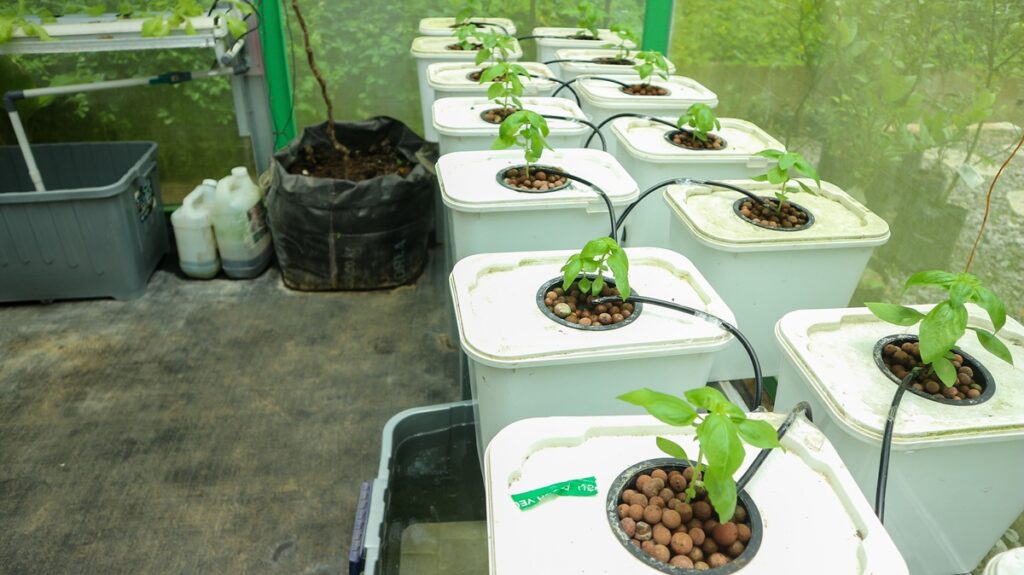
Hydroponic gardening is an innovative method of growing plants without soil, using nutrient-rich water solutions to deliver essential minerals directly to the roots. This technique has gained popularity among urban gardeners, commercial farmers, and hobbyists alike due to its efficiency and versatility. Unlike traditional soil-based cultivation, hydroponics allows for precise control over plant nutrition, leading to faster growth rates and higher yields.
Enhanced Growth Rate and Higher Yields
One of the most compelling benefits of hydroponic systems is the significantly accelerated growth rate of plants. Because nutrients are delivered directly to the roots in a readily available form, plants can absorb them more efficiently. For example, lettuce grown hydroponically can reach harvest maturity in approximately 30 days, compared to 45-60 days in soil. Similarly, herbs like basil and mint often mature in just 3-4 weeks, allowing for multiple harvests within a single growing season.
This rapid growth translates into higher yields per square foot. Commercial hydroponic farms can produce several times more produce than traditional farms on the same amount of land. For instance, vertical hydroponic farms in urban environments can yield hundreds of pounds of greens and herbs per month, making them highly productive and economically viable.
Water Efficiency and Conservation
Hydroponic systems are inherently more water-efficient than traditional soil gardening. Since water is recirculated within closed systems, they use up to 90% less water. For example, in a typical hydroponic setup, water is delivered directly to the roots via drip or ebb-and-flow systems, minimizing evaporation and runoff. This is especially advantageous in arid regions or areas facing water scarcity, where conserving water is critical.
Additionally, the precise control over water delivery reduces waste and prevents overwatering, which can lead to root rot and other issues in soil-based gardens. This efficient use of water not only benefits the environment but also reduces the cost and effort associated with watering your garden.
Reduced Use of Pesticides and Herbicides
Growing plants hydroponically significantly diminishes the need for chemical pesticides and herbicides. Since the environment is controlled and the plants are often grown indoors or in protected environments, the risk of pest infestations and weed growth is minimized. For example, hydroponic tomato growers often report fewer pest problems compared to traditional soil farms, reducing the reliance on chemical interventions.
This cleaner approach results in healthier produce that is free from pesticide residues, making it safer for consumption. It also aligns with organic gardening principles, as many hydroponic systems can be managed without synthetic chemicals, provided proper pest management practices are followed.
Space Efficiency and Urban Farming Opportunities
Hydroponic systems are highly adaptable to small spaces, making them ideal for urban environments where land is limited. Vertical farming techniques, such as stacking multiple layers of plants in a controlled environment, maximize space utilization. For example, a single 4×4-foot hydroponic tower can produce a substantial amount of leafy greens, herbs, and even strawberries.
This space efficiency enables city dwellers to grow fresh produce on balconies, rooftops, or in basements, reducing dependence on store-bought vegetables and supporting local food systems. Urban hydroponic farms can also be integrated into community centers, schools, and commercial buildings, promoting sustainable food production in densely populated areas.
Consistent Quality and Year-Round Production
Unlike traditional gardening, which is heavily influenced by weather and seasonal changes, hydroponic systems provide a stable environment for plant growth. By controlling factors such as light, temperature, humidity, and nutrient levels, growers can produce high-quality crops consistently throughout the year.
This consistency is particularly beneficial for commercial growers who supply restaurants and grocery stores with fresh produce. For example, hydroponic strawberry farms can produce ripe, sweet berries in winter months when outdoor cultivation is impossible, ensuring a steady supply of fresh fruit regardless of the season.
Reduced Soil-Borne Diseases and Pests
Soil-borne diseases, such as root rot, fusarium wilt, and nematodes, are common challenges in traditional gardening. Hydroponic systems eliminate soil altogether, thereby reducing the risk of these diseases. This results in healthier plants and less need for chemical treatments.
Moreover, the sterile environment of indoor hydroponic setups minimizes pest infestations, reducing the need for pesticides and making pest management more straightforward. For example, basil and lettuce grown hydroponically often exhibit fewer pest problems compared to their soil-grown counterparts.
Environmental Benefits and Sustainability
Hydroponic gardening offers several environmental advantages. Its water efficiency reduces strain on local water sources, and the ability to grow food in urban areas cuts down on transportation emissions associated with food miles. Additionally, hydroponic systems can be powered by renewable energy sources, further decreasing their carbon footprint.
Many hydroponic farms also incorporate sustainable practices such as composting plant waste, recycling nutrient solutions, and using organic inputs. These practices contribute to a more sustainable food production system that minimizes environmental impact.
Cost Savings and Economic Advantages
While initial setup costs for hydroponic systems can be higher than traditional gardening, the long-term savings are substantial. Faster crop cycles mean more harvests per year, increasing profitability for commercial growers. Additionally, reduced water and chemical usage lower operational costs.
Home gardeners can also benefit financially by growing their own herbs, vegetables, and fruits, saving money on grocery bills. For example, a small hydroponic setup for herbs like basil, cilantro, and parsley can provide fresh supplies year-round, eliminating the need to purchase these items from stores regularly.
Educational and Therapeutic Benefits
Hydroponic gardening serves as an excellent educational tool, teaching students about plant biology, sustainable agriculture, and environmental science. Schools and community programs often incorporate hydroponic systems to promote hands-on learning and foster environmental stewardship.
Furthermore, gardening has therapeutic benefits, reducing stress and promoting mental well-being. Hydroponic systems can be set up indoors, making gardening accessible to individuals with limited mobility or those living in urban apartments. The act of nurturing plants and witnessing their growth can be a rewarding and calming experience.
Conclusion: Embracing the Future of Gardening
Growing hydroponically offers a multitude of advantages that can transform your gardening experience. From faster growth and higher yields to water conservation and environmental sustainability, hydroponic systems are paving the way for a more efficient and resilient food production future. Whether you are a hobbyist looking to grow fresh herbs on your balcony or a commercial farmer aiming to maximize output, hydroponics provides a versatile and effective solution.
By embracing this innovative approach, you can enjoy fresh, healthy produce year-round while contributing to a more sustainable planet. Start exploring different hydroponic methods today and discover how this method can revolutionize your gardening journey.
Related Questions
What are the essential nutrients needed for hydroponic growing?
Hydroponic systems require a balanced mix of essential nutrients, including nitrogen, phosphorus, potassium, calcium, magnesium, and trace minerals like iron, manganese, zinc, copper, molybdenum, and boron. These nutrients are typically supplied through specially formulated hydroponic nutrient solutions. Proper nutrient management ensures healthy plant growth and high yields, making it crucial to monitor and adjust nutrient levels regularly.
How do I prevent root diseases in a hydroponic system?
Preventing root diseases in hydroponics involves maintaining clean equipment, ensuring proper oxygenation of the nutrient solution, and avoiding stagnant water. Using sterilized or filtered water and regularly cleaning the system can reduce pathogen buildup. Additionally, maintaining optimal pH and nutrient levels helps promote healthy roots and prevent conditions that favor disease development.
Can I grow all types of plants hydroponically?
While many plants can be grown hydroponically, some are better suited than others. Leafy greens, herbs, and certain vegetables like tomatoes and peppers thrive in hydroponic systems. However, root crops like carrots and potatoes are more challenging due to their growth habits. It’s important to research specific plant requirements before starting a hydroponic garden to ensure success.
