Instant Answer: Many plants can grow in hydroponics, including leafy greens like lettuce, spinach, and kale, as well as herbs such as basil, mint, and cilantro. Fruit-bearing plants like tomatoes, strawberries, and peppers also thrive in hydroponic systems. Additionally, cucumbers, eggplants, and certain flowers can be successfully cultivated hydroponically. Hydroponics allows for efficient nutrient delivery, making it suitable for a wide variety of plants, especially those with high water and nutrient needs.
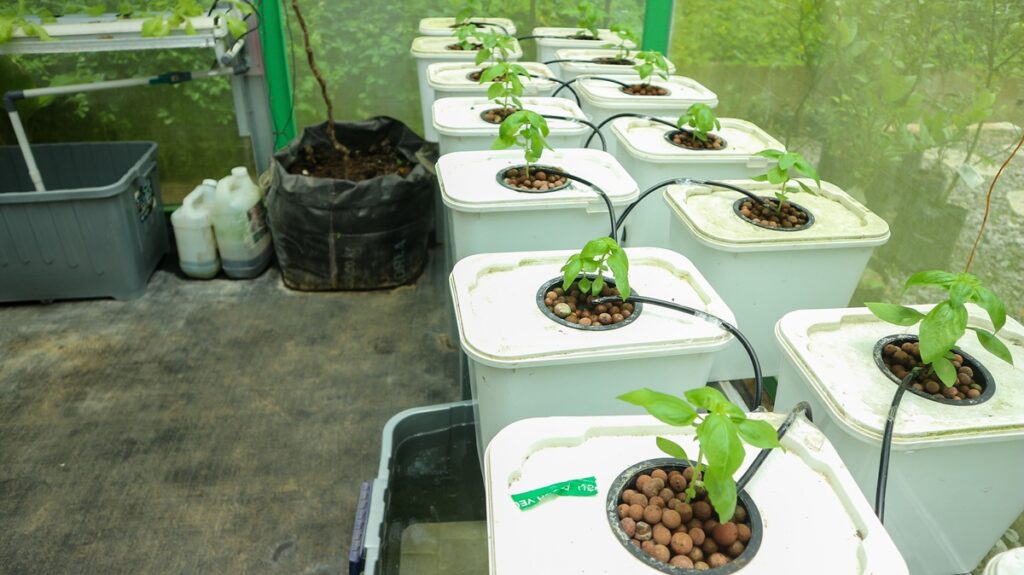
Table of Contents
- Balance Flavor and Results with Hydroponics
- Understanding the Basics of Hydroponic Systems
- Optimizing Nutrient Solutions for Superior Flavor
- Controlling Light, Temperature, and Humidity for Flavor Enhancement
- Implementing Proper Pruning and Harvesting Techniques
- Maintaining Cleanliness and Disease Prevention
- Experimenting and Adapting for Unique Flavors
- Conclusion: Achieving the Perfect Balance
- Other Questions People Ask
- What are the main advantages of hydroponic gardening?
- What are the common types of hydroponic systems?
- What nutrients are essential for hydroponic plants?
Balance Flavor and Results with Hydroponics
Hydroponics offers a vibrant, soil-free way to cultivate a diverse array of plants, from crisp lettuce and fragrant herbs to juicy tomatoes and sweet strawberries. The system’s precise nutrient delivery ensures each plant receives exactly what it needs, often resulting in faster growth and higher yields than traditional soil gardening. With the ability to control environmental factors more tightly, growers can fine-tune flavor profiles while maximizing results, creating a lush, productive oasis even in limited spaces. This method not only conserves water but also opens up new possibilities for fresh, homegrown produce year-round.
Understanding the Basics of Hydroponic Systems
Before diving into specific techniques, it’s essential to understand the fundamental types of hydroponic systems. Each system offers unique advantages and challenges, influencing flavor development and crop results.
- Nutrient Film Technique (NFT): This system involves a thin film of nutrient-rich water flowing over the roots, providing constant access to nutrients. It’s ideal for leafy greens like lettuce and herbs, which thrive in quick-growing environments.
- Deep Water Culture (DWC): Plants are suspended in a nutrient solution with their roots submerged directly in the water. This setup promotes rapid growth and is suitable for crops like tomatoes and peppers.
- Flood and Drain (Ebb and Flow): The grow tray is periodically flooded with nutrient solution and then drained, mimicking natural watering cycles. It’s versatile and supports a wide range of plants, including strawberries and cucumbers.
- Aeroponics: Roots hang in the air and are misted with nutrient solution at regular intervals. This highly oxygenated environment can produce exceptional flavor profiles, especially in herbs like basil and mint.
Choosing the right system depends on your space, budget, and the crops you wish to grow. Each system’s design influences root oxygenation, nutrient uptake, and ultimately, flavor development.
Optimizing Nutrient Solutions for Superior Flavor
The foundation of any successful hydroponic garden is a well-balanced nutrient solution. The key to enhancing flavor lies in tailoring these nutrients to meet the specific needs of your plants at each growth stage.
For example, herbs such as basil and cilantro flourish with a slightly lower nitrogen concentration during flowering, which encourages aromatic compound development. Conversely, leafy greens like lettuce benefit from higher nitrogen levels to promote lush, tender leaves.
Use high-quality, pre-mixed hydroponic nutrients or create your own blends, ensuring they contain essential macro- and micronutrients such as nitrogen (N), phosphorus (P), potassium (K), calcium, magnesium, and trace elements like iron, manganese, and zinc. Regularly monitor the pH of your solution, maintaining it between 5.5 and 6.5, to optimize nutrient availability.
Adjusting the nutrient concentration (EC or electrical conductivity) can also influence flavor intensity. Slightly lower EC levels can produce more delicate, nuanced flavors, especially in herbs, while higher EC levels may boost overall plant vigor but risk overpowering subtle tastes.
Controlling Light, Temperature, and Humidity for Flavor Enhancement
Environmental factors play a crucial role in flavor development. In hydroponic systems, you have the advantage of precisely controlling these conditions to maximize taste and crop quality.
- Light: Use full-spectrum LED grow lights that mimic natural sunlight. For herbs like basil and mint, 14-16 hours of light per day encourages vigorous growth and aromatic compound synthesis. Adjust light intensity based on plant stage—more intense light during flowering can enhance flavor concentration.
- Temperature: Maintain daytime temperatures between 70-75°F (21-24°C) and slightly cooler nights around 60-65°F (15-18°C). Cooler night temperatures can increase the concentration of essential oils in herbs, resulting in more potent flavors.
- Humidity: Keep relative humidity around 50-60%. Too high humidity can promote mold and dilute flavors, while too low can stress plants, reducing aromatic compound production.
By fine-tuning these environmental parameters, you can produce herbs and vegetables with richer, more vibrant flavors that rival or surpass traditionally grown counterparts.
Implementing Proper Pruning and Harvesting Techniques
Pruning and harvesting are critical steps in maintaining plant health and flavor quality. Proper techniques ensure that plants allocate energy toward producing aromatic compounds and high-quality yields.
- Pruning: Regularly remove dead or yellowing leaves to prevent disease and encourage airflow. For herbs like basil, pinching off the top leaves promotes bushier growth and more concentrated flavor in the remaining foliage.
- Harvest Timing: Harvest herbs early in the morning when essential oil concentrations are at their peak. For leafy greens, pick leaves when they are young and tender for optimal flavor. For fruiting crops like tomatoes, harvest when the fruit is fully ripe and color-rich.
- Cutting Technique: Use sharp scissors or pruning shears to make clean cuts, minimizing plant stress. Leave a small portion of the stem to encourage regrowth and sustained flavor production.
Consistent, gentle harvesting not only preserves flavor but also prolongs the productive life of your plants, ensuring continuous high-quality yields.
Maintaining Cleanliness and Disease Prevention
Healthy plants produce better flavor, and preventing disease is essential in a hydroponic setup where pathogens can spread rapidly. Regularly clean your equipment, including reservoirs, tubing, and trays, with food-safe disinfectants.
Monitor plants for signs of pests or disease, such as discolored leaves, mold, or unusual spots. Introducing beneficial insects like ladybugs or using organic pest control methods can help manage common pests without compromising flavor quality.
Good airflow, proper spacing, and maintaining optimal humidity levels reduce the risk of mold and mildew, which can negatively impact taste and crop health.
Experimenting and Adapting for Unique Flavors
One of the advantages of hydroponic gardening is the ability to experiment with different variables to develop unique flavor profiles. Try adjusting nutrient ratios, light spectra, or environmental conditions to see how your plants respond.
For example, increasing the amount of sulfur in your nutrient solution can enhance the pungency of garlic and onion varieties. Similarly, varying light spectra—adding more blue light—can intensify the aromatic qualities of herbs like basil and parsley.
Keep detailed records of your modifications and results to refine your approach over time. This iterative process allows you to tailor your hydroponic system to produce crops with distinctive, desirable flavors that stand out in the market or your kitchen.
Conclusion: Achieving the Perfect Balance
Balancing flavor and crop results in hydroponic gardening requires a holistic approach that considers system design, nutrient management, environmental control, and harvesting techniques. By understanding the specific needs of your plants and meticulously adjusting each factor, you can cultivate herbs, vegetables, and fruits that are not only high-yielding but also bursting with flavor.
Whether you’re growing basil for pesto, tomatoes for fresh salads, or strawberries for desserts, the principles outlined here will help you optimize your hydroponic setup for superior taste and productivity. Embrace experimentation, stay attentive to your plants’ responses, and enjoy the rewarding process of growing vibrant, flavorful crops indoors or in controlled environments.
Other Questions People Ask
How can I balance flavor and crop yield when growing plants in hydroponics?
To balance flavor and results in hydroponic gardening, focus on optimizing nutrient solutions and environmental conditions. Adjust nutrient concentrations to suit each plant’s growth stage, such as lower nitrogen for herbs during flowering. Additionally, control light, temperature, and humidity to enhance aromatic compounds and overall taste, ensuring your plants develop rich flavors without sacrificing yield.
What are the best hydroponic systems for maximizing flavor in herbs and vegetables?
Systems like aeroponics and nutrient film technique (NFT) are excellent for flavor development because they provide high oxygen levels and precise nutrient delivery. Aeroponics, in particular, allows roots to hang in the air and be misted regularly, promoting intense flavor profiles. Choose a system based on your space and crop type to achieve the best balance of flavor and results.
How can I optimize environmental factors to improve flavor in hydroponic plants?
Maintaining proper light, temperature, and humidity is crucial for flavor enhancement. Use full-spectrum LED grow lights with appropriate daily light hours, keep daytime temperatures around 70-75°F, and slightly cooler nights. Also, keep humidity levels between 50-60% to prevent mold and ensure aromatic compounds develop fully, resulting in tastier plants.