


Instant Answer: Regular maintenance of a hydroponic garden involves monitoring and adjusting nutrient levels, pH, and water temperature to ensure optimal plant growth. It is essential to clean and sterilize the system components periodically to prevent algae, mold, and disease buildup. Checking water levels and topping up with fresh, nutrient-rich solution helps maintain consistent conditions. Additionally, inspecting plants for pests or deficiencies and ensuring proper airflow and lighting support a healthy, productive system.
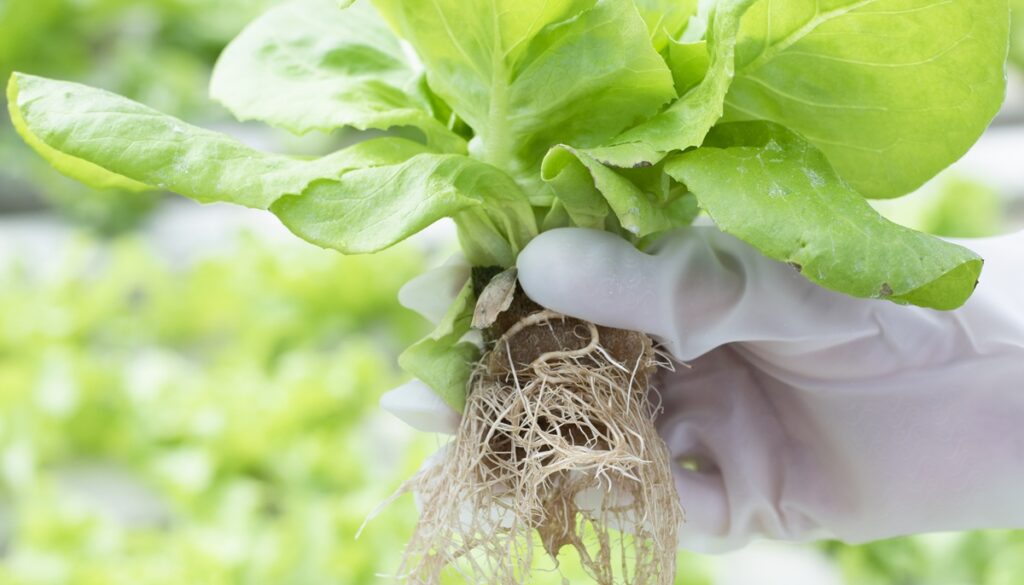
Table of Contents
- Essential Maintenance Tips for Successful Gardening Hydroponically
- Understanding Your Hydroponic System
- Regular Monitoring of Water Quality
- Routine Cleaning and System Maintenance
- Managing Nutrients Effectively
- Controlling Pests and Diseases
- Adjusting Light and Environmental Conditions
- Seasonal and Long-Term Maintenance
- Troubleshooting Common Issues
- Final Tips for Success
- Other Questions People Ask
- What are the main advantages of hydroponic gardening compared to traditional soil gardening?
- What are the common types of hydroponic systems used for home gardening?
- How do I maintain proper nutrient levels in a hydroponic system?
Essential Maintenance Tips for Successful Gardening Hydroponically
Maintaining a thriving hydroponic garden requires a keen eye for detail and a routine that keeps every component in peak condition. Regularly checking nutrient concentrations and pH levels ensures plants receive the precise balance they need to flourish, while cleaning system parts prevents the buildup of algae and mold that can threaten your crop. Topping off water reservoirs with fresh, nutrient-rich solutions keeps the environment stable, and vigilant inspection for pests or deficiencies helps catch problems before they escalate. Proper airflow and consistent lighting further support healthy growth, transforming your hydroponic setup into a resilient, productive oasis.
Understanding Your Hydroponic System
Before diving into maintenance routines, it’s essential to familiarize yourself with the specific type of hydroponic system you are using—be it nutrient film technique (NFT), deep water culture (DWC), drip systems, or aeroponics. Each system has unique components and requirements. For example, NFT systems rely on a thin film of nutrient solution flowing over the roots, necessitating careful monitoring of flow rates and channel cleanliness. DWC systems suspend plant roots in oxygenated nutrient-rich water, making oxygen levels and water quality critical. Knowing your system’s mechanics allows for targeted maintenance and troubleshooting.
Regular Monitoring of Water Quality
Maintaining optimal water quality is the cornerstone of successful hydroponic gardening. Regularly test and adjust the following parameters:
- pH Levels: Keep pH within the ideal range for your plants, typically between 5.5 and 6.5. Use a reliable pH meter or test strips to monitor levels daily, especially during the initial stages of growth or when adding new nutrients. Adjust pH with pH up or pH down solutions as needed.
- Electrical Conductivity (EC): Measure EC to assess nutrient concentration. Too high EC can cause nutrient burn, while too low may lead to deficiencies. Use an EC meter and aim for specific ranges based on plant type—e.g., 1.5-2.5 mS/cm for leafy greens.
- Temperature: Keep water temperature between 65°F and 75°F (18°C to 24°C). Higher temperatures promote algae growth and reduce oxygen solubility, while lower temperatures slow plant metabolism. Use aquarium heaters or chillers if necessary.
- Oxygenation: Ensure adequate oxygen levels in the water, especially in DWC systems. Use air stones connected to air pumps to maintain dissolved oxygen levels above 6 ppm, preventing root rot and promoting healthy root development.
Routine Cleaning and System Maintenance
Cleanliness is vital to prevent disease and ensure nutrient efficiency. Establish a regular cleaning schedule that includes:
- Reservoir Cleaning: Empty and scrub the nutrient reservoir at least once every two weeks. Use a mild bleach solution (about 10%) or hydrogen peroxide to disinfect, then rinse thoroughly to remove any residues.
- Clog Prevention: Check and clear drippers, emitters, and tubing from blockages caused by mineral deposits or algae. Use a vinegar solution to dissolve mineral buildup and flush the system with clean water.
- Filter Replacement: Replace or clean filters regularly to prevent debris from clogging the system and to maintain water flow.
- Root Inspection: Periodically examine roots for signs of rot, pests, or disease. Healthy roots should be white or light tan and firm. Remove any diseased roots promptly to prevent spread.
Managing Nutrients Effectively
Proper nutrient management is crucial for optimal plant growth. Use high-quality hydroponic nutrients formulated specifically for soilless systems. Follow manufacturer instructions carefully, but also observe your plants for signs of deficiencies or excesses:
- Nutrient Solution Preparation: Mix nutrients in the correct ratios, ensuring thorough dissolution. Use a clean container and avoid contamination.
- Adjusting Nutrients: Increase or decrease nutrient concentrations based on plant growth stage. For example, seedlings require lower nutrient levels, while flowering plants need higher potassium and phosphorus.
- Monitoring for Deficiencies: Yellowing leaves may indicate nitrogen deficiency, while purple stems can suggest phosphorus deficiency. Address these issues promptly with targeted nutrient adjustments.
- Preventing Nutrient Imbalances: Regularly check EC and pH to prevent imbalances that can hinder nutrient uptake.
Controlling Pests and Diseases
Although hydroponic systems reduce soil-borne pests, airborne pests and diseases can still pose threats. Implement integrated pest management strategies:
- Preventative Measures: Use insect screens on ventilation openings and maintain cleanliness to deter pests like aphids, whiteflies, and spider mites.
- Biological Controls: Introduce beneficial insects such as ladybugs or predatory mites to naturally control pest populations.
- Monitoring: Regularly inspect plants for signs of pests or disease, such as discolored spots, webbing, or wilting.
- Organic Treatments: Use neem oil, insecticidal soaps, or other organic solutions to treat infestations without harming beneficial organisms or contaminating the system.
Adjusting Light and Environmental Conditions
Optimal lighting and environmental conditions promote vigorous growth and high yields. Ensure your grow space maintains:
- Lighting: Use full-spectrum LED grow lights or high-intensity discharge (HID) lamps, providing 12-16 hours of light daily for most vegetables and herbs. Adjust light height and intensity based on plant maturity.
- Temperature and Humidity: Maintain daytime temperatures between 70°F and 80°F (21°C to 27°C) and humidity levels around 50-70%. Use fans, heaters, or humidifiers to regulate conditions.
- Air Circulation: Good airflow reduces humidity buildup and prevents mold. Use oscillating fans to promote air movement around plants.
Seasonal and Long-Term Maintenance
For year-round hydroponic gardening, plan for seasonal adjustments:
- Lighting Adjustments: Supplement natural light with artificial lighting during shorter winter days.
- System Inspection: Check for wear and tear on pumps, tubing, and electrical components annually. Replace parts as needed to prevent failures.
- Nutrient Replenishment: Stock up on nutrients and supplies before peak growing seasons to avoid shortages.
- Record Keeping: Maintain detailed logs of water parameters, plant growth stages, and maintenance activities. This data helps identify patterns and optimize future crops.
Troubleshooting Common Issues
Despite careful maintenance, problems may arise. Here are some common issues and solutions:
- Algae Growth: Caused by excess light and nutrients in the water. Reduce light exposure, cover reservoirs, and maintain proper nutrient levels.
- Root Rot: Often due to low oxygen levels or high temperatures. Increase aeration, lower water temperature, and remove affected roots.
- Nutrient Deficiencies: Manifest as yellowing or stunted growth. Test water and adjust nutrient concentrations accordingly.
- Pest Infestation: Use organic pest control methods and maintain cleanliness to prevent recurrence.
Final Tips for Success
Consistent maintenance and attentive monitoring are key to a thriving hydroponic garden. Here are some final tips:
- Stay Organized: Keep detailed records of your system’s parameters and plant progress.
- Educate Yourself: Continuously learn about new techniques, nutrient formulations, and pest control methods.
- Be Patient: Plants may take time to adjust to changes; observe and respond thoughtfully.
- Join Communities: Engage with online forums or local gardening groups to share experiences and troubleshoot issues collaboratively.
By following these detailed maintenance practices, you can maximize the productivity and health of your hydroponic garden, enjoying fresh, home-grown produce year-round. Remember, successful hydroponic gardening combines science, observation, and patience—embrace each aspect to cultivate a vibrant and sustainable indoor or outdoor oasis.
Other Questions People Ask
Question about Essential Maintenance Tips for Successful Gardening Hydroponically …?
Regularly monitoring and adjusting pH, nutrient levels, and water temperature are key to maintaining a healthy hydroponic system. Use reliable testing tools like pH meters and EC meters to keep parameters within optimal ranges for your plants. Consistent water top-ups with nutrient-rich solutions help stabilize the environment. Additionally, inspecting roots and system components regularly prevents disease and ensures smooth operation.
What is Essential Maintenance Tips for Successful Gardening Hydroponically and why is it important?
Understanding what Essential Maintenance Tips for Successful Gardening Hydroponically entails provides a solid foundation for further learning. It encompasses both the key concepts and the role it plays in its broader context. Knowing why it matters helps you prioritize it appropriately and recognize the benefits it can offer. This perspective also guides your decisions about when and how to apply Essential Maintenance Tips for Successful Gardening Hydroponically.
How do you choose the right Essential Maintenance Tips for Successful Gardening Hydroponically?
Selecting the right Essential Maintenance Tips for Successful Gardening Hydroponically depends on your specific goals and circumstances. Consider factors such as quality, applicability, and how well it aligns with your needs. Researching options and comparing features will help you make an informed choice. Taking the time to evaluate these aspects ensures a better fit and greater success.