Quick Summary: Hydroponics is a method of growing plants without soil, using nutrient-rich water solutions to deliver essential nutrients directly to the roots. Aquaponics combines fish farming with plant cultivation in a symbiotic system, where fish waste provides nutrients for the plants, and the plants help filter and purify the water for the fish. The main difference is that hydroponics relies solely on nutrient solutions, while aquaponics integrates aquatic animals into the growing system. Both methods are sustainable and efficient, but aquaponics requires managing both plant and fish health.
Contents
- Differences Between Hydroponics and Aquaponics Systems
- Understanding Hydroponics and Aquaponics
- What Is Hydroponics?
- What Is Aquaponics?
- Key Differences in System Design
- Environmental Impact and Sustainability
- Cost and Resource Considerations
- Growth Rate and Productivity
- Challenges and Limitations
- Suitability for Different Growers
- Conclusion: Which System Is Right for You?
- Your Questions, Answered
- What are the main differences between hydroponics and aquaponics?
- Which system is more sustainable: hydroponics or aquaponics?
- Can hydroponics be used for all types of plants, or is aquaponics better for certain crops?
Differences Between Hydroponics and Aquaponics Systems
Hydroponics and aquaponics both offer innovative ways to grow food without relying on traditional soil, but they do so through fundamentally different systems. Hydroponics delivers a nutrient-rich water solution directly to plant roots, creating a controlled environment that maximizes growth efficiency. In contrast, aquaponics weaves together fish farming and plant cultivation, where fish waste provides natural fertilizer, and the plants, in turn, help keep the water clean for aquatic life. While hydroponics depends solely on engineered nutrient mixes, aquaponics introduces the challenge—and benefit—of balancing the needs of both plants and fish within a shared ecosystem. Each approach offers unique advantages, yet managing the health of multiple living components makes aquaponics a more complex, but potentially more sustainable, venture.
Understanding Hydroponics and Aquaponics
Hydroponics and aquaponics are innovative methods of growing plants that have gained popularity among urban farmers, hobbyists, and commercial growers alike. While they share similarities—such as soil-less cultivation—they differ significantly in their underlying principles, ecosystem dynamics, and maintenance requirements.
What Is Hydroponics?
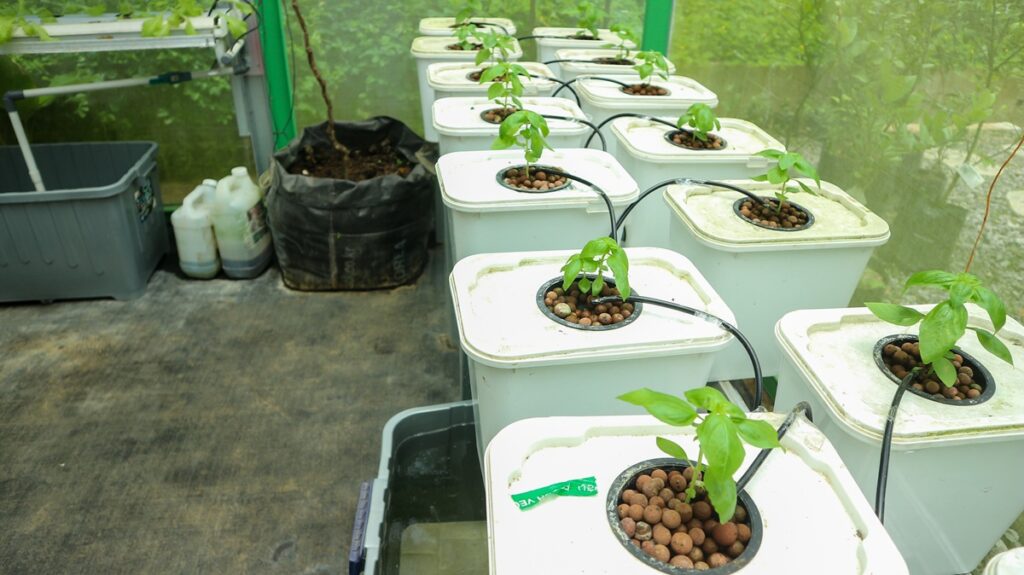
Hydroponics is a method of growing plants using nutrient-rich water solutions without soil. This technique allows for precise control over the nutrients, pH levels, and moisture content, leading to faster growth rates and higher yields compared to traditional soil gardening. For example, commercial tomato growers often use hydroponic systems to produce large quantities of high-quality fruit in controlled environments, reducing the need for pesticides and soil amendments.
Common hydroponic systems include nutrient film technique (NFT), deep water culture (DWC), and drip systems. These setups typically involve a reservoir of water infused with essential nutrients, a growing medium such as coconut coir or perlite, and a method of delivering nutrients directly to the plant roots.
What Is Aquaponics?
Aquaponics combines aquaculture—the raising of fish or other aquatic animals—with hydroponics. In this integrated system, fish produce waste that contains nutrients, which are then converted by beneficial bacteria into forms that plants can absorb. The plants, in turn, filter and purify the water, creating a sustainable cycle. This symbiotic relationship mimics natural ecosystems, making aquaponics a highly sustainable and eco-friendly method of cultivation.
Popular fish species used in aquaponics include tilapia, trout, and catfish, chosen for their hardy nature and fast growth rates. For example, a small-scale backyard aquaponic setup might feature a fish tank with tilapia, a grow bed with leafy greens like lettuce or herbs such as basil, and a biofilter to facilitate nutrient conversion.
Key Differences in System Design
- Input of Nutrients: Hydroponics relies on externally supplied nutrient solutions, which must be carefully formulated and monitored. In contrast, aquaponics depends on fish waste as the primary nutrient source, reducing the need for synthetic fertilizers.
- System Complexity: Hydroponic systems tend to be simpler to set up initially, with straightforward nutrient delivery mechanisms. Aquaponic systems require additional components such as fish tanks, biofilters, and aeration equipment to maintain a healthy aquatic environment.
- Maintenance: Hydroponics requires diligent monitoring of nutrient levels, pH, and water quality to prevent deficiencies or toxicities. Aquaponics involves managing both plant health and fish welfare, including feeding schedules, water temperature, and oxygenation.
Environmental Impact and Sustainability
Both systems are considered more sustainable than traditional soil-based agriculture because they use less water and land. Hydroponics can significantly reduce water consumption—up to 90% less—by recycling water within closed-loop systems. However, it often relies on synthetic nutrient solutions, which may have environmental implications if not managed properly.
Aquaponics, on the other hand, offers a more eco-friendly approach by utilizing fish waste as a natural fertilizer, thus minimizing the need for chemical inputs. Additionally, aquaponic systems can be integrated into urban settings, utilizing small spaces and reducing the carbon footprint associated with transporting produce. For example, urban community gardens in cities like New York and Los Angeles have successfully implemented aquaponic setups to provide fresh vegetables and fish to local residents.
Cost and Resource Considerations
Initial setup costs for hydroponic systems can vary widely depending on the complexity and scale. Small DIY setups using recycled materials might cost as little as $100, while commercial systems can run into thousands of dollars. Ongoing costs include nutrient solutions, electricity for pumps and lighting, and system maintenance.
Aquaponic systems tend to have higher upfront costs due to the need for fish tanks, biofilters, pumps, and aeration equipment. However, operational costs may be lower over time because fish can be fed with locally available or inexpensive feed, and the system produces both vegetables and fish, providing dual harvests. For example, a hobbyist aquaponic setup might cost around $500 to $1,000 to establish but can produce several pounds of fish and vegetables monthly.
Growth Rate and Productivity
Hydroponic systems typically offer faster plant growth due to the direct delivery of nutrients and optimal control over environmental conditions. For instance, lettuce grown hydroponically can be harvested in about 30 days, compared to 45-60 days in soil. Tomatoes and peppers also show increased yields and shorter maturation times.
Aquaponic systems may have slightly slower plant growth rates because nutrient availability depends on fish health and waste production. Nonetheless, they can produce high yields of leafy greens, herbs, and fruiting plants like tomatoes and cucumbers. The dual harvest of fish and vegetables can offset the slightly longer growth periods, making aquaponics a productive and sustainable choice.
Challenges and Limitations
- Hydroponics: Susceptible to nutrient imbalances, root diseases, and system failures if water quality is not maintained. It requires careful monitoring and adjustment of nutrient solutions.
- Aquaponics: More complex to manage due to the need to balance fish health with plant growth. Fish diseases can impact the entire system, and maintaining optimal water parameters for both fish and plants can be challenging.
Additionally, aquaponic systems require a learning curve to understand the biological processes involved, such as nitrogen cycling and biofilter management. Both systems demand consistent attention but offer rewarding results when properly managed.
Suitability for Different Growers
Hydroponics is ideal for growers seeking high yields, rapid crop turnover, and precise control over growing conditions. It is well-suited for commercial operations, vertical farms, and research institutions. For example, large-scale lettuce farms in California utilize hydroponic systems to produce millions of heads annually.
Aquaponics appeals to environmentally conscious growers interested in sustainability, self-sufficiency, and integrated food production. It is particularly suitable for small-scale farmers, urban dwellers, and educational projects. Schools and community centers often adopt aquaponic setups to teach students about ecology, biology, and sustainable agriculture.
Conclusion: Which System Is Right for You?
Choosing between hydroponics and aquaponics depends on your goals, resources, and level of expertise. If you prioritize simplicity, faster yields, and precise nutrient control, hydroponics may be the better choice. Conversely, if you are passionate about sustainability, enjoy managing a biological ecosystem, and want to produce both fish and vegetables, aquaponics offers a rewarding, eco-friendly alternative.
Both systems can be adapted to various scales, from small backyard setups to large commercial farms. By understanding their differences and benefits, you can select the system that best aligns with your environmental values, budget, and culinary ambitions.
Your Questions, Answered
What are the main differences between hydroponics and aquaponics?
Hydroponics involves growing plants in nutrient-rich water without soil, while aquaponics combines fish farming with plant cultivation in a symbiotic system. In aquaponics, fish waste provides nutrients for the plants, which in turn filter the water for the fish. The primary difference is that aquaponics integrates animal life, whereas hydroponics focuses solely on plant growth.
Which system is more sustainable: hydroponics or aquaponics?
Aquaponics is generally considered more sustainable because it creates a closed-loop system that recycles water and nutrients, reducing waste and water consumption. Hydroponics, while efficient, often requires external nutrient inputs and higher water usage. The sustainability of each system also depends on factors like energy use and local environmental conditions.
Can hydroponics be used for all types of plants, or is aquaponics better for certain crops?
Hydroponics is versatile and suitable for a wide range of plants, including leafy greens, herbs, and some fruits. Aquaponics is particularly effective for crops that thrive in nutrient-rich water and can tolerate the presence of fish, such as lettuce, herbs, and some vegetables. The choice depends on the specific crop requirements and the desired integration of fish and plant production.