Instant Answer: Hydroponics gardening is a method of growing plants without soil, using nutrient-rich water solutions to deliver essential nutrients directly to the plant roots. This technique allows for precise control of nutrient levels, water, and light, often resulting in faster growth and higher yields compared to traditional soil gardening. Hydroponics can be practiced indoors or outdoors and is suitable for a wide variety of plants, including vegetables, herbs, and flowers. It is an efficient, space-saving, and sustainable method of gardening that minimizes water usage and reduces the risk of soil-borne diseases.
Contents
- Benefits of Hydroponics Gardening for Faster and More Efficient Plant Growth
- Understanding Hydroponics: A Brief Overview
- Faster Growth Rates and Increased Yields
- Resource Efficiency and Sustainability
- Enhanced Control Over Growing Conditions
- Reduced Pest and Disease Pressure
- Consistent Quality and Flavor
- Challenges and Considerations
- Getting Started with Hydroponics
- Conclusion
- Popular Questions
- What is hydroponics gardening and why is it important?
- How can you get the best results with hydroponics gardening?
- What common mistakes should you avoid with hydroponics gardening?
Benefits of Hydroponics Gardening for Faster and More Efficient Plant Growth
Hydroponics gardening transforms the way we grow plants by eliminating soil and instead relying on nutrient-rich water solutions that deliver essential elements directly to the roots. This method creates an environment where plants can thrive with remarkable speed and efficiency, often outpacing traditional soil-based cultivation. With precise control over nutrients, water, and light, gardeners can optimize conditions for a wide variety of plants, from vibrant herbs to lush vegetables. Its space-saving design and sustainable water use make hydroponics an increasingly popular choice for both urban growers and those seeking a more eco-friendly approach to gardening.
Hydroponics gardening is revolutionizing the way we cultivate plants by offering a soil-less, highly controlled environment that promotes rapid and healthy growth. Unlike traditional soil-based gardening, hydroponics allows growers to optimize every aspect of plant development, resulting in significant benefits such as faster growth rates, higher yields, and resource efficiency. Whether you’re a seasoned gardener or a curious beginner, understanding the advantages of hydroponics can help you make informed decisions about your gardening practices and achieve impressive results.
Understanding Hydroponics: A Brief Overview
Hydroponics is a method of growing plants without soil, where nutrients are delivered directly to the roots through a water-based solution. This technique has been around for centuries, with early examples dating back to the Hanging Gardens of Babylon and more modern implementations in the 20th century. Today, hydroponic systems range from simple setups suitable for home use to large-scale commercial farms producing vegetables, herbs, and even flowers.
In a typical hydroponic system, plants are supported by inert mediums such as coconut coir, perlite, or clay pellets, which help anchor the roots while allowing easy access to nutrient-rich water. The precise control over water, nutrients, pH, and oxygen levels creates an ideal environment for plant growth, minimizing common issues associated with soil cultivation like pests, diseases, and nutrient deficiencies.
Faster Growth Rates and Increased Yields
One of the most compelling benefits of hydroponics is the ability to accelerate plant growth. Because nutrients are delivered directly to the roots in a readily available form, plants can absorb essential elements more efficiently than in traditional soil gardening. For example, leafy greens such as lettuce and spinach often reach harvest size in about 30 to 40 days in hydroponic systems, compared to 45 to 60 days in soil-based cultivation.
Studies have shown that hydroponically grown tomatoes can produce up to 25% more fruit per plant than their soil-grown counterparts, thanks to the optimized nutrient delivery and controlled environment. Similarly, herbs like basil and mint thrive in hydroponic setups, often reaching maturity in half the time compared to soil cultivation, with larger, more aromatic leaves.
This rapid growth not only shortens the time to harvest but also allows for multiple cropping cycles within a year, significantly increasing overall productivity. For commercial growers, this means higher profit margins and more efficient use of space and resources.
Resource Efficiency and Sustainability
Hydroponic systems are inherently more resource-efficient than traditional gardening methods. Because water is recirculated in closed-loop systems, water usage can be reduced by up to 90%, making hydroponics an environmentally friendly option, especially in arid regions or areas with limited water supplies. For instance, a hydroponic lettuce farm might use only 20 gallons of water to produce the same amount of produce that would require hundreds of gallons in soil-based farming.
Additionally, hydroponics minimizes the need for chemical fertilizers and pesticides. Since the environment is highly controlled, pests and diseases are easier to manage, reducing the reliance on chemical interventions. This results in cleaner, healthier produce that is safer for consumers and better for the environment.
Moreover, hydroponic systems can be set up vertically or in compact arrangements, maximizing space utilization. Urban farmers and small-scale growers can cultivate large quantities of produce in limited spaces, reducing the carbon footprint associated with transportation and distribution.
Enhanced Control Over Growing Conditions
One of the key advantages of hydroponics is the ability to precisely control environmental factors such as light, temperature, humidity, and nutrient levels. This level of control ensures optimal conditions for plant growth at every stage of development. For example, indoor hydroponic farms can maintain consistent temperatures around 70-75°F (21-24°C), ideal for most leafy greens and herbs, regardless of external weather conditions.
Adjusting nutrient concentrations and pH levels allows growers to tailor the feeding schedule to the specific needs of each crop, resulting in healthier plants and better yields. For instance, tomatoes require a different nutrient balance than lettuce, and hydroponic systems can be easily modified to meet these requirements.
Furthermore, environmental controls reduce the risk of pests and diseases that often plague soil-based gardens, leading to fewer crop losses and less need for chemical treatments. This controlled environment also enables year-round cultivation, providing fresh produce regardless of seasonal changes.
Reduced Pest and Disease Pressure
Traditional soil gardening often faces challenges from pests such as nematodes, beetles, and aphids, as well as soil-borne diseases like root rot and blight. Hydroponic systems eliminate many of these issues because there is no soil for pests and pathogens to inhabit. This significantly reduces the need for chemical pesticides, making hydroponic produce safer and more appealing to health-conscious consumers.
For example, basil grown hydroponically in a controlled environment is less susceptible to downy mildew and fusarium wilt, common problems in soil-based cultivation. Similarly, leafy greens are less prone to bacterial contamination when grown in sterile, nutrient-rich water solutions.
This pest and disease resistance not only improves crop quality but also reduces labor and chemical costs, making hydroponics a more sustainable and economically viable option for growers.
Consistent Quality and Flavor
Because hydroponic systems provide a stable environment with consistent nutrient delivery, the quality of produce tends to be more uniform. This consistency is especially valuable for commercial growers who need to meet strict quality standards. Additionally, the ability to fine-tune nutrient levels can enhance flavor profiles; for example, hydroponically grown herbs often have more concentrated aromas and flavors compared to soil-grown varieties.
Farmers can also manipulate environmental factors to produce specific traits, such as sweeter tomatoes or more tender lettuce, tailored to consumer preferences. This level of control results in fresher, tastier, and more visually appealing produce, which can command higher market prices.
Challenges and Considerations
While hydroponics offers numerous benefits, it is not without challenges. Initial setup costs can be higher than traditional gardening, as equipment such as pumps, reservoirs, lighting, and climate control systems are required. Additionally, managing nutrient solutions requires some technical knowledge to prevent issues like nutrient imbalances or microbial growth.
Power outages or system failures can also pose risks, potentially leading to plant stress or loss if not promptly addressed. Therefore, proper planning, regular maintenance, and backup systems are essential for successful hydroponic cultivation.
Despite these challenges, advances in automation and monitoring technology are making hydroponics more accessible and easier to manage for hobbyists and commercial growers alike.
Getting Started with Hydroponics
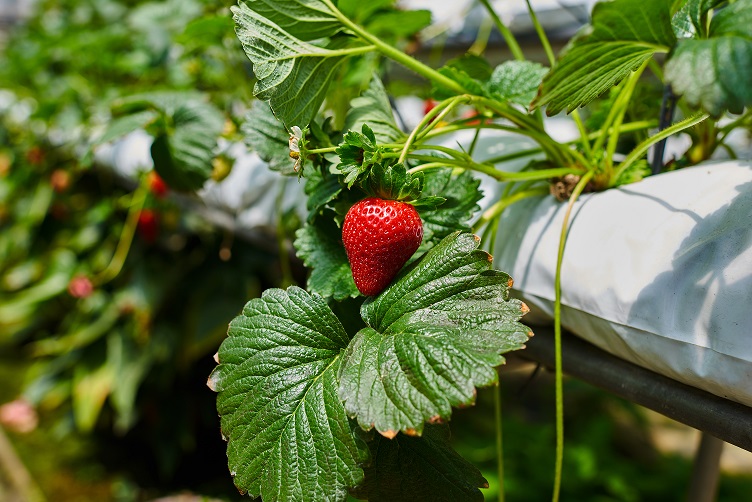
If you’re interested in exploring hydroponics, start with a simple system such as a nutrient film technique (NFT) or deep water culture (DWC) setup. These systems are relatively easy to assemble and maintain, making them ideal for beginners. You can grow a variety of crops, including lettuce, herbs, strawberries, and even small tomatoes.
Invest in quality grow lights if you’re setting up indoors, and learn about the specific nutrient requirements of your chosen plants. Regular monitoring of pH and electrical conductivity (EC) levels will help ensure optimal nutrient uptake. Many online resources and local gardening centers offer guidance on setting up and maintaining hydroponic systems.
Joining local or online hydroponics communities can provide valuable support, troubleshooting tips, and inspiration. As you gain experience, you can experiment with more advanced systems like aeroponics or vertical farms to maximize space and productivity.
Conclusion
Hydroponics gardening offers a compelling array of benefits, from faster growth and higher yields to resource efficiency and environmental sustainability. Its ability to provide precise control over growing conditions results in healthier plants, better flavor, and consistent quality. While there are initial costs and technical considerations, the long-term advantages make hydroponics an attractive option for both hobbyists and commercial growers.
By embracing this innovative approach, you can enjoy fresh, nutritious produce year-round, reduce your environmental footprint, and potentially increase your gardening success. Whether you’re looking to grow herbs on your kitchen windowsill or establish a large-scale farm, hydroponics provides a versatile and rewarding pathway to modern, efficient gardening.
Popular Questions
What is hydroponics gardening and why is it important?
Understanding what hydroponics gardening entails provides a solid foundation for further learning. It encompasses both the key concepts and the role it plays in its broader context. Knowing why it matters helps you prioritise it appropriately and recognise the benefits it can offer. This perspective also guides your decisions about when and how to apply hydroponics gardening.
How can you get the best results with hydroponics gardening?
Achieving the best results with hydroponics gardening requires clear goals and consistent practice. Start by understanding proven methods and gathering the right resources. Then follow a structured process, adapting to challenges as they arise. Focusing on quality and maintaining patience will lead to lasting success.
What common mistakes should you avoid with hydroponics gardening?
When using hydroponics gardening, people often overlook fundamental principles or skip important steps. Rushing through the process or failing to plan can lead to poor outcomes. Being aware of these common pitfalls allows you to avoid them from the start. Careful preparation and attention to detail will help you achieve the desired results.