Direct Answer: Hydroponic gardening is a method of growing plants without soil, using nutrient-rich water solutions to deliver essential nutrients directly to the plant roots. Plants are typically supported in inert mediums like rockwool or clay pellets, which hold the roots in place while the water solution circulates around them. This system allows for precise control of nutrients, water, and light, often resulting in faster growth and higher yields compared to traditional soil gardening. Hydroponics can be used indoors or outdoors and is an efficient way to grow food in limited spaces or areas with poor soil quality.
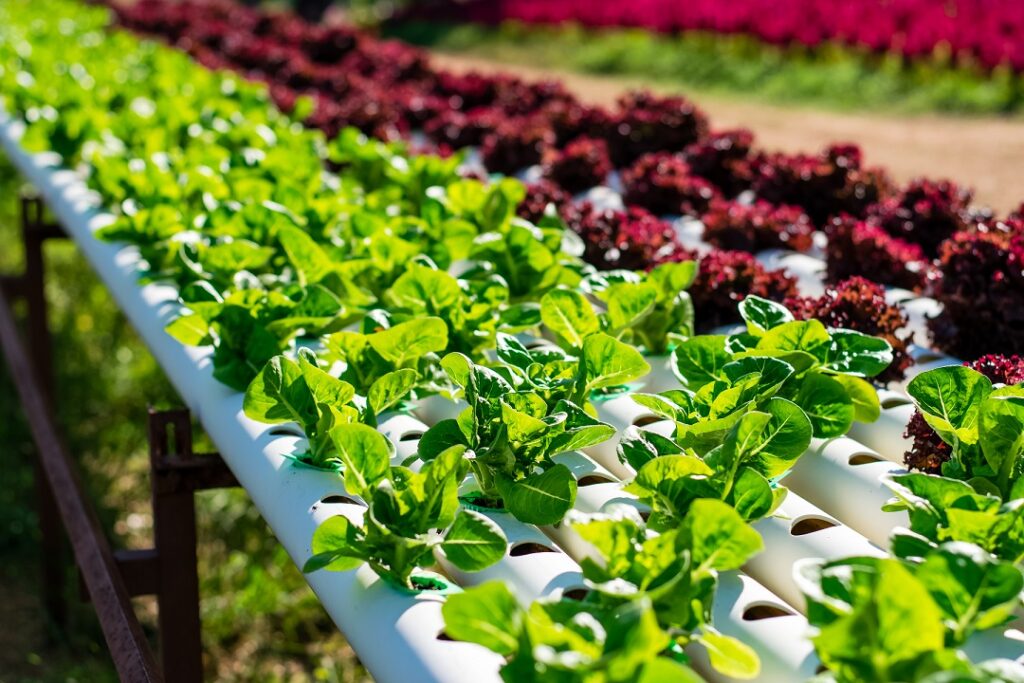
Table of Contents
- The Benefits of Hydroponic Gardening for Faster, Higher-Yield Crops
- Introduction to Hydroponic Gardening
- Why Choose Hydroponics?
- Types of Hydroponic Systems
- Setting Up Your Hydroponic Garden
- Optimizing Growth Conditions
- Common Challenges and Solutions
- Case Studies: Success Stories in Hydroponic Farming
- Environmental and Economic Benefits
- Getting Started with Hydroponics
- Conclusion
- Other Questions People Ask
- What are the main benefits of hydroponic gardening?
- What are the common types of hydroponic systems?
- How do I start a hydroponic garden at home?
The Benefits of Hydroponic Gardening for Faster, Higher-Yield Crops
Hydroponic gardening transforms the way we grow food by eliminating soil and instead relying on nutrient-rich water to nourish plants directly at their roots. This method allows for meticulous control over every element—water, nutrients, and light—creating an environment where plants can thrive more rapidly and produce bountiful harvests. With the ability to set up systems indoors or in compact outdoor spaces, hydroponics offers a practical solution for maximizing yields in limited areas or regions with poor soil quality. The precision and efficiency of this approach make it a compelling choice for both home gardeners and commercial growers seeking faster, higher-quality crops.
Introduction to Hydroponic Gardening
Hydroponic gardening is an innovative method of growing plants without soil, using nutrient-rich water solutions to deliver essential minerals directly to plant roots. This technique has gained popularity among urban farmers, hobbyists, and commercial growers due to its efficiency and potential for higher yields. Unlike traditional soil-based cultivation, hydroponics allows for precise control over environmental factors, resulting in faster growth rates and increased productivity.
Why Choose Hydroponics?
- Accelerated Growth Rates: Plants grown hydroponically often reach maturity 25-50% faster than soil-grown counterparts. For example, lettuce can be harvested in as little as 30 days, compared to 45-60 days in soil.
- Higher Yields: Because nutrients are delivered directly to the roots, plants can absorb them more efficiently, leading to larger, more abundant crops. Commercial tomato growers report yields up to 25% higher using hydroponic systems.
- Space Efficiency: Hydroponic systems can be stacked vertically or arranged in compact setups, making them ideal for urban environments with limited space.
- Water Conservation: Hydroponic systems typically use 70-90% less water than traditional farming, as water is recirculated and reused within the system.
- Reduced Pest and Disease Risks: Growing in a controlled environment minimizes exposure to soil-borne pests and diseases, reducing the need for chemical interventions.
Types of Hydroponic Systems
Understanding the different hydroponic setups can help you choose the best system for your needs:
- Nutrient Film Technique (NFT): A thin film of nutrient solution continuously flows over the roots of plants supported in a sloped channel. Ideal for leafy greens like lettuce and herbs.
- Deep Water Culture (DWC): Plant roots are suspended in a nutrient-rich oxygenated water reservoir. Suitable for larger plants such as tomatoes and peppers.
- Drip Systems: Nutrients are delivered directly to the base of each plant via drip emitters. Versatile and scalable for various plant types.
- Aeroponics: Roots hang in a closed environment and are misted with nutrient solution at regular intervals. Used in high-tech research and commercial farms.
- Wick Systems: A passive system where a wick draws nutrients from a reservoir to the plant roots. Best for small, low-maintenance plants like herbs.
Setting Up Your Hydroponic Garden
Starting a hydroponic garden involves several key steps:
- Choosing the Right System: Consider your available space, budget, and the types of plants you wish to grow. For beginners, a simple DWC or wick system is often recommended.
- Gathering Materials: Essential components include a reservoir, grow containers, a water pump (if applicable), air stones, nutrient solutions, pH testing kits, and grow lights if indoors.
- Preparing the Nutrient Solution: Use commercially available hydroponic nutrients formulated for specific plant types. Follow manufacturer instructions to mix the solution, ensuring the correct balance of nitrogen, phosphorus, potassium, and trace minerals.
- Setting Up the System: Assemble your chosen hydroponic setup, ensuring proper drainage and stability. Fill the reservoir with the prepared nutrient solution and install necessary pumps and aeration devices.
- Planting: Start with seedlings or cuttings in inert media like rockwool or coconut coir before transferring them into the hydroponic system. Maintain appropriate spacing to prevent overcrowding.
- Monitoring and Maintenance: Regularly check pH levels (ideally between 5.5 and 6.5), nutrient concentration, and water temperature. Adjust as needed to optimize plant health.
Optimizing Growth Conditions
Achieving maximum growth and yield requires attention to environmental factors:
- Lighting: For indoor systems, use full-spectrum LED grow lights that mimic natural sunlight. Ensure plants receive 12-16 hours of light daily for leafy greens and 14-18 hours for fruiting plants like tomatoes.
- Temperature and Humidity: Maintain daytime temperatures between 65-75°F (18-24°C) and humidity levels around 50-70%. Use fans and dehumidifiers to regulate indoor environments.
- Air Circulation: Proper airflow prevents mold and promotes healthy transpiration. Use oscillating fans to circulate air within indoor setups.
- CO2 Levels: Elevated CO2 can enhance photosynthesis, especially in enclosed environments. Consider CO2 enrichment if growing in a sealed space.
Common Challenges and Solutions
While hydroponics offers many benefits, it also presents unique challenges:
- Algae Growth: Excess light in reservoirs can promote algae. Cover reservoirs with opaque materials and reduce light exposure.
- Root Rot: Overwatering or poor oxygenation can lead to root diseases. Ensure adequate aeration and maintain proper water pH.
- Nutrient Imbalances: Regularly test and adjust nutrient solutions to prevent deficiencies or toxicities.
- System Clogging: Debris or mineral buildup can clog pumps and emitters. Use filters and perform routine maintenance.
Case Studies: Success Stories in Hydroponic Farming
Many commercial farms have successfully adopted hydroponic systems to maximize productivity:
- Freight Farms: This company has developed modular, container-based hydroponic farms that produce fresh greens year-round in urban environments. Their systems can yield up to 300 pounds of produce weekly from a single container.
- Mirai Co. in Japan: Pioneering aeroponic systems, Mirai grows high-quality lettuce and herbs with minimal water and land use, demonstrating the technology’s scalability and sustainability.
- Local Urban Farms: Small-scale hydroponic setups in city rooftops and basements have enabled local growers to supply fresh produce directly to consumers, reducing transportation emissions and supporting community food security.
Environmental and Economic Benefits
Hydroponic gardening not only boosts crop yields but also offers significant environmental advantages:
- Reduced Land Use: Vertical and compact systems make efficient use of limited space, preserving natural habitats.
- Lower Water Footprint: Recirculating systems drastically cut water consumption, making hydroponics suitable for arid regions.
- Decreased Pesticide Use: Controlled environments reduce pest pressures, minimizing chemical applications.
- Economic Opportunities: Hydroponic farms can operate year-round, providing consistent income streams and creating jobs in urban areas.
Getting Started with Hydroponics
If you’re inspired to begin your own hydroponic garden, start small with a simple system like a wick or DWC setup. Experiment with different crops such as basil, lettuce, or strawberries to learn what works best in your environment. Invest in quality nutrients and monitoring tools to ensure optimal growth conditions. Over time, as you gain experience, you can expand your system, incorporate automation, and even explore advanced techniques like aquaponics or vertical farming.
Conclusion
Hydroponic gardening offers a compelling solution for producing faster, higher-yield crops while conserving resources and reducing environmental impact. Its versatility makes it suitable for urban dwellers, commercial farmers, and educational institutions alike. By understanding the different systems, optimizing environmental conditions, and addressing common challenges, you can harness the full potential of hydroponics to grow fresh, nutritious food efficiently and sustainably.
Other Questions People Ask
How does hydroponic gardening help produce faster and higher-yield crops?
Hydroponic gardening allows plants to grow more quickly and produce higher yields because nutrients are delivered directly to the roots in a controlled water solution. This precise nutrient delivery enhances absorption efficiency, resulting in faster growth rates—often 25-50% quicker than traditional soil methods—and larger harvests. Additionally, the ability to optimize environmental factors like light, temperature, and humidity further boosts productivity. As a result, growers can achieve more abundant crops in less time.
What are the main advantages of using hydroponic systems for increasing crop yields?
Hydroponic systems maximize crop yields by providing plants with optimal nutrients and environmental conditions, which promotes rapid growth. They also use space more efficiently through vertical stacking or compact arrangements, making them ideal for limited areas. The recirculation of water reduces waste and conserves resources, while the controlled environment minimizes pest and disease risks. These factors combined lead to higher-quality, more abundant crops.
What steps should I follow to start a hydroponic garden at home for higher yields?
Begin by selecting a suitable hydroponic system based on your space and plant preferences, such as a deep water culture or wick system. Gather essential materials like a reservoir, grow containers, nutrient solutions, and grow lights if indoors. Prepare your nutrient solution according to manufacturer instructions, then assemble and fill your system. All in all, plant seedlings or cuttings, monitor pH and nutrient levels regularly, and adjust environmental conditions to optimize growth and maximize yields.