


Quick Take: A hydroponic system is a method of growing plants without soil, using nutrient-rich water solutions to deliver essential nutrients directly to the plant roots. The system typically involves a container or tray where plants are supported, and a water circulation mechanism that ensures continuous supply of nutrients. This method allows for faster plant growth, higher yields, and efficient use of water and space compared to traditional soil gardening. Hydroponics is used in both commercial agriculture and home gardening to produce a variety of crops.
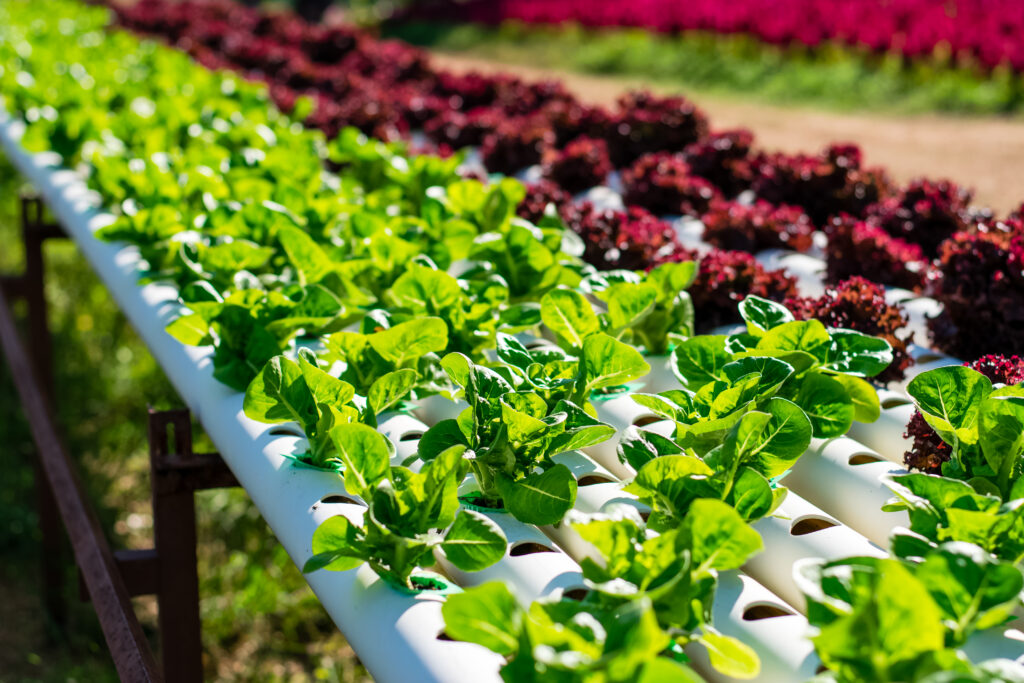
Table of Contents
- Benefits of Using a Hydroponic System for Growing Plants
- Increased Growth Rate and Higher Yields
- Efficient Use of Water and Nutrients
- Space-Saving and Versatile Growing Options
- Reduced Pest and Disease Pressure
- Environmental Sustainability and Reduced Carbon Footprint
- Year-Round Production and Food Security
- Cost-Effective and Scalable Solutions
- Enhanced Control Over Growing Conditions
- Educational and Research Opportunities
- Conclusion
- Frequently Asked Questions
- How do hydroponic systems differ from traditional soil gardening?
- What are the common challenges faced when maintaining a hydroponic system?
- What is hydroponic system and why is it important?
Benefits of Using a Hydroponic System for Growing Plants
A hydroponic system transforms the way we grow plants by eliminating soil and replacing it with a carefully balanced nutrient-rich water solution. This innovative approach allows roots to absorb nutrients directly, resulting in remarkably faster growth and higher yields than traditional soil gardening. With its efficient use of water and space, hydroponics opens up new possibilities for both urban gardeners and large-scale farmers seeking sustainable, productive solutions. The precision and control offered by hydroponic setups make cultivating a variety of crops more predictable and less dependent on unpredictable weather conditions.
Hydroponic gardening is rapidly gaining popularity among both amateur gardeners and professional farmers due to its numerous advantages over traditional soil-based cultivation. By growing plants in nutrient-rich water solutions rather than soil, hydroponic systems offer a modern, efficient, and sustainable approach to agriculture. Whether you’re interested in growing herbs on your kitchen windowsill or establishing a commercial farm, understanding the benefits of hydroponics can help you make informed decisions and optimize your gardening efforts.
Increased Growth Rate and Higher Yields
One of the most compelling benefits of hydroponic systems is the accelerated growth rate of plants. Without the need to develop extensive root systems to search for nutrients in soil, plants can allocate more energy toward foliage, flowering, and fruit production. For example, lettuce grown hydroponically can reach harvest size in approximately 30 days, compared to 45-60 days in traditional soil-based cultivation. Similarly, tomatoes grown in hydroponic setups often produce higher yields—sometimes up to 25-30% more—due to the precise control of nutrients and environmental conditions.
This rapid growth cycle allows farmers to have multiple harvests per year, increasing overall productivity and profitability. For instance, commercial hydroponic farms in the United States have reported year-round production of leafy greens and herbs, ensuring a steady supply to local markets and reducing reliance on seasonal imports.
Efficient Use of Water and Nutrients
Hydroponic systems are renowned for their water efficiency. Unlike traditional farming, where a significant portion of water is lost through runoff, evaporation, or percolation, hydroponic setups recycle water within closed systems. This can reduce water consumption by up to 90%, making it an ideal solution in arid regions or areas facing water scarcity.
Furthermore, nutrients are delivered directly to the plant roots in precise amounts, minimizing waste and environmental runoff. For example, in a nutrient film technique (NFT) hydroponic system, a thin film of nutrient-rich water continuously flows over the roots, ensuring consistent access to essential minerals like nitrogen, phosphorus, and potassium. This targeted delivery results in healthier plants with fewer deficiencies and pests, reducing the need for chemical interventions.
Space-Saving and Versatile Growing Options
Hydroponic systems are highly adaptable and can be set up in a variety of environments, from small indoor spaces to large commercial greenhouses. Vertical hydroponic farms utilize stacking racks or towers, maximizing space and allowing for high-density planting. For example, urban farmers in cities like New York and Tokyo have successfully implemented vertical farms that produce fresh vegetables within limited footprints, reducing transportation costs and carbon emissions.
This versatility makes hydroponics suitable for urban dwellers with limited outdoor space, as well as for educational institutions and community gardens seeking to teach sustainable agriculture practices. Additionally, hydroponic systems can be tailored to grow a wide range of crops, including leafy greens, herbs, strawberries, and even root vegetables like carrots and radishes, depending on the system design.
Reduced Pest and Disease Pressure
Growing plants in a soil-free environment significantly diminishes the risk of soil-borne pests and diseases. Common issues such as root rot, nematodes, and fungal infections are less prevalent in hydroponic setups, leading to healthier plants and reduced reliance on chemical pesticides. For example, hydroponic basil and lettuce are often less affected by pests like aphids and whiteflies, which are common in traditional outdoor cultivation.
Moreover, because hydroponic systems are typically housed indoors or within controlled environments, growers can implement strict sanitation protocols and environmental controls to further minimize pest outbreaks. This not only results in cleaner produce but also aligns with organic and sustainable farming practices, appealing to health-conscious consumers.
Environmental Sustainability and Reduced Carbon Footprint
Hydroponic farming contributes to environmental sustainability in several ways. By optimizing resource use, it reduces the need for large-scale land clearing, which can lead to habitat destruction and soil erosion. Additionally, hydroponic systems often utilize renewable energy sources, such as solar power, to operate lighting and pumps, further decreasing their carbon footprint.
In regions where traditional agriculture may deplete local water sources or degrade soil quality, hydroponics offers a sustainable alternative that preserves natural resources. For example, research from the U.S. Department of Agriculture indicates that hydroponic systems can produce higher yields with less water and land, making them a viable solution for feeding a growing global population while conserving the environment.
Year-Round Production and Food Security
One of the most significant advantages of hydroponic systems is the ability to grow crops year-round, regardless of seasonal weather variations. This continuous production capability ensures a stable food supply, especially in regions with harsh climates or limited arable land. For instance, hydroponic tomato farms in Scandinavian countries operate throughout the winter months, providing fresh produce when outdoor farming is impossible.
This consistent output enhances food security and reduces dependence on imported produce, which can be subject to delays and price fluctuations. Additionally, local hydroponic farms can supply fresh, nutritious food directly to communities, reducing transportation emissions and supporting local economies.
Cost-Effective and Scalable Solutions
While initial setup costs for hydroponic systems can be higher than traditional gardening, the long-term savings and increased productivity often outweigh these expenses. The reduced need for soil, pesticides, herbicides, and water translates into lower operational costs. For example, small-scale hydroponic kits for home use can be purchased for under $100, making them accessible to hobbyists and educational institutions.
On a larger scale, scalable hydroponic systems can be expanded to meet the demands of commercial agriculture. Modular designs allow farmers to add more units as needed, facilitating gradual investment and growth. This scalability makes hydroponics an attractive option for startups and established farms aiming to increase output without significant land acquisition.
Enhanced Control Over Growing Conditions
Hydroponic systems provide growers with precise control over environmental factors such as light, temperature, humidity, and nutrient levels. This control results in optimal growing conditions that can be fine-tuned for specific crops. For example, LED grow lights can be adjusted to provide the ideal spectrum for leafy greens, while climate control systems maintain consistent temperatures in indoor setups.
This level of control reduces the variability caused by external weather conditions, leading to more predictable harvests and higher-quality produce. It also allows for experimentation with different crop varieties and growing techniques, fostering innovation in agricultural practices.
Educational and Research Opportunities
Hydroponic systems serve as excellent educational tools for teaching sustainable agriculture, biology, and environmental science. Schools and universities can incorporate hydroponic setups into their curricula to demonstrate plant biology, nutrient cycles, and the importance of resource conservation. For example, students can learn about the effects of different nutrient concentrations on plant growth or experiment with different lighting conditions.
Research institutions also utilize hydroponics to study plant responses to various environmental stresses, develop new crop varieties, and test sustainable farming techniques. The controlled environment of hydroponic systems accelerates research timelines and provides valuable data that can be applied to traditional agriculture.
Conclusion
In closing, hydroponic systems offer a multitude of benefits that make them an increasingly popular choice for sustainable and efficient plant cultivation. From faster growth rates and higher yields to water conservation and environmental sustainability, hydroponics addresses many of the challenges faced by traditional farming. Its versatility allows for innovative urban farming, year-round production, and educational opportunities, making it a vital component of future food systems.
As technology advances and costs decrease, adopting hydroponic methods can help individuals and communities grow healthier food, reduce environmental impact, and build resilient agricultural practices for generations to come.
Frequently Asked Questions
How do hydroponic systems differ from traditional soil gardening?
Hydroponic systems grow plants without soil, using a nutrient-rich water solution to deliver essential nutrients directly to the roots. This method often results in faster plant growth and higher yields compared to traditional soil gardening. Additionally, hydroponics typically requires less space and water, making it more efficient and suitable for urban or indoor environments.
What are the common challenges faced when maintaining a hydroponic system?
Common challenges include maintaining proper pH and nutrient levels, preventing root diseases, and managing algae growth. Regular monitoring and adjustments are necessary to ensure optimal plant health. Additionally, system failures or clogs can disrupt nutrient flow, so consistent maintenance and troubleshooting are essential for successful hydroponic gardening.
What is hydroponic system and why is it important?
Understanding what hydroponic system entails provides a solid foundation for further learning. It encompasses both the key concepts and the role it plays in its broader context. Knowing why it matters helps you prioritise it appropriately and recognise the benefits it can offer. This perspective also guides your decisions about when and how to apply hydroponic system.
People Also Ask
How does using a hydroponic system benefit plant growth compared to traditional soil gardening?
Hydroponic systems promote faster plant growth because nutrients are delivered directly to the roots in a controlled environment, allowing plants to allocate more energy toward foliage and fruit production. This results in shorter cultivation cycles and higher yields, often with multiple harvests per year. The precise control over nutrients and environmental conditions makes plant growth more predictable and efficient. Overall, hydroponics significantly enhances productivity over traditional soil gardening.
What advantages does a hydroponic system offer in terms of water and nutrient efficiency?
Hydroponic systems recycle water within closed setups, reducing water consumption by up to 90% compared to traditional farming. Nutrients are delivered directly to the plant roots in exact amounts, minimizing waste and environmental runoff. This targeted approach ensures healthier plants with fewer deficiencies and pests, making hydroponics an environmentally sustainable choice. It is especially beneficial in arid regions or areas with limited water resources.
Why is a hydroponic system suitable for urban gardening and limited spaces?
Hydroponic systems are highly adaptable and can be set up vertically or in small indoor environments, maximizing space efficiency. Vertical farms and stacking racks allow for high-density planting, making them ideal for urban areas with limited outdoor space. This versatility enables city dwellers and educational institutions to grow a variety of crops year-round, reducing transportation costs and supporting local food production. Hydroponics offers a scalable solution for sustainable urban agriculture.