


Key Takeaway: Suitable crops for hydroponic cultivation include leafy greens like lettuce, spinach, and kale, which grow quickly and have high yields. Herbs such as basil, mint, and cilantro also thrive in hydroponic systems due to their compact size and fast growth. Fruit-bearing plants like tomatoes, strawberries, and peppers are popular choices because they can be efficiently grown indoors with controlled conditions. Root vegetables like radishes and carrots are less common but can be cultivated hydroponically with specialized systems.
Article Guide
- Top Crops for Successful Hydroponic Growing
- Introduction to Hydroponic Cultivation
- Why Choose the Right Crops?
- Popular Hydroponic Crops
- Leafy Greens
- Herbs
- Fruiting Vegetables
- Specialty Crops
- Factors to Consider When Selecting Crops
- Conclusion
- Frequently Asked Questions
- What are the main benefits of hydroponic growing?
- What types of plants are best suited for hydroponic systems?
- How do I maintain a hydroponic system to ensure healthy plant growth?
Top Crops for Successful Hydroponic Growing
Hydroponic growing opens up a world of possibilities for cultivating a diverse array of crops in a controlled environment, making it an appealing choice for both urban farmers and seasoned gardeners. Leafy greens like lettuce, spinach, and kale flourish in these systems, offering quick harvests and abundant yields that keep the garden productive year-round. Aromatic herbs such as basil, mint, and cilantro thrive in compact spaces, their rapid growth making them staples for fresh culinary use. For those seeking to grow fruit-bearing plants indoors, tomatoes, strawberries, and peppers stand out as reliable options, their vibrant produce thriving under carefully managed conditions. While less common, root vegetables like radishes and carrots can also be successfully grown hydroponically with the right setup, adding variety to the indoor garden.
Introduction to Hydroponic Cultivation
Hydroponics is a soilless method of growing plants that relies on nutrient-rich water solutions to deliver essential minerals directly to the roots. This innovative approach allows for efficient use of space, water, and nutrients, making it an ideal choice for urban gardeners, commercial growers, and hobbyists alike. With the right crop selection, hydroponic systems can yield impressive harvests year-round, regardless of outdoor climate conditions.
Why Choose the Right Crops?
Not all plants thrive equally in hydroponic setups. Selecting crops that are well-suited to this environment ensures higher yields, better quality produce, and more manageable maintenance. Factors influencing crop success include growth rate, nutrient requirements, space considerations, and market demand. By focusing on crops proven to perform well hydroponically, growers can optimize their efforts and maximize profitability.
Popular Hydroponic Crops
Below are some of the most successful and widely cultivated crops in hydroponic systems, supported by extensive research and commercial success stories.
Leafy Greens
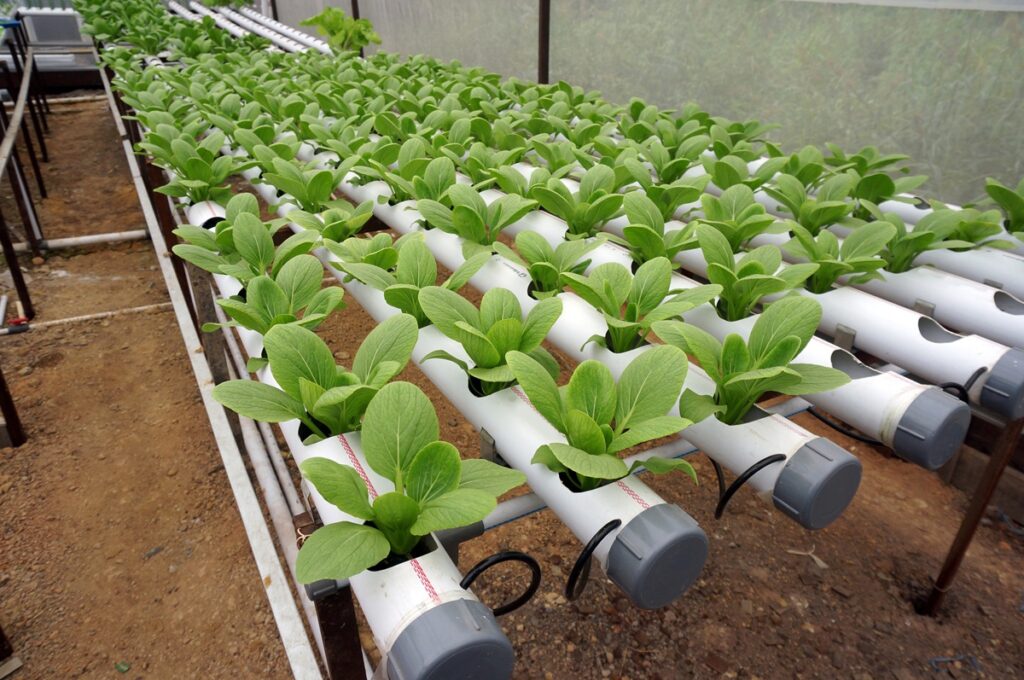
- Lettuce: One of the most common hydroponic crops, lettuce varieties such as Romaine, Butterhead, and Iceberg flourish in nutrient film technique (NFT) and deep water culture (DWC) systems. They mature quickly, often within 30-45 days, allowing for multiple harvests per year. For example, urban farms in New York City have successfully grown lettuce hydroponically, supplying local restaurants with fresh, crisp greens year-round.
- Spinach: Rich in iron and vitamins, spinach adapts well to hydroponic environments. Its rapid growth cycle, typically 35-45 days, makes it a favorite among growers. Hydroponic spinach is often used in salads, smoothies, and cooked dishes, with commercial operations supplying grocery stores across the country.
- Kale: Known for its nutritional density, kale thrives in NFT systems. Its tolerance to varying nutrient levels and relatively low maintenance requirements make it an excellent choice for beginners. Many urban farms report kale yields of up to 10 pounds per square foot annually.
Herbs
- Basil: A staple in Italian cuisine, basil grows vigorously in hydroponic systems, often reaching harvestable size within 3-4 weeks. Hydroponic basil is prized for its vibrant flavor and aroma, with commercial growers supplying fresh herbs to supermarkets and restaurants.
- Cilantro: With a relatively short growth cycle of 4-6 weeks, cilantro adapts well to hydroponic cultivation. Its high demand in culinary applications makes it a profitable crop for small-scale and commercial growers.
- Parsley: This versatile herb can be harvested multiple times, with mature plants providing continuous leaves for up to 8 weeks. Hydroponic parsley is often used fresh in salads, garnishes, and cooking.
Fruiting Vegetables
- Tomatoes: One of the most lucrative hydroponic crops, tomatoes require a controlled environment with adequate support structures. Varieties such as cherry, heirloom, and beefsteak thrive in drip irrigation and NFT systems. Successful commercial tomato hydroponic farms report yields of over 20 pounds per plant annually, with consistent quality and flavor.
- Cucumbers: These vining plants flourish in hydroponic setups, especially in vertical systems that maximize space. They have a rapid growth cycle of approximately 50-70 days and produce high yields, making them a popular choice for market growers.
- Bell Peppers: With proper nutrient management, hydroponic bell peppers can produce large, colorful fruits in 70-90 days. Their high market value and consumer demand make them an attractive crop for commercial operations.
Specialty Crops
Beyond common vegetables and herbs, hydroponic systems can support a variety of specialty crops that cater to niche markets.
- Microgreens: These young vegetable greens are harvested within 7-21 days and are highly valued for their intense flavor and nutritional content. Microgreens such as radish, sunflower, and basil are popular in fine dining and health-conscious markets.
- Strawberries: Hydroponic strawberries can be grown vertically, saving space and reducing disease risk. They typically mature in 4-6 months and can be harvested multiple times per season, offering high profitability.
- Edible Flowers: Nasturtiums, pansies, and marigolds are cultivated hydroponically for use in salads, garnishes, and culinary presentations. Their aesthetic appeal and flavor profiles add value to gourmet markets.
Factors to Consider When Selecting Crops
Choosing the right crops involves evaluating several key factors:
- Growth Rate: Faster-growing crops like lettuce and microgreens allow for quicker turnover and more frequent harvests.
- Nutrient Requirements: Some plants, such as tomatoes and peppers, require more complex nutrient formulations, while leafy greens have simpler needs.
- Space and System Compatibility: Vining plants like cucumbers and strawberries may need vertical support, whereas compact crops like herbs and microgreens are suitable for small or tabletop systems.
- Market Demand: Growing crops with high consumer interest, such as heirloom tomatoes or organic herbs, can improve profitability.
- Climate Control: Crops like basil and strawberries benefit from controlled temperature and humidity, which hydroponic systems can provide effectively.
Conclusion
Successful hydroponic cultivation hinges on selecting crops that align with your system’s capabilities, market needs, and personal preferences. Leafy greens, herbs, and certain fruiting vegetables are proven winners, offering quick returns and high yields. Specialty crops like microgreens and strawberries open additional avenues for niche markets and premium pricing. By understanding the specific requirements and growth characteristics of each crop, growers can optimize their hydroponic systems for maximum productivity and profitability.
Whether you are a beginner or an experienced grower, experimenting with a variety of crops can help identify what works best in your environment. Remember to monitor nutrient levels, maintain optimal environmental conditions, and stay informed about new varieties and cultivation techniques to keep your hydroponic farm thriving.
Frequently Asked Questions
What are the main benefits of hydroponic growing?
Hydroponic growing allows for faster plant growth and higher yields compared to traditional soil gardening. It uses less water because the nutrient solution is recirculated, making it more environmentally friendly. Additionally, it reduces the risk of soil-borne diseases and pests, leading to healthier plants and less need for chemical treatments.
What types of plants are best suited for hydroponic systems?
Leafy greens like lettuce, spinach, and kale thrive well in hydroponic systems due to their quick growth cycles. Herbs such as basil, mint, and cilantro also grow efficiently in hydroponic setups. Fruit-bearing plants like tomatoes and peppers can be successfully cultivated with proper nutrient management and support structures.
How do I maintain a hydroponic system to ensure healthy plant growth?
Regular monitoring of pH levels and nutrient concentrations is essential to keep plants healthy. It’s important to change the nutrient solution periodically to prevent the buildup of salts and pathogens. Ensuring proper lighting, airflow, and water circulation also helps promote optimal growth conditions in a hydroponic system.
