Prioritizing the right storage conditions is crucial. Water should be kept in a cool, dark place to minimize the risk of algae growth and degradation of the container material. Additionally, it’s essential to rotate stored water every six months to ensure freshness. Many individuals overlook this aspect, mistakenly believing that water can be stored indefinitely without adverse effects. In reality, environmental factors such as light and temperature can quickly compromise the quality of your stored water.
Another common mistake is neglecting to check the integrity of the containers regularly. Over time, even food-grade containers can develop cracks or leaks, leading to contamination or loss of water. Therefore, periodic inspections and replacements of water storage containers should be part of a maintenance routine. Understanding these nuances helps prioritize effective water storage solutions, ensuring that your water supply remains potable for extended periods.
Choosing the Right Containers
The selection of containers is paramount when considering long-term water storage. The best options are food-grade plastic or glass containers that are specifically designed for storing potable water. These materials are less likely to leach harmful chemicals into the water compared to other types of plastics. Additionally, glass is non-reactive and can be stored for extended periods without degrading, making it an excellent choice for long-term storage.
When selecting containers, prioritize size and shape. Smaller containers (1-5 gallons) are easier to handle and rotate, while larger containers can minimize the number of refills required. Ensure that the containers have secure lids to prevent contamination and evaporation. A common oversight is choosing containers that are not adequately sealed, which can lead to contamination from dust or insects. Understand that your choice in container greatly influences the safety and longevity of your water supply.
What many people fail to realize is that even new containers need to be rinsed thoroughly before use. Residual manufacturing materials can taint the water, leading to undesirable tastes or health risks. Always inspect containers for any signs of damage or wear before filling them with water, as compromised containers can lead to leaks and contamination over time.
Optimal Storage Conditions
Proper storage conditions play a crucial role in maintaining water quality over long periods. Water should ideally be stored in a cool, dark environment to prevent the growth of bacteria and algae. Excessive heat and light can encourage microbial growth and degrade the containers, particularly if they are made from plastic. Therefore, basements or dark cabinets are often the best locations for storing water.
In real-world scenarios, many people opt to store water in garages or attics, exposing it to temperature fluctuations and sunlight. This mistake can compromise water quality. A practical step is to use opaque containers to block light and place them in insulated coolers or shaded areas to maintain a stable temperature. This approach helps mitigate the adverse effects of environmental factors that most people underestimate.
Furthermore, it’s essential to avoid placing water containers directly on concrete floors, as this can lead to chemical leaching from the concrete. Instead, use pallets or shelves to elevate the containers. Many overlook this detail, thinking that concrete is merely a solid surface. However, prolonged contact can lead to chemical interactions that affect water safety. Elevating containers can prevent such issues and extend the lifespan of stored water.
Sanitization and Maintenance
Maintaining cleanliness is vital for effective water storage. Before filling containers, they should be cleaned and sanitized to eliminate any potential contaminants. A simple method involves using a mixture of one teaspoon of unscented liquid chlorine bleach per quart of water to sanitize the containers. After sanitizing, rinse the containers thoroughly with clean water to remove any bleach residue.
Regular maintenance checks should be a part of your water storage routine. At least once every six months, inspect the containers for signs of leaks, cracks, or any unusual odors. If you notice any issues, it’s best to replace the container immediately. Most people fail to conduct these checks, believing that water can be stored indefinitely without maintenance. Ignoring this can lead to serious health risks if the water becomes contaminated.
Another crucial aspect is to always use clean, potable water for storage. Tap water is typically treated for safety, but if there are concerns about your municipal water supply, consider using bottled water or filtered water. Many people mistakenly believe that any water source is safe, which can lead to storing contaminated water. Understanding the source and treatment of your water ensures that you maintain a safe and reliable water supply.
Water Rotation Practices
Water rotation is an essential practice to ensure that stored water remains fresh and safe for consumption. It’s generally recommended to replace stored water every six months. This timeline accounts for potential deterioration of water quality over time due to various factors such as temperature fluctuations and container degradation. By regularly rotating your water supply, you reduce the risk of stale or contaminated water.
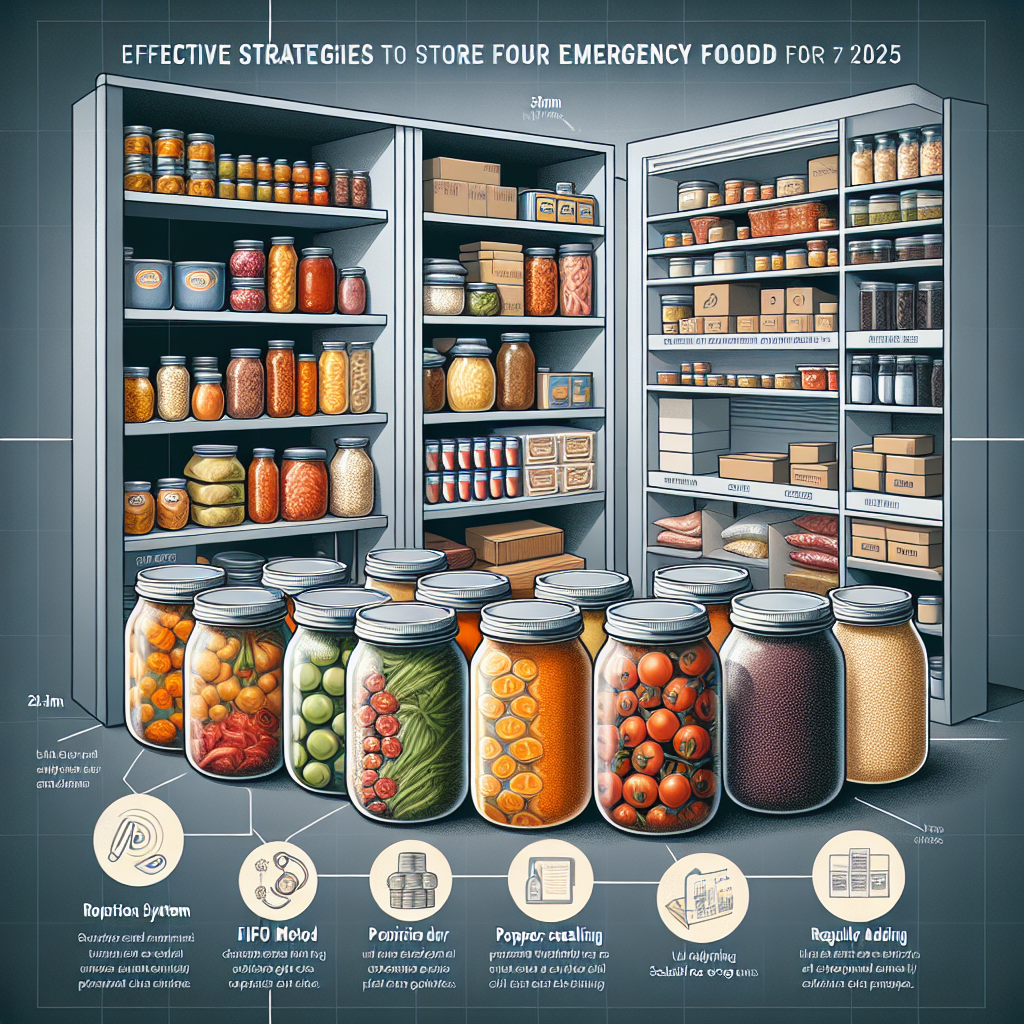
Implementing a rotation schedule can be straightforward. Label each container with the date it was filled and use a first-in, first-out (FIFO) system for usage. This ensures that older water is used before newer water, keeping the supply fresh. A common pitfall is neglecting to follow this schedule, leading to stored water being overlooked until it’s needed in an emergency. Having a clear system in place helps counteract this issue.
In practice, many individuals find it challenging to maintain a regular rotation schedule, especially in busy households. To make this easier, consider setting reminders on your phone or integrating it into your regular home maintenance routine. The biggest mistake is assuming that water will remain fresh indefinitely, which can create a false sense of security. Taking proactive steps to rotate your water supply is crucial for ensuring its safety and quality.
Further Reading
Authoritative Sources
- Emergency Water Storage
cdc.govThis resource provides guidelines from the CDC on storing water safely during emergencies
- EPA Safe Drinking Water Information
epa.govThe EPA offers comprehensive information on drinking water safety and storage practices
- FDA Guidelines on Food Safety
fda.govThis page includes recommendations for safe food and water storage
Frequently Asked Questions
How long can water be stored safely?
Water can be stored safely for about 6 to 12 months, depending on the storage conditions and the type of container used.
What type of container is best for storing water?
Food-grade plastic or glass containers are best for storing water, as they do not leach harmful chemicals.
How should I prepare containers for water storage?
Containers should be cleaned and sanitized with a bleach solution before being filled with water to prevent contamination.
What are the signs that stored water has gone bad?
Signs include an unusual color, odor, or taste. If any of these are present, the water should not be consumed.
Can I store water in regular plastic bottles?
While regular plastic bottles can be used, it’s better to use food-grade containers specifically designed for water storage to ensure safety.
Conclusion
Efficient water storage is a critical component of emergency preparedness and everyday life. Prioritize using appropriate containers, maintaining optimal storage conditions, and regularly inspecting your supply to ensure water safety. Implementing a rotation schedule will help keep your water fresh and usable. By understanding the nuances of proper water storage, you can avoid common pitfalls and ensure that your water supply remains safe for consumption over the long term.