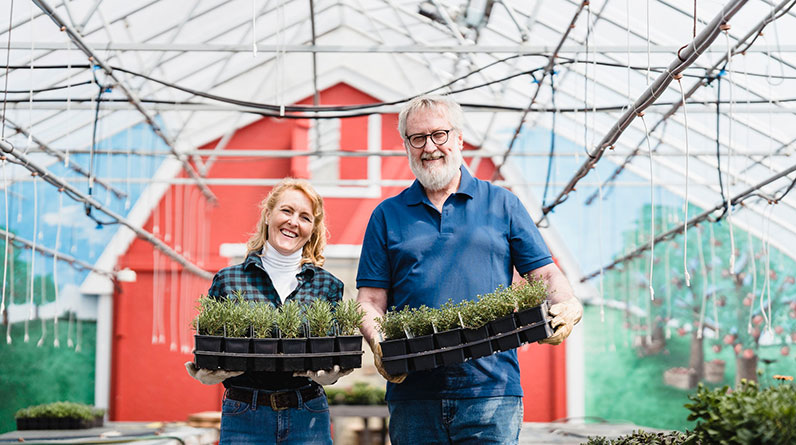
Quick Take: Hydroponic gardening allows for faster plant growth and higher yields due to precise control of nutrients and environmental conditions. It uses less water than traditional soil gardening because the water is recirculated, reducing waste. Additionally, hydroponics minimizes soil-borne pests and diseases, decreasing the need for chemical treatments. Overall, it offers a space-efficient, sustainable, and productive alternative to traditional soil-based gardening.

Jump To
- Benefits of Hydroponic Gardening Over Traditional Soil Cultivation
- 1. Faster Plant Growth and Higher Yields
- 2. Efficient Use of Water and Nutrients
- 3. Reduced Pest and Disease Pressure
- 4. Space Optimization and Flexibility
- 5. Reduced Soil Dependency and Environmental Impact
- 6. Greater Control Over Growing Conditions
- 7. Reduced Labor and Maintenance
- 8. Year-Round Production and Climate Independence
- 9. Educational and Research Opportunities
- 10. Economic Advantages and Market Potential
- Conclusion
- People Also Ask
- What are the main advantages of hydroponic gardening?
- What are the common types of hydroponic systems?
- How do I maintain a healthy hydroponic garden?
Benefits of Hydroponic Gardening Over Traditional Soil Cultivation
Hydroponic gardening offers a compelling alternative to traditional soil cultivation, transforming the way we grow plants by providing a highly controlled environment that promotes rapid growth and bountiful harvests. With the ability to precisely regulate nutrient levels and environmental factors, gardeners can achieve results that often surpass soil-based methods in both speed and yield. This soil-less approach also conserves water through recirculation, making it a more sustainable choice, while significantly reducing the risk of soil-borne pests and diseases that can plague conventional gardens. As urban spaces become more limited, hydroponics presents a space-efficient, innovative solution for cultivating fresh produce in even the smallest of settings.
Hydroponic gardening, a method of growing plants without soil, has gained significant popularity among urban farmers, hobbyists, and commercial growers alike. Unlike traditional soil cultivation, hydroponics offers a range of advantages that can lead to healthier plants, higher yields, and more efficient use of resources. This article explores the key benefits of hydroponic gardening, supported by real-world examples and scientific insights, to help you understand why this innovative approach might be the perfect solution for your gardening needs.
1. Faster Plant Growth and Higher Yields
One of the most compelling reasons to adopt hydroponic systems is the potential for accelerated plant growth. In soil-based cultivation, plants often face limitations due to inconsistent nutrient availability, soil compaction, and pests. Hydroponics delivers a precisely controlled nutrient solution directly to the plant roots, ensuring optimal conditions for growth.
For example, commercial tomato growers using hydroponic systems have reported up to a 25-30% increase in crop yields compared to traditional soil methods. In controlled environments, plants like lettuce, basil, and strawberries can mature in as little as half the time they would in soil, allowing for multiple harvests per year. This rapid growth cycle is attributed to the constant availability of nutrients, ideal pH levels, and oxygenation of the root zone.
2. Efficient Use of Water and Nutrients
Hydroponic systems are renowned for their water efficiency. Unlike soil gardening, where water can seep into the ground or evaporate, hydroponics recirculates water through the system, minimizing waste. According to the U.S. Department of Agriculture, hydroponic systems can use up to 90% less water than traditional farming methods.
For instance, in a recirculating deep water culture (DWC) setup, water is continuously circulated through the roots, and excess is collected and reused. This not only conserves water but also ensures that plants receive a steady supply of nutrients. Additionally, because nutrients are delivered in a soluble form, there is less runoff and leaching, reducing environmental impact and nutrient wastage.
3. Reduced Pest and Disease Pressure
Growing plants in a soil-free environment significantly diminishes the risk of soil-borne pests and diseases. Common issues like root rot, nematodes, and soil fungi are virtually eliminated in hydroponic systems. This reduction in pests and diseases means fewer chemical pesticides are needed, making hydroponic produce safer and more environmentally friendly.
For example, hydroponic lettuce farms in urban settings often report minimal pest problems, allowing them to operate with organic pest control methods or none at all. This cleaner environment also simplifies crop management and reduces the need for chemical interventions, aligning with organic farming principles.
4. Space Optimization and Flexibility
Learn more about is hydroponic gardening worth it? is highly adaptable to various spaces, from small indoor setups to large commercial farms. Vertical hydroponic systems, such as tower gardens and wall-mounted units, maximize limited space, making it possible to grow a significant amount of produce in a compact area.
Urban farmers in cities like New York and Tokyo have successfully implemented vertical hydroponic farms on rooftops and in basements, transforming underutilized spaces into productive gardens. This flexibility allows for year-round cultivation regardless of climate, providing fresh produce even in regions with harsh winters or limited arable land.
5. Reduced Soil Dependency and Environmental Impact
Hydroponic systems eliminate the need for soil, which can be contaminated or depleted of nutrients. This is particularly advantageous in areas with poor soil quality or contaminated land, enabling agriculture to be practiced without disturbing the environment.
Furthermore, hydroponic farms often have a smaller carbon footprint compared to traditional farms, thanks to reduced transportation needs and lower water and fertilizer consumption. For example, urban hydroponic farms can supply local markets directly, decreasing the reliance on long-distance food transportation and its associated emissions.
6. Greater Control Over Growing Conditions
Hydroponic systems allow growers to precisely control variables such as pH, temperature, humidity, and nutrient concentration. This level of control results in consistent crop quality and reduces the unpredictability associated with outdoor gardening.
For instance, greenhouse hydroponic farms can adjust lighting and climate conditions to optimize photosynthesis and growth rates, leading to uniform, high-quality produce. This control is especially beneficial for commercial growers aiming to meet strict quality standards and supply chain demands.
7. Reduced Labor and Maintenance
Compared to traditional gardening, hydroponic systems often require less physical labor. Automated systems can regulate watering, nutrient delivery, and environmental controls, freeing up time for growers to focus on other aspects of farm management.
For example, drip irrigation and nutrient dosing systems can be programmed to operate automatically, reducing the need for manual watering and fertilizing. This efficiency makes hydroponics an attractive option for large-scale commercial operations and busy hobbyists alike.
8. Year-Round Production and Climate Independence
Unlike traditional outdoor gardening, which is limited by seasonal changes, hydroponic systems can operate year-round in controlled environments. This continuous production cycle ensures a steady supply of fresh produce, regardless of external weather conditions.
Indoor hydroponic setups with LED grow lights enable growers to cultivate crops during winter months or in regions with short growing seasons. For example, a hydroponic basil farm in Canada can produce fresh herbs throughout the year, meeting local demand without relying on imports.
9. Educational and Research Opportunities
Hydroponic gardening serves as an excellent educational tool for schools and universities, providing hands-on experience in plant biology, environmental science, and sustainable agriculture. It also offers research opportunities to develop new crop varieties, optimize nutrient formulations, and innovate sustainable farming practices.
Institutions like the University of Arizona have established hydroponic research centers to study plant responses to different nutrient solutions and environmental conditions, contributing valuable knowledge to the field of controlled-environment agriculture.
10. Economic Advantages and Market Potential
Hydroponic farming can be highly profitable due to higher yields, faster crop cycles, and reduced resource costs. Urban hydroponic farms can supply fresh produce directly to local markets, restaurants, and grocery stores, reducing transportation costs and increasing freshness.
For example, a small-scale hydroponic lettuce farm in California can harvest multiple times a month, providing a consistent income stream. Additionally, the growing consumer demand for organic and locally grown produce enhances market opportunities for hydroponic growers.
Conclusion
Hydroponic gardening offers numerous advantages over traditional soil cultivation, including faster growth, higher yields, resource efficiency, and environmental sustainability. Its adaptability to various spaces and climates makes it an ideal solution for urban agriculture, educational initiatives, and commercial farming. As technology advances and awareness increases, hydroponics is poised to play a vital role in the future of sustainable food production.
Whether you’re a hobbyist looking to grow fresh herbs indoors or a farmer aiming to expand your operations, exploring hydroponic systems can open new possibilities for efficient and innovative gardening. Embracing this soil-less approach not only benefits your plants but also contributes to a more sustainable and resilient food system for the world.
People Also Ask
What are the main advantages of hydroponic gardening?
Hydroponic gardening allows for faster plant growth and higher yields compared to traditional soil gardening because nutrients are delivered directly to the roots in a controlled environment. It also uses less water since the system recycles nutrient solutions, making it more sustainable. Additionally, hydroponic systems can be set up indoors or in small spaces, enabling year-round cultivation regardless of outdoor weather conditions.
What are the common types of hydroponic systems?
Common types of hydroponic systems include nutrient film technique (NFT), deep water culture (DWC), drip systems, and aeroponics. Each system has its own method of delivering nutrients to the plants’ roots, with variations suited for different plant types and space requirements. Choosing the right system depends on factors like scale, budget, and the specific crops being grown.
How do I maintain a healthy hydroponic garden?
Maintaining a healthy hydroponic garden involves regularly monitoring and adjusting pH levels and nutrient concentrations to ensure optimal plant growth. It’s also important to keep the system clean to prevent disease and algae buildup, and to check water levels frequently. Proper lighting, temperature, and airflow are essential for preventing pests and promoting healthy development.