


Instant Insight: Hydroponic systems allow for faster plant growth and higher yields due to precise control of nutrients and environmental conditions. They also use less water compared to traditional soil farming and can be set up in limited spaces, making them ideal for urban agriculture. However, hydroponic systems can be expensive to establish and maintain, requiring technical knowledge and energy inputs. Additionally, they are vulnerable to system failures and disease outbreaks, which can quickly affect all plants.
Section Overview
- Benefits of Using Hydroponic Systems for Vegetable Growth
- 1. Increased Growth Rate and Higher Yields
- 2. Efficient Use of Water and Nutrients
- 3. Reduced Land Footprint and Space Optimization
- 4. Controlled Environment for Consistent Quality
- 5. Reduced Pest and Disease Pressure
- 6. Reduced Environmental Impact
- 7. Year-Round Production and Food Security
- 8. Flexibility and Scalability
- 9. Educational and Research Opportunities
- 10. Economic Advantages and Cost Savings
- Conclusion
- Common Questions People Ask
- What are the main types of hydroponic systems?
- How do hydroponic systems differ from traditional soil gardening?
- What are the common challenges faced when using hydroponic systems?
Benefits of Using Hydroponic Systems for Vegetable Growth
Hydroponic systems are transforming the way we grow vegetables, offering a glimpse into a future where lush greens flourish in compact, urban spaces. By delivering nutrients directly to plant roots in a carefully controlled environment, these setups accelerate growth and boost yields, often surpassing traditional soil farming. They also use significantly less water, making them an attractive solution amid increasing concerns over resource conservation. Yet, the technology demands a level of precision and ongoing maintenance that can be daunting, with vulnerabilities that could jeopardize entire crops if not managed carefully.
1. Increased Growth Rate and Higher Yields
One of the most compelling benefits of hydroponic systems is the ability to accelerate plant growth and significantly increase crop yields. Because plants receive a direct supply of nutrients in a readily accessible form, they can absorb essential elements more efficiently than in soil. For example, lettuce grown hydroponically can mature in as little as 30 days, compared to 45-60 days in traditional soil farming. Similarly, studies have shown that tomatoes cultivated hydroponically can produce up to 25% more fruit per plant than their soil-grown counterparts.
This rapid growth cycle is especially advantageous for commercial growers aiming to maximize productivity within limited space and time. Hydroponic systems also enable multiple harvests per year, as the controlled environment minimizes seasonal limitations. For instance, in urban vertical farms, farmers can harvest fresh vegetables every few weeks, providing a steady supply to local markets and reducing dependency on seasonal outdoor farming.
2. Efficient Use of Water and Nutrients
Hydroponic systems are renowned for their water efficiency. Unlike traditional agriculture, which can lose a significant portion of water through runoff and evaporation, hydroponics recirculates water within the system. This closed-loop approach can reduce water consumption by up to 90%, making it an ideal solution in arid regions or areas facing water scarcity. For example, in desert cities like Dubai, hydroponic farms utilize advanced water recycling techniques to grow vegetables sustainably.
Additionally, because nutrients are delivered directly to the roots in precise amounts, there is minimal waste. This targeted delivery reduces the need for excess fertilizers, which can leach into groundwater and cause environmental pollution. For instance, a hydroponic basil farm might use only a fraction of the fertilizer compared to soil-based cultivation, resulting in cleaner produce and less environmental impact.
3. Reduced Land Footprint and Space Optimization
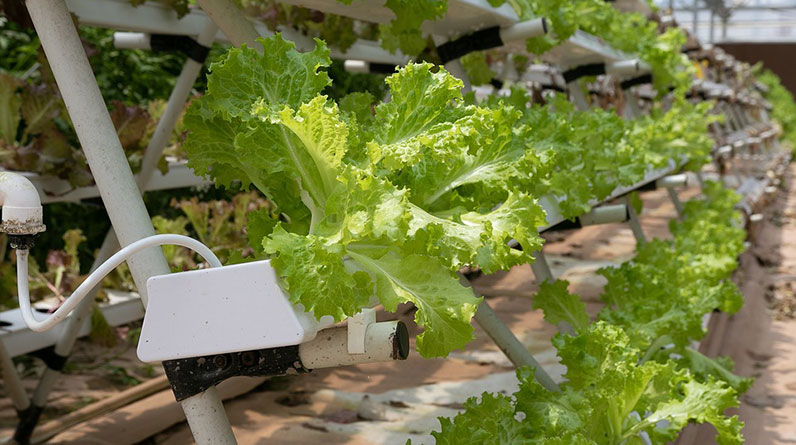
Hydroponic systems are highly space-efficient, making them ideal for urban environments where land is limited and expensive. Vertical farming techniques, such as tower systems or stacked trays, allow growers to maximize vertical space, producing more vegetables per square foot than traditional farms. For example, a vertical hydroponic farm in Brooklyn, New York, can produce thousands of heads of lettuce in a single warehouse, demonstrating how urban spaces can be transformed into productive agricultural zones.
This efficient use of space not only increases productivity but also reduces the need for deforestation and land conversion, contributing to environmental conservation. Moreover, hydroponic setups can be integrated into existing structures like rooftops, basements, or abandoned warehouses, turning underutilized spaces into thriving farms.
4. Controlled Environment for Consistent Quality
Hydroponic systems operate within controlled environments, allowing growers to regulate temperature, humidity, light, and nutrient levels precisely. This control results in consistent, high-quality produce regardless of external weather conditions. For example, hydroponic strawberry farms in greenhouses can produce sweet, uniform berries year-round, unaffected by seasonal variations or pests.
Consistent quality is crucial for commercial markets, where uniformity and appearance influence consumer preferences. Additionally, the ability to grow vegetables in controlled environments reduces the reliance on pesticides and herbicides, leading to cleaner, safer produce.
5. Reduced Pest and Disease Pressure
Growing vegetables hydroponically minimizes exposure to soil-borne pests and diseases, which are common challenges in traditional farming. Since hydroponic systems do not use soil, the risk of issues like root rot, nematodes, and soil-borne fungi is significantly lowered. For example, hydroponic tomato farms often report fewer pest outbreaks, reducing the need for chemical interventions.
Furthermore, the closed nature of many hydroponic setups allows for better pest management through physical barriers and targeted biological controls. This environment promotes healthier plants and reduces chemical residues on produce, aligning with organic and sustainable farming practices.
6. Reduced Environmental Impact
Hydroponic agriculture offers a more sustainable alternative to traditional farming by reducing land use, water consumption, and chemical inputs. Its efficient resource utilization means less strain on natural ecosystems. For instance, studies from the U.S. Department of Agriculture highlight that hydroponic systems can produce the same amount of vegetables as traditional farms while using up to 70% less water and significantly fewer fertilizers.
Moreover, hydroponic farms can be established close to urban centers, decreasing transportation emissions associated with food distribution. This local production model supports the reduction of carbon footprints and promotes food security in densely populated areas.
7. Year-Round Production and Food Security
Unlike traditional outdoor farming, which is limited by seasons and weather, hydroponic systems enable year-round vegetable production. This continuous cycle ensures a stable supply of fresh produce, reducing reliance on imports and enhancing local food security. For example, in Scandinavian countries with long, harsh winters, hydroponic greenhouses allow for the cultivation of leafy greens and herbs throughout the year.
This consistent availability of fresh vegetables can help stabilize prices, improve nutrition, and support local economies. Additionally, during emergencies or disruptions in supply chains, hydroponic farms can serve as resilient sources of food.
8. Flexibility and Scalability
Hydroponic systems are highly adaptable, suitable for small-scale home gardens as well as large commercial operations. Beginners can start with simple setups like nutrient film technique (NFT) or deep water culture (DWC), while experienced growers can scale up to complex, automated systems with sensors and climate controls. For example, a hobbyist can grow herbs and salad greens on a windowsill, while a commercial farm might operate hundreds of interconnected hydroponic units.
This flexibility allows growers to experiment with different crops, optimize yields, and expand their operations gradually. The modular nature of hydroponic systems also facilitates easy maintenance and upgrades, making them a sustainable investment for the future of agriculture.
9. Educational and Research Opportunities
Hydroponic systems serve as excellent educational tools for students and researchers interested in sustainable agriculture, plant biology, and environmental science. Schools and universities can incorporate hydroponic gardens into their curricula, providing hands-on learning experiences. For instance, many educational institutions now have dedicated hydroponic labs where students grow and study various crops, gaining practical skills and environmental awareness.
Research institutions also utilize hydroponic setups to experiment with plant genetics, nutrient formulations, and growth optimization techniques, contributing to innovations in crop production and sustainability practices.
10. Economic Advantages and Cost Savings
Although initial setup costs for hydroponic systems can be higher than traditional farming, the long-term economic benefits often outweigh these expenses. Increased yields, faster crop cycles, and reduced input costs lead to higher profitability. For example, urban hydroponic farms have demonstrated profit margins of over 30% due to efficient resource use and year-round production.
Moreover, the ability to grow high-value crops like herbs, microgreens, and specialty vegetables in small spaces can generate substantial income for small-scale farmers and entrepreneurs. The reduced need for pesticides and fertilizers also lowers operational costs and aligns with organic market standards, further enhancing profitability.
Conclusion
Ultimately, hydroponic systems offer a multitude of benefits that make them an attractive choice for modern vegetable cultivation. From increasing growth rates and yields to conserving water and land, hydroponics aligns with sustainable agriculture goals and urban food production needs. As technology advances and costs decrease, more farmers and home gardeners are expected to adopt this innovative method, ensuring a resilient, efficient, and environmentally friendly future for vegetable farming.
Common Questions People Ask
What are the main types of hydroponic systems?
Hydroponic systems can be categorized into several main types, including nutrient film technique (NFT), deep water culture (DWC), drip systems, and aeroponics. Each type has its own method of delivering nutrients and oxygen to the plants' roots, making them suitable for different crops and scales of operation. Choosing the right system depends on factors like space, budget, and the specific plants being grown.
How do hydroponic systems differ from traditional soil gardening?
Hydroponic systems grow plants without soil, using a nutrient-rich water solution to deliver essential nutrients directly to the roots. This method often results in faster plant growth, higher yields, and less pest and disease issues compared to traditional soil gardening. Additionally, hydroponics can be practiced in smaller spaces and controlled environments, making it more efficient in resource use.
What are the common challenges faced when using hydroponic systems?
Common challenges in hydroponic systems include maintaining proper nutrient balance, preventing root diseases, and managing pH levels. Additionally, system failures such as pump malfunctions can quickly affect plant health. Regular monitoring and maintenance are essential to ensure optimal growth conditions and prevent crop losses.
