


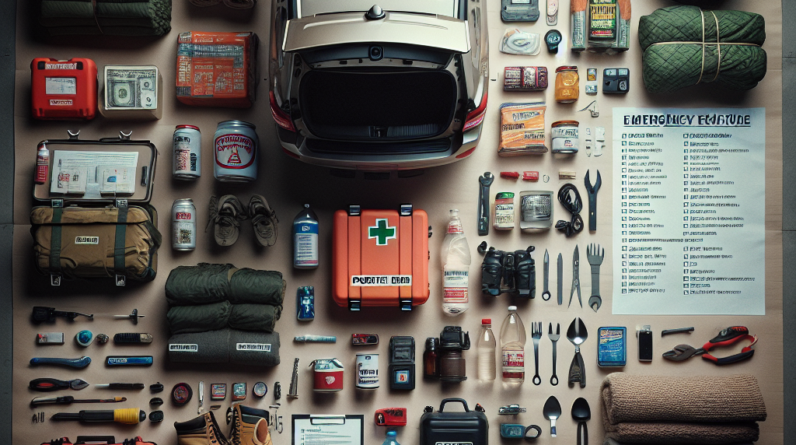
Instant Answer: Essential prepper supplies include non-perishable food, water, first aid kit, flashlight, batteries, multi-tool, and a portable radio. Additionally, consider having a supply of medications, personal hygiene items, and important documents in a waterproof container. It’s crucial to have a plan in place for communication, shelter, and evacuation routes in case of emergencies. Being prepared with these supplies can help you stay safe and self-sufficient during unexpected situations.
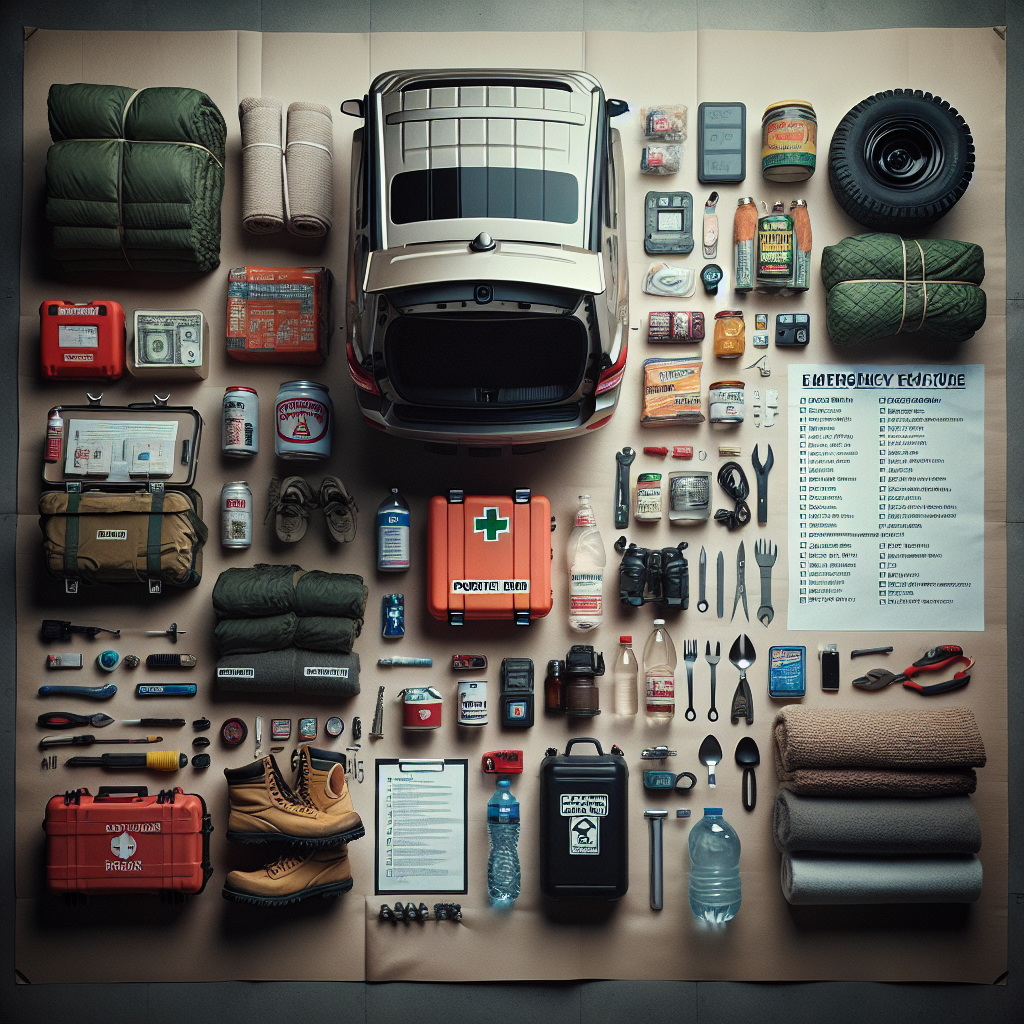
Preparing for the Unexpected: Essential Prepper Supplies
When it comes to being prepared for emergencies, having the right supplies can make all the difference. For those looking to build a comprehensive prepper kit, knowing the essential prepper supplies is crucial.
Key Takeaways
- Stock up on non-perishable food items with a long shelf life.
- Include water purification methods in your supplies.
- Don’t forget about first aid supplies and medications.
- Pack important documents and cash in a waterproof container.
- Have a reliable communication plan in place.
Before You Start
Prior to assembling your prepper supplies, consider your family’s specific needs, any dietary restrictions, and the climate of your region. For example, if you have a family member with a nut allergy, ensure your food supplies are nut-free. If you live in an area prone to hurricanes, make sure to include hurricane-specific items like tarps and hurricane straps for securing your home. Additionally, ensure you have a secure and accessible storage space for your supplies.
Materials & Tools
- Non-perishable food items (such as canned goods like beans, tuna, and vegetables, dried fruits, and nuts)
- Water purification tablets or filters (such as LifeStraw or iodine tablets)
- First aid kit with bandages, antiseptic wipes, prescription medications, and any specific medical supplies needed for your family members
- Flashlights, batteries, and a portable radio (consider a hand-crank radio for long-term use)
- Multi-tool, duct tape, and a whistle for signaling for help
Step-by-Step
Step 1: Food and Water
Stockpile at least a two-week supply of non-perishable food items and one gallon of water per person per day. Consider including items like protein bars, instant soups, and powdered milk for variety.
Tip:
Rotate food items regularly to ensure freshness and prevent waste.
Step 2: First Aid
Assemble a comprehensive first aid kit with essential supplies like bandages, pain relievers, and prescription medications specific to your family’s needs. Include any necessary medical equipment or supplies for chronic conditions.
Tip:
Include a manual for basic medical procedures and any specific instructions for medications.
Step 3: Shelter and Warmth
Pack emergency blankets, warm clothing, and a tent or tarp for shelter. Consider including hand warmers, extra socks, and sturdy shoes for each family member.
Tip:
Consider portable heaters or a portable stove for cold climates.
Step 4: Communication
Include a battery-powered or hand-crank radio for emergency broadcasts and a whistle for signaling. Have a plan for how to communicate with family members if separated during an emergency.
Tip:
Have a designated meeting point and communication plan in place.
Step 5: Tools and Supplies
Equip yourself with a multi-tool, duct tape, matches, and personal hygiene items like wet wipes and hand sanitizer. Consider adding entertainment items like playing cards or small games for morale.
Tip:
Pack items in waterproof containers to protect them from water damage.
Configuration & Setup
Organize your supplies in clearly labeled containers for easy access during emergencies. Consider creating separate kits for different scenarios, such as a car emergency kit or a grab-and-go bag. Review and update your kit regularly to ensure everything is in working order and replace any expired items.
Common Mistakes
- Not rotating food supplies, leading to spoilage. For example, forgetting about canned goods in the back of the pantry that expire.
- Forgetting to include important documents like IDs, insurance papers, and copies of personal identification in case of evacuation.
- Neglecting to customize supplies for specific family members’ needs, such as forgetting about baby supplies or pet food.
- Relying solely on electronic communication devices without backup options like a whistle or signal mirror.
- Underestimating the importance of mental health support items like books, games, or comfort items for children.
FAQs
Q: How often should I update my prepper supplies?
A: It’s recommended to review and refresh your supplies every six months to ensure everything is up to date and in good condition. Check for expired items, damaged packaging, or changes in your family’s needs.
Q: Can I use tap water during emergencies?
A: It’s best to use bottled water or purify tap water with tablets or filters to avoid contamination risks. Boiling tap water is also a safe method of purification if other options are not available.
Conclusion & Next Steps
Being prepared with essential prepper supplies is a proactive step towards ensuring the safety and well-being of your family during emergencies. Remember to regularly review and update your supplies, and consider taking a first aid or emergency preparedness course to enhance your skills and knowledge. By being prepared, you can face unexpected situations with confidence and readiness.
Key Performance Indicator (KPI): Track the expiration dates of your supplies and set reminders for timely replacements to maintain the effectiveness of your prepper kit.