Quick Take: Hydroponics gardening methods include nutrient film technique (NFT), where a thin film of nutrient solution flows over plant roots; deep water culture (DWC), where roots are suspended in oxygenated nutrient-rich water; aeroponics, which involves misting roots with nutrient solution; and drip systems, where nutrient solution is dripped onto the base of plants. Each method offers different advantages in terms of water efficiency, ease of setup, and suitability for various plant types. The choice depends on factors like space, budget, and desired crop yield.

Section Overview
- Different Types of Hydroponics Gardening Methods Explained
- Introduction to Hydroponics Gardening
- Deep Water Culture (DWC)
- Nutrient Film Technique (NFT)
- Wick System
- Drip System
- Aeroponics
- Comparison of Hydroponic Methods
- Choosing the Right Hydroponic System for You
- Conclusion
- People Also Ask
- What are the typical varieties of hydroponic growing systems?
- Which essential nutrients do hydroponic plants require for healthy growth?
- How does hydroponic gardening function and what exactly is it?
Different Types of Hydroponics Gardening Methods Explained
Hydroponics gardening offers a fascinating array of methods that transform how we grow plants, each tailored to different needs and environments. From the gentle flow of nutrient film technique to the suspended roots in deep water culture, these systems provide innovative ways to cultivate lush greenery without soil. Aeroponics, with its fine mist of nutrients, creates a highly oxygenated environment, while drip systems deliver precise nourishment directly to plant bases. Choosing the right method depends on your space, budget, and the crops you aim to produce, making hydroponics a versatile and efficient approach to modern gardening.
Introduction to Hydroponics Gardening
Hydroponics is an innovative method of growing plants without soil, instead relying on nutrient-rich water solutions to deliver essential minerals directly to plant roots. This technique offers numerous advantages, including faster plant growth, higher yields, and the ability to cultivate crops in areas with poor soil quality or limited space. As urban agriculture gains popularity, understanding the various hydroponic systems becomes essential for both hobbyists and commercial growers.
Deep Water Culture (DWC)
Deep Water Culture, often abbreviated as DWC, is one of the simplest and most popular hydroponic methods. In this system, plant roots are suspended directly in a nutrient-rich, oxygenated water solution. The setup typically involves a large reservoir, such as a plastic tote or bucket, with net pots holding the plants above the water level. An air pump supplies oxygen through air stones submerged in the water, ensuring roots receive adequate oxygen for optimal growth.
- Advantages: Easy to set up, cost-effective, promotes rapid growth, suitable for beginners.
- Ideal crops: Leafy greens like lettuce, spinach, and herbs such as basil thrive in DWC systems.
For example, a hobbyist might set up a 10-gallon DWC system to grow fresh basil year-round indoors. The key to success involves maintaining proper oxygenation, monitoring pH levels, and ensuring the nutrient solution is refreshed regularly.
Nutrient Film Technique (NFT)
The Nutrient Film Technique (NFT) involves a continuous flow of nutrient solution running over the roots of plants housed in a slight incline. This thin film of water provides nutrients while allowing excess solution to drain back into the reservoir, creating a recirculating system. The roots are supported by a sloped channel, often made of PVC or other durable materials, with small holes for plant placement.
- Advantages: Efficient use of water and nutrients, suitable for small-scale and commercial operations, minimal medium required.
- Ideal crops: Leafy greens, strawberries, and herbs like cilantro are well-suited for NFT systems.
For instance, a commercial farm might use NFT channels to grow hundreds of lettuce plants in a controlled environment, maximizing space and resource efficiency. Maintaining a consistent flow rate and preventing blockages are critical for optimal performance.
Wick System
The Wick system is one of the simplest passive hydroponic methods, relying on capillary action to deliver nutrients from a reservoir to the plant roots. In this setup, a wick made of cotton or nylon connects the nutrient solution to the growing medium, such as coconut coir or perlite, where roots absorb moisture as needed.
- Advantages: No pumps or electricity required, low maintenance, suitable for small plants and herbs.
- Limitations: Less effective for large or fast-growing plants due to limited nutrient delivery capacity.
For example, a beginner might start with a wick system to grow herbs like mint and parsley on a windowsill. The simplicity of this method makes it ideal for educational purposes or small-scale home gardening.
Drip System
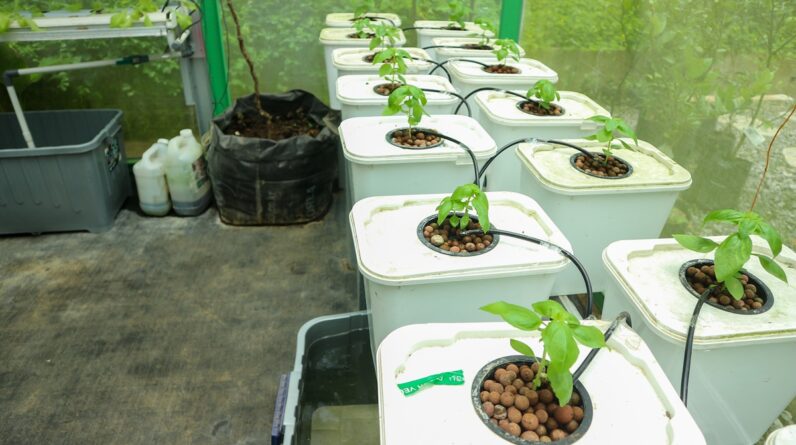
The drip hydroponic system mimics traditional irrigation by delivering nutrient solution directly to the base of each plant through a network of tubes and emitters. This method allows precise control over the amount of nutrients supplied, making it suitable for a wide variety of crops, including fruiting plants like tomatoes and peppers.
- Advantages: Customizable feeding schedules, scalable for large operations, efficient water use.
- Challenges: Requires a timer and filtration system to prevent clogging.
For instance, a commercial greenhouse might employ a drip system to grow high-value crops such as cherry tomatoes, ensuring each plant receives consistent nutrients while minimizing water waste. Regular maintenance of emitters and monitoring of flow rates are essential for system reliability.
Aeroponics
Aeroponics is a highly advanced hydroponic method where plant roots hang in a closed environment and are misted with a nutrient solution at regular intervals. This system maximizes oxygen exposure to roots, promoting rapid growth and high yields. Aeroponics requires precise control of misting cycles, nutrient concentration, and environmental conditions.
- Advantages: Superior oxygenation, faster growth rates, efficient use of water and nutrients.
- Ideal crops: Leafy greens, herbs, and even root vegetables like carrots can be grown aeroponically.
For example, research facilities and commercial vertical farms often utilize aeroponics to produce large quantities of microgreens or lettuce in a small footprint. The complexity and cost of setup make it more suitable for experienced growers seeking high productivity.
Comparison of Hydroponic Methods
Each hydroponic system offers unique benefits and challenges, making them suitable for different applications:
- Deep Water Culture: Best for beginners and leafy greens, easy to set up, cost-effective.
- Nutrient Film Technique: Ideal for small plants and high-density planting, efficient water use.
- Wick System: Suitable for small-scale, low-maintenance setups, limited to small plants.
- Drip System: Versatile and scalable, perfect for fruiting crops, requires regular maintenance.
- Aeroponics: High-tech, high-yield system, best for commercial growers with technical expertise.
Choosing the Right Hydroponic System for You
When selecting a hydroponic method, consider factors such as available space, budget, crop type, and your level of experience. For instance, if you’re just starting out and want to grow herbs indoors, a simple wick or DWC system might be ideal. Conversely, if you’re aiming to produce large quantities of leafy greens efficiently, NFT or aeroponics could be more suitable.
Additionally, think about environmental control. Systems like aeroponics and NFT require more precise regulation of temperature, humidity, and nutrient delivery, which might necessitate additional equipment such as timers, sensors, and climate control devices.
Conclusion
Understanding the different hydroponic gardening methods empowers you to choose the best system tailored to your needs and goals. Whether you’re a hobbyist growing herbs on your windowsill or a commercial farmer cultivating lettuce on a large scale, there’s a hydroponic method suited for you. By selecting the appropriate system, maintaining proper nutrient balance, and monitoring environmental conditions, you can enjoy the benefits of faster growth, higher yields, and sustainable gardening practices.
Start small, experiment with different setups, and gradually expand your hydroponic garden as you gain experience. With dedication and the right knowledge, hydroponics can transform your gardening experience and contribute to a more sustainable food future.
People Also Ask
What are the typical varieties of hydroponic growing systems?
Common hydroponic systems include nutrient film technique (NFT), deep water culture (DWC), drip systems, and aeroponics. NFT involves a thin film of nutrient solution flowing over the roots, while DWC suspends plants in a nutrient-rich oxygenated water solution. Drip systems deliver nutrients directly to each plant's roots via a network of tubes, and aeroponics mist the roots with nutrient solution in a closed environment. Each system has its advantages depending on the plants grown and available space.
Which essential nutrients do hydroponic plants require for healthy growth?
Hydroponic plants require a balanced supply of essential nutrients, including macronutrients like nitrogen, phosphorus, and potassium, as well as micronutrients such as calcium, magnesium, iron, manganese, zinc, copper, molybdenum, and boron. These nutrients are typically supplied through specially formulated hydroponic nutrient solutions. Maintaining the correct pH level, usually between 5.5 and 6.5, is crucial for optimal nutrient uptake. Regular monitoring and adjustment ensure healthy plant growth.
How does hydroponic gardening function and what exactly is it?
In simple terms, hydroponics gardening refers to the core process or practice behind your project. For example, a beginner might break a large task into smaller milestones and set aside 5–10 hours to experiment with basic techniques. This helps you plan your time, gather the right materials and measure progress. Understanding these mechanics ensures you work efficiently and achieve tangible results.