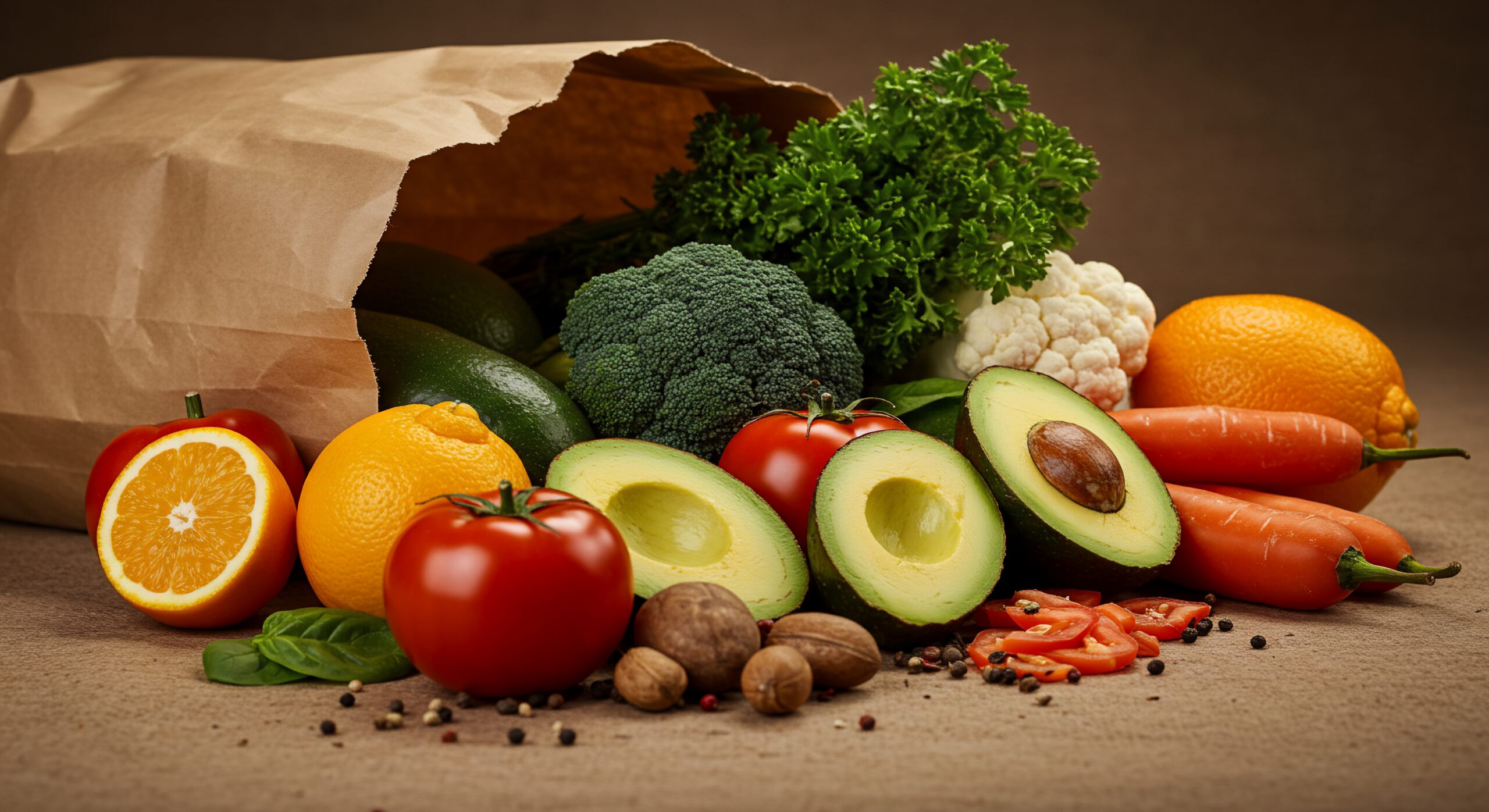
Key Takeaway: The best crops for hydroponics include leafy greens like lettuce, spinach, and kale, which grow quickly and have high yields. Herbs such as basil, mint, and cilantro thrive in hydroponic systems and can be harvested frequently. Fruit-bearing plants like tomatoes, strawberries, and peppers also perform well, though they require more space and nutrients. These crops are ideal because they grow efficiently in controlled environments, maximizing space and resource use.
Contents
- Top Crops for Successful Hydroponics Gardening
- Introduction to Hydroponic Gardening
- Why Choose Hydroponics?
- Criteria for Selecting Crops for Hydroponics
- Top Crops for Hydroponic Gardening
- Additional Considerations for Crop Selection
- Tips for Successful Hydroponic Crop Cultivation
- Conclusion
- People Also Ask
- How do I maintain nutrient levels in a hydroponic system?
- What is hydroponics gardening and how does it work?
- How do you get started with hydroponics gardening?
Top Crops for Successful Hydroponics Gardening
Hydroponics gardening opens up a world of possibilities for cultivating fresh, vibrant crops in compact, controlled environments. Leafy greens like lettuce, spinach, and kale flourish here, offering rapid growth and abundant harvests that keep the garden productive and rewarding. Aromatic herbs such as basil, mint, and cilantro thrive in these systems, providing a continuous supply of flavorful additions to meals. Meanwhile, fruit-bearing plants like tomatoes, strawberries, and peppers can be successfully grown, though they demand a bit more space and attentive nutrient management. This method transforms even small spaces into lush, efficient gardens where plants grow vigorously with minimal soil and maximum precision.
Introduction to Hydroponic Gardening
Hydroponic gardening is an innovative method of growing plants without soil, using nutrient-rich water solutions to deliver essential minerals directly to the roots. This technique allows for faster plant growth, higher yields, and the ability to cultivate crops in environments where traditional soil gardening might not be feasible. Whether you’re a seasoned gardener or a beginner, understanding which crops thrive in hydroponic systems is crucial for success.
Why Choose Hydroponics?
Hydroponic systems offer numerous advantages over traditional soil gardening. These include:
- Faster Growth Rates: Plants typically grow 25-50% faster due to direct access to nutrients.
- Higher Yields: Optimized nutrient delivery results in more abundant harvests.
- Space Efficiency: Vertical and compact setups maximize limited space, making it ideal for urban environments.
- Reduced Pest and Disease Risks: Less soil means fewer soil-borne pests and diseases.
- Water Conservation: Recirculating systems use significantly less water than traditional gardening.
Criteria for Selecting Crops for Hydroponics
When choosing crops for hydroponic cultivation, consider factors such as growth rate, space requirements, and market demand. Crops that are fast-growing, high-yielding, and adaptable to controlled environments tend to perform best. Additionally, some plants are more forgiving for beginners, making them ideal starting points.
Top Crops for Hydroponic Gardening
1. Leafy Greens
Leafy greens are among the most popular and easiest crops to grow hydroponically. They thrive in nutrient-rich water and require minimal space, making them perfect for beginners.
- Lettuce: Varieties like Romaine, Butterhead, and Leaf Lettuce grow rapidly, often ready for harvest in 30-45 days. They prefer cooler temperatures and consistent moisture.
- Spinach: Known for its nutritional density, spinach matures in about 35-45 days. It prefers slightly cooler conditions and benefits from a slightly acidic pH.
- Kale: Hardy and nutrient-dense, kale can be harvested multiple times through cut-and-come-again methods. It takes approximately 50-60 days to mature.
- Arugula: With a peppery flavor, arugula is quick to grow, often ready in just 20-30 days, making it ideal for continuous harvests.
2. Herbs
Herbs are highly suitable for hydroponic systems due to their compact size and quick growth cycles. They also fetch good market prices, making them a profitable choice.
- Basil: A staple in many cuisines, basil grows rapidly in hydroponic setups, often ready in 3-4 weeks. It prefers warm temperatures and high light levels.
- Cilantro: Known for its distinctive flavor, cilantro matures in about 3-4 weeks and prefers cooler conditions.
- Mint: Hardy and fast-growing, mint can be harvested multiple times and thrives in hydroponic systems with ample water and nutrients.
- Parsley: Takes around 4-6 weeks to mature but provides a continuous harvest for culinary uses.
3. Fruit-Bearing Vegetables
While more challenging, certain fruiting vegetables can be successfully cultivated hydroponically, offering high yields and fresh produce year-round.
- Tomatoes: One of the most popular hydroponic crops, cherry and beefsteak varieties can produce abundant fruit within 60-85 days. They require staking or trellising and consistent nutrient management.
- Cucumbers: Fast-growing and prolific, cucumbers can be harvested in about 50-70 days. They thrive in vertical systems and need ample water and support structures.
- Bell Peppers: These take approximately 70-90 days to mature and benefit from stable temperatures and high light levels.
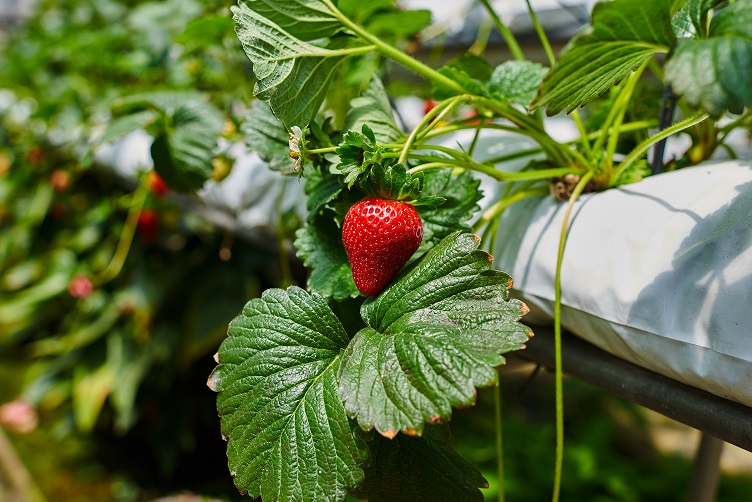
- Strawberries: Hydroponic strawberries can produce fruit multiple times per year, with harvests starting around 60-75 days after planting.
Additional Considerations for Crop Selection
When selecting crops, also consider:
- Growth Environment: Temperature, humidity, and light levels should match the crop’s needs.
- Space Constraints: Vertical systems can maximize space for smaller plants like herbs and greens.
- Market Demand: Growing high-demand crops like basil or cherry tomatoes can increase profitability.
- Growth Cycle: Faster-growing crops allow for quicker turnover and more frequent harvests.
Tips for Successful Hydroponic Crop Cultivation
To ensure healthy growth and high yields, keep in mind these practical tips:
- Maintain Proper Nutrient Balance: Use high-quality hydroponic nutrient solutions tailored to the specific crop’s needs.
- Monitor pH Levels: Most crops prefer a pH between 5.5 and 6.5; regular testing helps prevent nutrient deficiencies.
- Ensure Adequate Lighting: Use grow lights if natural sunlight is insufficient, especially for indoor setups.
- Control Temperature and Humidity: Keep temperatures within optimal ranges—generally 65-75°F for greens and herbs, slightly warmer for fruiting plants.
- Practice Good Hygiene: Regularly clean systems to prevent algae and disease buildup.
Conclusion
Choosing the right crops is fundamental to a successful hydroponic garden. Leafy greens and herbs are excellent starting points due to their ease of growth and quick turnaround times. For those looking to expand into fruiting vegetables, tomatoes and cucumbers offer rewarding yields with proper management. By understanding each crop’s specific requirements and maintaining optimal growing conditions, you can enjoy a bountiful harvest year-round, regardless of your space constraints or climate.
Start small, experiment with different crops, and gradually scale your hydroponic system to maximize productivity and enjoyment. With dedication and the right crop choices, hydroponic gardening can become a highly rewarding and sustainable way to grow fresh produce at home or commercially.
People Also Ask
How do I maintain nutrient levels in a hydroponic system?
Maintaining proper nutrient levels involves regularly testing the water’s pH and electrical conductivity (EC) to ensure plants receive balanced nutrients. You should add nutrient solutions as needed and monitor for any imbalances or deficiencies. Consistent maintenance helps promote healthy plant growth and prevents issues like nutrient lockout or disease.
What is hydroponics gardening and how does it work?
In simple terms, hydroponics gardening refers to the core process or practice behind your project. For example, a beginner might break a large task into smaller milestones and set aside 5–10 hours to experiment with basic techniques. This helps you plan your time, gather the right materials and measure progress. Understanding these mechanics ensures you work efficiently and achieve tangible results.
How do you get started with hydroponics gardening?
To get started with hydroponics gardening: 1. Research at least two reputable sources to learn the fundamentals. 2. Gather essential tools or materials and set a modest budget, such as $50, for supplies. 3. Dedicate a regular practice schedule (e.g., 30 minutes per day) and follow a step‑by‑step plan. 4. Evaluate your progress each week and adjust your approach based on what you learn.