


Instant Answer: Popular crops for hydroponic gardening include leafy greens like lettuce, spinach, and kale due to their quick growth and high yield. Herbs such as basil, mint, and cilantro thrive in hydroponic systems and are easy to manage. Fruit-bearing plants like tomatoes, strawberries, and peppers also perform well, though they may require more space and nutrients. Overall, these crops are ideal for hydroponic systems because they grow efficiently with controlled nutrient delivery and minimal soil requirements.
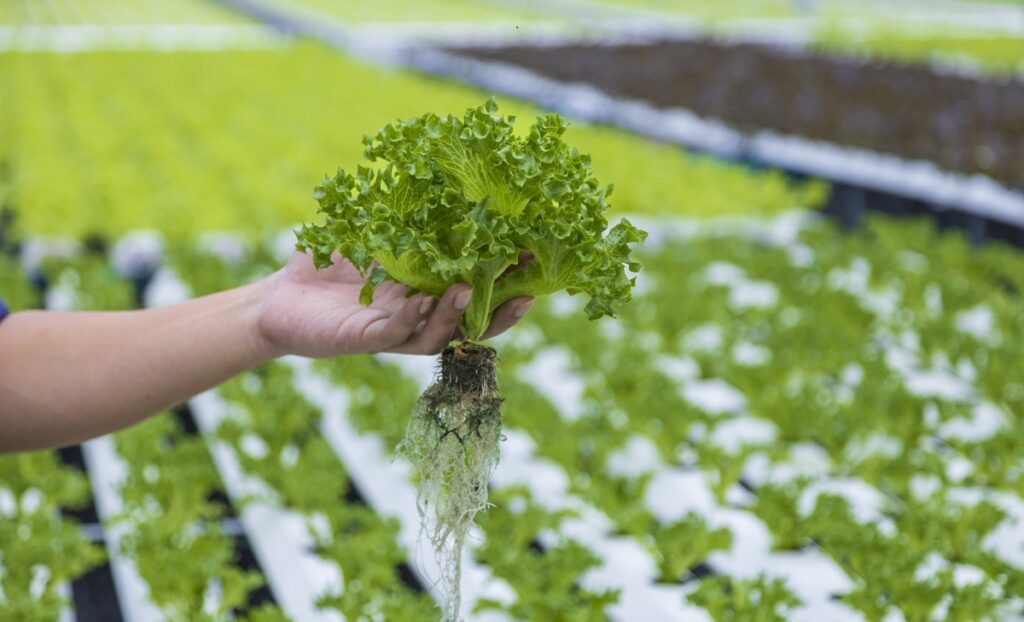
Table of Contents
- Top Crops for Successful Hydroponic Gardening
- Introduction to Hydroponic Gardening
- Factors Influencing Crop Selection
- Popular Crops for Hydroponic Systems
- Leafy Greens
- Herbs
- Fruits
- Vegetables
- Special Considerations for Crop Success
- Market Demand and Economic Considerations
- Conclusion
- Other Questions People Ask
- What types of plants are best suited for hydroponic systems?
- What are common challenges faced in hydroponic gardening?
- What is Hydroponic Gardening and why is it important?
Top Crops for Successful Hydroponic Gardening
Hydroponic gardening offers a vibrant, soil-free way to cultivate a variety of crops with precision and efficiency. Leafy greens like lettuce, spinach, and kale flourish in these systems, their rapid growth and high yields making them favorites among indoor gardeners. Aromatic herbs such as basil, mint, and cilantro also thrive, adding fresh flavors to any kitchen. While fruiting plants like tomatoes, strawberries, and peppers can be successfully grown hydroponically, they often demand more space and attentive nutrient management, showcasing the versatility and potential of this innovative gardening method.
Introduction to Hydroponic Gardening
Hydroponic gardening is an innovative method of growing plants without soil, using nutrient-rich water solutions to deliver essential minerals directly to the roots. This technique allows for faster plant growth, higher yields, and the ability to cultivate crops in areas with limited space or poor soil conditions. Whether you’re a seasoned gardener or a beginner, understanding which crops thrive in hydroponic systems is crucial for maximizing your success.
Factors Influencing Crop Selection
When choosing crops for hydroponic cultivation, consider factors such as growth rate, space requirements, nutrient needs, and market demand. Crops with shorter growth cycles and high yield potential tend to perform well in controlled environments. Additionally, selecting plants that are less susceptible to diseases common in hydroponic systems can reduce maintenance and increase productivity.
Popular Crops for Hydroponic Systems
- Leafy Greens
- Herbs
- Fruits
- Vegetables
Leafy Greens
Leafy greens are among the most popular and easiest crops to grow hydroponically. Varieties such as lettuce, spinach, kale, and arugula flourish in nutrient film technique (NFT) and deep water culture (DWC) systems. For example, lettuce can be harvested in as little as 30 days, making it an excellent choice for quick turnover. These greens require minimal space and are highly nutritious, making them a favorite among home gardeners and commercial growers alike.
In hydroponic setups, leafy greens benefit from consistent nutrient delivery and controlled lighting, which promotes uniform growth and prevents common issues like bolting or bitterness. Additionally, they are less prone to pests and soil-borne diseases, reducing the need for chemical interventions.
Herbs
Herbs such as basil, mint, cilantro, parsley, and chives thrive in hydroponic systems due to their compact size and rapid growth. Basil, in particular, is a top choice for hydroponic cultivation because it can be harvested multiple times during its growing cycle. Hydroponic basil can reach maturity in approximately 60 days, with continuous harvests possible through pruning.
Growing herbs hydroponically allows for year-round production, regardless of outdoor weather conditions. The controlled environment ensures consistent flavor and aroma, which is especially valuable for culinary and medicinal uses. Many commercial herb growers prefer hydroponic methods because they can produce high-quality, pesticide-free herbs efficiently.
Fruits
While traditionally considered more challenging, certain fruits can be successfully cultivated hydroponically. Strawberries are a prime example, thriving in vertical hydroponic systems that maximize space. They can produce fruit within 60-90 days, and their high market value makes them a lucrative crop for commercial growers.
Other fruits like small melons and cherry tomatoes also perform well in hydroponic setups. Cherry tomatoes, in particular, are popular due to their high yield, fast growth cycle (about 60-70 days), and adaptability to various hydroponic systems such as drip irrigation or NFT. These fruits benefit from precise nutrient control, resulting in sweeter, more uniform produce.
Vegetables
Root vegetables like radishes and baby carrots can be grown hydroponically, especially in deep water culture systems that provide ample space for root development. Radishes, for instance, can be harvested in as little as 25 days, making them an excellent crop for quick turnover.
Other vegetables such as cucumbers, bell peppers, and zucchinis are also suitable for hydroponic cultivation. Cucumbers, in particular, are well-suited for vertical hydroponic systems, which save space and facilitate easy harvesting. These vegetables tend to require more nutrients and support structures but reward growers with high yields and quality produce.
Special Considerations for Crop Success
To ensure successful hydroponic cultivation, it’s essential to tailor your system to the specific needs of each crop. For example, leafy greens prefer cooler temperatures and high humidity, while fruiting plants like tomatoes and strawberries thrive in warmer, well-lit environments. Monitoring pH levels, nutrient concentrations, and water temperature is critical for optimal growth.
Additionally, selecting the right hydroponic system—whether NFT, DWC, aeroponics, or drip irrigation—depends on the crop type, available space, and budget. Proper lighting, such as LED grow lights, can extend growing seasons and improve yields, especially in indoor setups.
Market Demand and Economic Considerations
Choosing crops with high market demand can significantly enhance profitability. Leafy greens and herbs are consistently in demand in restaurants, grocery stores, and farmers’ markets. Specialty crops like organic strawberries or gourmet herbs can command premium prices, making them attractive options for commercial growers.
It’s also important to consider the cost of seeds, nutrients, and system maintenance. Crops with shorter growth cycles and high yields tend to offer quicker returns on investment. Conducting market research and understanding local consumer preferences can help you select the most profitable crops for your hydroponic farm.
Conclusion
Hydroponic gardening offers a versatile and efficient way to grow a wide variety of crops, from leafy greens and herbs to fruits and vegetables. By selecting crops suited to your system and environment, and paying close attention to their specific needs, you can achieve high yields and quality produce year-round. Whether for personal consumption or commercial sale, understanding the top crops for hydroponic gardening is the first step toward a successful and sustainable farming venture.
Other Questions People Ask
What are some of the best leafy greens to grow in hydroponic gardening systems?
Popular leafy greens for hydroponic gardening include lettuce, spinach, kale, and arugula. These crops grow quickly, often ready for harvest within 30 to 40 days, and require minimal space and maintenance. They benefit from consistent nutrient delivery and controlled lighting, which promotes uniform growth and high yields. Their high nutritional value makes them a favorite among both home and commercial growers.
Which herbs are most suitable for hydroponic cultivation and why?
Herbs such as basil, mint, cilantro, parsley, and chives thrive in hydroponic systems due to their compact size and rapid growth. Basil, in particular, is highly popular because it can be harvested multiple times through pruning and reaches maturity in about 60 days. Growing herbs hydroponically allows for year-round production with consistent flavor and aroma, making them ideal for culinary and medicinal uses.
Can fruit-bearing plants be successfully grown in hydroponic systems, and which ones are most effective?
Yes, certain fruiting plants like strawberries, cherry tomatoes, and small melons can be successfully cultivated hydroponically. Strawberries are especially popular, thriving in vertical systems and producing fruit within 60-90 days. Cherry tomatoes are also highly effective, with high yields and a growth cycle of around 60-70 days. These crops benefit from precise nutrient control, resulting in sweeter, more uniform produce.