


Instant Insight: Start with simple, easy-to-grow plants like lettuce or herbs to build confidence and understand basic hydroponic systems. Maintain consistent nutrient levels and pH, typically around 5.5 to 6.5, to ensure healthy growth. Keep the system clean and monitor water levels regularly to prevent root diseases and nutrient deficiencies. Ensure adequate lighting, either natural or artificial, and keep the environment stable in temperature and humidity for optimal plant development.
Jump To
- Essential Tips for Successful Hydroponic Growing
- Understanding the Basics of Hydroponic Gardening
- Choose the Right Plants for Hydroponic Cultivation
- Set Up Your Hydroponic System Properly
- Maintain Optimal Nutrient Balance
- Control Environmental Conditions
- Implement Pest and Disease Management Strategies
- Regular Maintenance and Troubleshooting
- Harvesting and Post-Harvest Care
- Conclusion: Growing Hydroponically with Confidence
- Questions You Might Have
- What are the main advantages of hydroponic growing?
- What are common types of hydroponic systems?
- How do I maintain nutrient levels in a hydroponic system?
Essential Tips for Successful Hydroponic Growing
Starting with easy-to-grow plants like lettuce or fresh herbs can be a game-changer for anyone venturing into hydroponic gardening, offering quick results and boosting confidence. Maintaining a steady balance of nutrients and keeping the pH level within the ideal range of 5.5 to 6.5 is crucial for healthy root development and vigorous growth. Regularly checking water levels and cleaning the system helps prevent common issues like root rot and nutrient deficiencies, ensuring the plants stay strong. Providing ample light, whether from natural sunlight or grow lights, along with a stable environment in terms of temperature and humidity, creates the perfect conditions for thriving hydroponic crops.
Understanding the Basics of Hydroponic Gardening
Hydroponic gardening is a method of growing plants without soil, using nutrient-rich water solutions to deliver essential minerals directly to plant roots. This technique allows for faster growth rates, higher yields, and more efficient use of space and resources. Unlike traditional soil gardening, hydroponics requires careful management of water, nutrients, and environmental conditions to succeed.
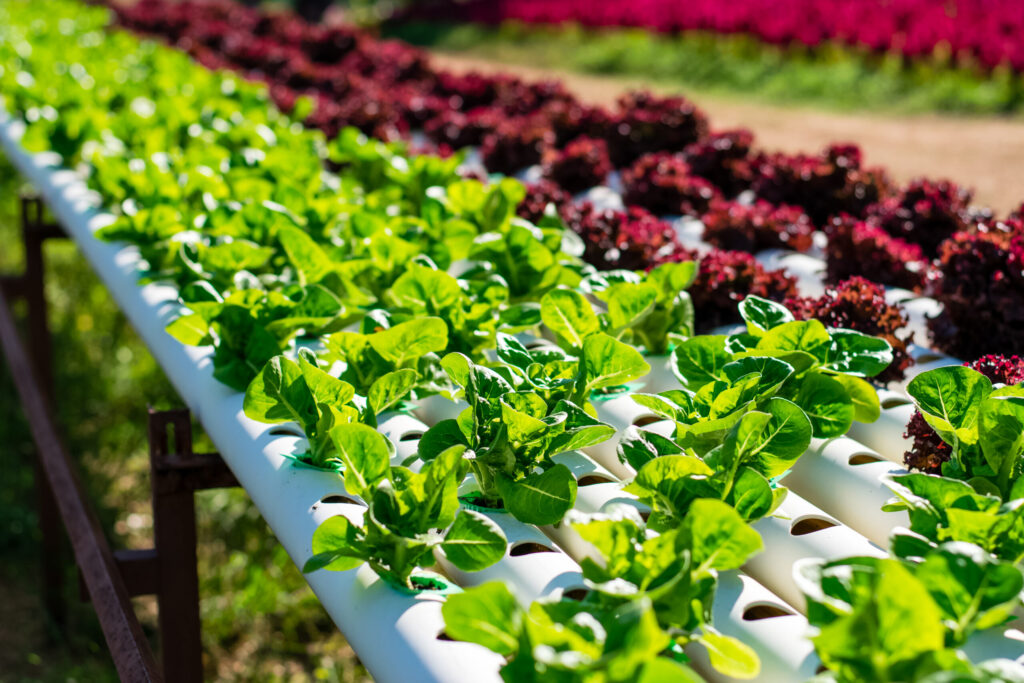
Popular hydroponic systems include nutrient film technique (NFT), deep water culture (DWC), drip systems, and aeroponics. Each has its advantages and challenges, but all rely on a precise balance of water, oxygen, and nutrients to promote healthy plant development.
Choose the Right Plants for Hydroponic Cultivation
Not all plants thrive equally in a hydroponic environment. Leafy greens such as lettuce, spinach, and kale are among the easiest and most popular choices for beginners due to their rapid growth and minimal space requirements. Herbs like basil, mint, cilantro, and parsley also perform exceptionally well in hydroponic systems, offering fresh flavors year-round.
Fruiting plants such as tomatoes, peppers, and cucumbers can be highly productive in hydroponics but require more attention to environmental factors like light and temperature. For instance, cherry tomatoes can produce abundant harvests in a well-maintained hydroponic setup, often reaching maturity in just 60-70 days.
When selecting plants, consider your local climate, available space, and personal preferences. Starting with easy-to-grow varieties can build confidence before moving on to more complex crops.
Set Up Your Hydroponic System Properly
Choosing the right system depends on your space, budget, and the types of plants you wish to grow. For beginners, a simple deep water culture (DWC) system is often recommended because of its straightforward design and ease of maintenance. This system involves suspending plant roots in a nutrient-rich oxygenated water solution.
Ensure your setup includes:
- A sturdy container: Use food-grade plastic or glass tanks that prevent leaks and contamination.
- A reliable pump: An air pump with air stones to oxygenate the water, promoting healthy root development.
- Nutrient delivery system: Drip emitters or spray nozzles for systems like drip or aeroponics.
- Lighting: If growing indoors, invest in full-spectrum LED grow lights that mimic natural sunlight, providing at least 12-16 hours of light daily for most plants.
- Support structures: Trellises or stakes for plants like tomatoes or cucumbers to support their growth.
Proper setup ensures that plants receive consistent nutrients and oxygen, which are critical for healthy growth. Regularly check for leaks, ensure the system is stable, and keep components clean to prevent disease.
Maintain Optimal Nutrient Balance
One of the most crucial aspects of hydroponic success is providing the right balance of nutrients. Hydroponic solutions typically contain macronutrients like nitrogen (N), phosphorus (P), and potassium (K), along with micronutrients such as magnesium, calcium, iron, and trace minerals.
Commercial nutrient mixes are available, but experienced growers often customize their solutions based on plant stage and specific needs. For example, during vegetative growth, plants require higher nitrogen levels to promote lush foliage, while flowering plants need increased phosphorus and potassium.
Monitoring the electrical conductivity (EC) and pH of your nutrient solution is vital. Most plants thrive in a pH range of 5.5 to 6.5. Use a reliable pH meter and EC meter to regularly test and adjust the solution. For instance, if the pH drifts above 6.5, adding pH down solutions can restore balance, ensuring nutrients are available for uptake.
Changing the nutrient solution every 1-2 weeks prevents the buildup of salts and pathogens, maintaining a healthy environment for your plants.
Control Environmental Conditions
Temperature, humidity, and light are critical factors influencing plant health in hydroponic systems. Maintaining optimal conditions can significantly improve growth rates and yields.
- Temperature: Keep daytime temperatures between 70-75°F (21-24°C) for most vegetables. Nighttime temperatures should not fall below 60°F (15°C) to prevent stress.
- Humidity: Maintain relative humidity levels around 50-70%. Too high humidity can promote mold and mildew, while too low can cause plant stress.
- Lighting: Ensure plants receive sufficient light intensity, typically 200-400 μmol/m²/sec for most vegetables. Use timers to provide consistent light cycles, mimicking natural day-night patterns.
Using fans and ventilation systems helps regulate temperature and humidity, especially in indoor setups. Additionally, monitoring tools like hygrometers and thermometers provide real-time data to make informed adjustments.
Implement Pest and Disease Management Strategies
Although hydroponic systems reduce soil-borne pests and diseases, they are not immune. Common issues include fungal infections, mold, and pest infestations like aphids or whiteflies.
Preventative measures include:
- Maintaining cleanliness: Regularly sterilize equipment and remove dead plant material.
- Monitoring plants: Frequently inspect for signs of pests or disease, such as discolored leaves or sticky residue.
- Using biological controls: Introduce beneficial insects like ladybugs or predatory mites to naturally control pest populations.
- Applying organic treatments: Use neem oil or insecticidal soaps as needed, following manufacturer instructions.
Proper airflow and humidity control also help prevent fungal issues. Quarantining new plants before introducing them into your system can prevent the spread of pests or diseases.
Regular Maintenance and Troubleshooting
Consistent maintenance is key to a successful hydroponic garden. Schedule weekly checks to:
- Inspect plant health and growth progress.
- Test and adjust pH and EC levels.
- Change or top up nutrient solutions.
- Clean reservoirs and tubing to prevent algae and pathogen buildup.
- Ensure lighting and environmental controls are functioning properly.
If plants show signs of nutrient deficiencies—such as yellowing leaves (nitrogen deficiency) or poor flowering (potassium deficiency)—adjust your nutrient mix accordingly. Troubleshooting common problems like root rot involves checking for overly wet roots, improving oxygenation, and reducing water temperature if necessary.
Harvesting and Post-Harvest Care
Timely harvesting maximizes flavor, nutrition, and shelf life. For leafy greens, harvest leaves when they reach a desirable size, usually about 4-6 inches tall. For fruiting plants, wait until fruits are fully ripe—tomatoes should be deep red, peppers firm and brightly colored.
Use clean scissors or pruning shears to harvest, avoiding damage to the plant. After harvesting, rinse produce thoroughly to remove any residual nutrients or pests. Proper storage—such as refrigeration—helps prolong freshness.
Regular harvesting also encourages continuous production, especially in crops like lettuce or basil, which can be harvested multiple times from the same plant.
Conclusion: Growing Hydroponically with Confidence
Hydroponic gardening offers a rewarding way to grow fresh, organic produce year-round, regardless of outdoor conditions. By understanding the fundamental principles—such as selecting suitable plants, setting up an efficient system, maintaining optimal nutrient and environmental conditions, and practicing diligent care—you can enjoy a bountiful harvest.
Start small, learn from each cycle, and gradually expand your setup as you gain experience. With patience and attention to detail, hydroponic gardening can become a sustainable and enjoyable hobby that provides nutritious food and a satisfying connection to nature.
Questions You Might Have
What are the main advantages of hydroponic growing?
Hydroponic growing allows for faster plant growth and higher yields compared to traditional soil gardening because plants have direct access to nutrients. It also uses less water since the system recycles nutrient solutions, making it more environmentally friendly. Additionally, hydroponics can be practiced indoors or in limited spaces, enabling year-round cultivation regardless of outdoor weather conditions.
What are common types of hydroponic systems?
Common hydroponic systems include Nutrient Film Technique (NFT), Deep Water Culture (DWC), and Ebb and Flow (Flood and Drain). Each system has its unique setup and benefits, such as ease of maintenance or suitability for different types of plants. Choosing the right system depends on factors like space, budget, and the specific crops being grown.
How do I maintain nutrient levels in a hydroponic system?
Maintaining proper nutrient levels involves regularly testing the nutrient solution with a pH and EC (electrical conductivity) meter. Adjustments are made by adding specific nutrients or pH balancing solutions to ensure plants receive the correct balance for optimal growth. Consistent monitoring and timely adjustments are essential to prevent deficiencies or toxicities that could harm the plants.
