


Instant Answer: Fresh herbs offer a more vibrant flavor and aroma compared to dried herbs, enhancing the taste of dishes. They also contain higher levels of essential oils and nutrients, which can provide additional health benefits. Dried herbs have a longer shelf life and are more convenient for storage and use over time. However, dried herbs tend to have a more concentrated flavor, so they should be used in smaller quantities than fresh herbs.
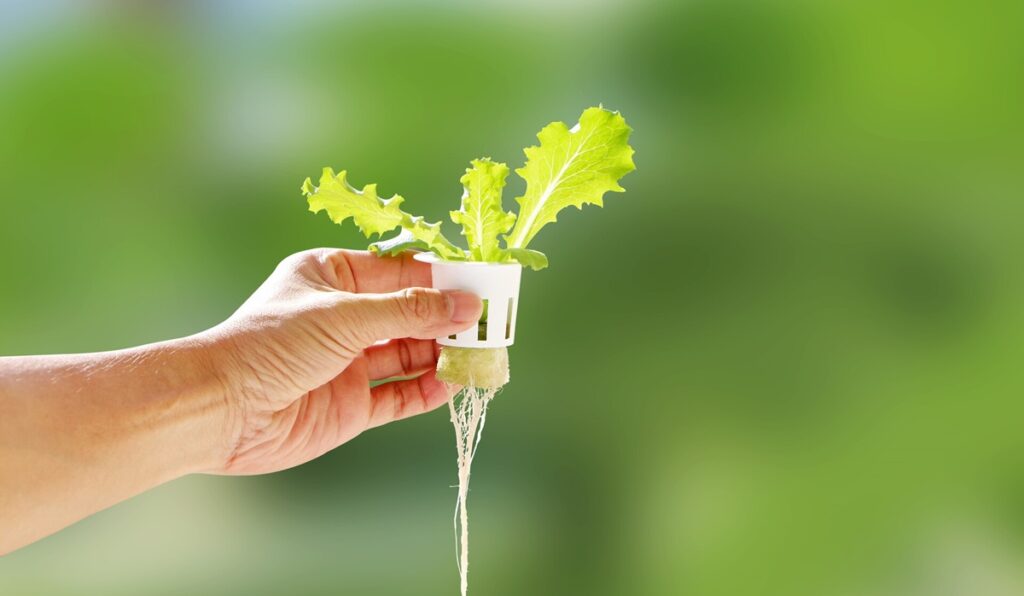
Table of Contents
- The Benefits of Using Fresh Herbs in Cooking
- Enhancing Flavor and Aroma
- Health Benefits of Fresh Herbs
- Practical Tips for Selecting Fresh Herbs
- Proper Storage Techniques
- Creative Ways to Incorporate Fresh Herbs
- Growing Your Own Herbs
- Conclusion
- Other Questions People Ask
- What are some essential kitchen tools for beginner cooks?
- How can I improve my cooking skills at home?
- What are some common mistakes to avoid when cooking pasta?
The Benefits of Using Fresh Herbs in Cooking
Fresh herbs bring a burst of vibrancy to any dish, their fragrant leaves releasing a lively aroma that instantly elevates the culinary experience. Unlike dried herbs, they retain a higher concentration of essential oils and nutrients, offering not only richer flavor but also subtle health benefits. The delicate, bright notes of basil, cilantro, or parsley can transform a simple meal into something memorable, making every bite feel more alive. While dried herbs are convenient and long-lasting, the fresh variety provides a nuanced complexity that can’t be fully replicated, encouraging cooks to embrace their fleeting, aromatic presence in the kitchen.
Enhancing Flavor and Aroma
Fresh herbs are a cornerstone of flavorful cooking. Unlike dried herbs, which can sometimes lose their potency over time, fresh herbs provide a burst of vibrant flavor and a fragrant aroma that can elevate any dish. For example, adding freshly chopped basil to a Caprese salad introduces a sweet, peppery note that complements the creamy mozzarella and ripe tomatoes. Similarly, a handful of chopped cilantro can brighten up a bowl of spicy Mexican salsa, adding freshness and depth.
Herbs like rosemary and thyme lend a woody, pine-like aroma that pairs beautifully with roasted meats and vegetables. Mint, with its cool, refreshing scent, is perfect in beverages like mojitos or in salads such as tabbouleh. Parsley, often used as a garnish, also has a clean, slightly peppery flavor that can balance rich dishes like creamy soups or stews.
Using fresh herbs at different stages of cooking can also influence the final flavor. For example, adding basil at the end of cooking preserves its delicate aroma, while rosemary can withstand longer simmering, infusing the dish with its robust scent.
Health Benefits of Fresh Herbs
Beyond their culinary appeal, fresh herbs are packed with nutrients and phytochemicals that can support your health. Many herbs contain antioxidants, vitamins, and minerals that contribute to overall wellness. For instance, parsley is rich in vitamin C, vitamin K, and folate, which support immune function and blood clotting. Basil contains essential oils like eugenol, which has anti-inflammatory properties, and is also a good source of vitamin A and manganese.
Mint has been traditionally used to aid digestion and soothe stomach discomfort, thanks to its menthol content. Cilantro is known for its detoxifying properties and high levels of antioxidants, which can help combat oxidative stress. Thyme and rosemary contain compounds that may improve circulation and have antimicrobial effects, potentially reducing the risk of infections.
Incorporating a variety of fresh herbs into your diet can also help reduce reliance on salt and processed seasonings, promoting healthier eating habits. For example, instead of reaching for salt to flavor roasted vegetables, sprinkle them with fresh thyme and garlic for a savory taste without added sodium.
Practical Tips for Selecting Fresh Herbs
Choosing the freshest herbs is essential to maximize flavor and nutritional benefits. When shopping at your local farmers’ market or grocery store, look for herbs with vibrant, green leaves that are free from wilting or yellowing. The stems should be firm and moist, not dry or brittle.
For herbs like basil, smell the leaves to ensure they have a strong, aromatic scent. If the herb has a faint or off smell, it may be past its prime. For woody herbs such as rosemary, thyme, or sage, check that the stems are sturdy and free from mold or dark spots.
Consider purchasing herbs in small quantities if you don’t plan to use them immediately, as fresh herbs tend to spoil quickly. Buying from local farmers or growing your own herbs at home can ensure a steady supply of fresh, flavorful herbs year-round.
Proper Storage Techniques
Proper storage extends the shelf life of your fresh herbs and preserves their flavor. For soft herbs like basil, cilantro, and parsley, treat them like cut flowers. Trim the stems and place them in a jar of water, covering the leaves loosely with a plastic bag. Store the jar in the refrigerator, changing the water every couple of days. This method keeps herbs fresh for up to a week.
For hardy herbs such as rosemary, thyme, and sage, store them in a paper towel-lined container or wrap them loosely in a damp cloth and place them in the crisper drawer of your refrigerator. Alternatively, you can freeze herbs by chopping them and placing them in ice cube trays with a little water or olive oil, then transferring the cubes to a sealed bag for future use.
Avoid storing herbs near fruits like apples or bananas, which emit ethylene gas that can accelerate spoilage. Also, keep herbs away from direct sunlight to prevent wilting and loss of flavor.
Creative Ways to Incorporate Fresh Herbs
- Herb-infused oils and vinegars: Steep fresh herbs like rosemary, thyme, or basil in olive oil or vinegar to create flavorful condiments that can be drizzled over salads, grilled vegetables, or roasted meats.
- Herb butter: Mix softened butter with chopped herbs such as chives, parsley, and tarragon. Use it to top grilled steaks, spread on warm bread, or melt over steamed vegetables.
- Herb garnishes: Use sprigs or chopped leaves to garnish soups, stews, and pasta dishes, adding both visual appeal and fresh flavor.
- Herb smoothies and beverages: Blend fresh mint or basil into smoothies or lemonade for a refreshing twist. Mint-infused water is also a simple way to stay hydrated with a hint of flavor.
- Herb-based sauces and dips: Prepare pesto with basil and pine nuts, chimichurri with parsley and oregano, or tzatziki with dill and cucumber for vibrant accompaniments.
Growing Your Own Herbs
Growing herbs at home is a rewarding way to ensure a fresh supply and experiment with different varieties. Many herbs thrive in containers on windowsills, balconies, or garden beds. Popular easy-to-grow herbs include basil, mint, cilantro, parsley, thyme, and rosemary.
Ensure your herbs receive adequate sunlight—most prefer at least 4-6 hours of direct sunlight daily. Use well-draining soil and water them regularly, but avoid overwatering to prevent root rot. Harvest herbs frequently to encourage bushier growth and prevent flowering, which can diminish flavor.
Growing your own herbs not only guarantees freshness but also allows you to experiment with unique varieties, such as Thai basil, lemon thyme, or purple basil, adding diversity to your culinary repertoire.
Conclusion
Incorporating fresh herbs into your cooking is a simple yet powerful way to enhance flavor, boost health, and add a touch of nature’s beauty to your meals. Whether you buy them from the store, grow your own, or preserve them through creative methods, fresh herbs are an invaluable ingredient that can elevate everyday dishes into memorable culinary experiences. Start experimenting today by adding a handful of chopped basil to your pasta, a sprig of rosemary to your roast, or a few mint leaves to your beverage, and enjoy the rich flavors and health benefits they bring to your table.
Other Questions People Ask
What are some essential kitchen tools for beginner cooks?
Beginner cooks should start with basic tools such as a sharp chef's knife, cutting boards, measuring cups and spoons, a mixing bowl, and a reliable skillet or frying pan. These tools help in preparing a wide variety of recipes and ensure safety and efficiency in the kitchen. As skills develop, more specialized tools can be added to expand cooking capabilities.
How can I improve my cooking skills at home?
Improving your cooking skills involves practicing regularly, following recipes closely, and learning basic techniques like chopping, sautéing, and boiling. Watching cooking tutorials, reading cookbooks, and experimenting with different ingredients can also enhance your understanding. Over time, gaining confidence and understanding flavor combinations will make you a more skilled home cook.
What are some common mistakes to avoid when cooking pasta?
One common mistake is not using enough water, which can cause the pasta to stick together. Overcooking or undercooking pasta can also ruin the texture, so it's important to follow the recommended cooking times and taste test for doneness. Additionally, not salting the water can result in bland pasta, so adding salt to the boiling water enhances flavor.