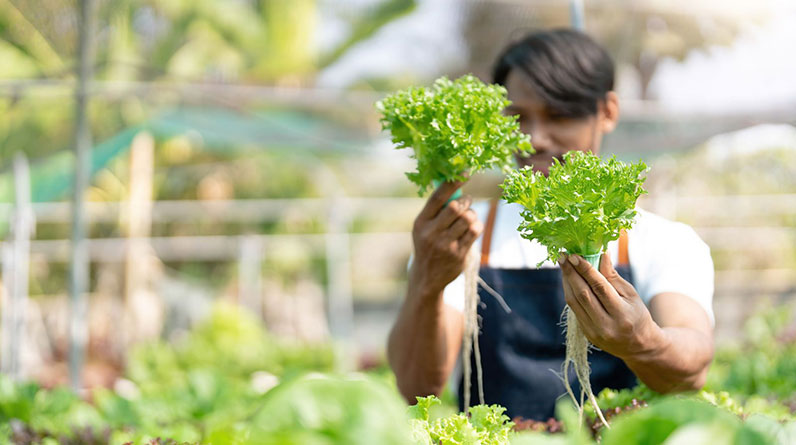
Urban gardening enthusiasts often face the challenge of limited space, but vertical hydroponic gardening offers an innovative solution that maximizes productivity while minimizing the footprint. By utilizing vertical space, you can grow a wide variety of plants—herbs, vegetables, and even flowers—without the need for traditional soil gardening. This method leverages hydroponics, where plants are nurtured in nutrient-rich water instead of soil, allowing for faster growth and higher yields in confined areas.
The stakes are high for urban gardeners who may not have access to a large backyard or garden plot. Common mistakes include choosing the wrong system, neglecting the importance of light and water quality, or underestimating the maintenance required. These pitfalls can lead to disappointing results, discouraging potential green thumbs from pursuing their gardening ambitions. Prioritizing the right setup and understanding your specific environment—such as available light, humidity, and temperature—are crucial to achieving success in vertical hydroponic gardening.
Additionally, the tradeoffs between different hydroponic systems, such as nutrient film technique (NFT), deep water culture (DWC), and aeroponics, can significantly affect your gardening experience. Each system has its own benefits and drawbacks, and what works best often depends on your budget, skill level, and the types of plants you wish to grow. Understanding these factors will help you make informed decisions that lead to a thriving urban garden.
Choosing the Right Vertical Hydroponic System
When selecting a vertical hydroponic system, understanding the variety of designs available is essential. Systems range from simple DIY setups to complex commercial-grade units. For small spaces, options like tower gardens or wall-mounted planters can be particularly effective. Consider factors such as ease of assembly, scalability, and whether the system can accommodate the specific types of plants you want to grow.
Many beginners might assume that a more expensive system guarantees better results, but this is not always the case. Often, a basic, well-designed system can yield excellent results if it suits your growing conditions and plant choices. Be sure to assess your available space and the resources you are willing to allocate for maintenance and troubleshooting. The wrong choice here can lead to frustration and wasted resources, so take the time to research and visualize how the system will fit into your life.
Essential Components for Success
A successful vertical hydroponic garden requires more than just plants and a system. Key components include a reliable water pump, reservoir, nutrient solution, and a quality grow light if natural light is insufficient. Each of these elements plays a vital role in the overall health and productivity of your plants. The water pump, for instance, circulates the nutrient solution, ensuring that plants receive a consistent supply of nutrients.
Neglecting any of these components can lead to poor plant health. For example, using low-quality nutrients can result in deficient or imbalanced growth, while inadequate lighting can stunt plant development. Prioritize investing in high-quality nutrients and equipment tailored to your specific plants’ needs. Understand that your budget will influence the quality and effectiveness of these components, so carefully evaluate what you can afford without compromising essential functions.
Managing Light and Environment
Light is one of the most critical factors in vertical hydroponic gardening. If growing indoors, supplemental grow lights are often necessary to provide the intensity and spectrum that plants require for photosynthesis. LED grow lights are popular for their energy efficiency and longevity, but they come in various price ranges. Balancing your budget with the need for adequate lighting is crucial for plant success.
Additionally, consider environmental factors like temperature and humidity. Many urban settings can create microclimates that affect plant growth. A common mistake is to overlook the importance of monitoring these variables. Devices like hygrometers and thermometers can help maintain optimal conditions. If your environment fluctuates significantly, think about investing in climate control systems, as they can dramatically improve plant health and yield.
Common Mistakes and How to Avoid Them
Even seasoned gardeners can fall prey to pitfalls when transitioning to vertical hydroponic systems. One frequent error is overcrowding plants, which can lead to poor air circulation and increased susceptibility to pests and diseases. Proper spacing is vital for healthy growth, so follow guidelines for each plant species to maximize airflow and light exposure.
Another common mistake is failing to regularly check and adjust the pH and nutrient levels of the water. Neglecting this aspect can lead to nutrient lockout, where plants can’t absorb essential elements, resulting in stunted growth or even death. To avoid this, incorporate regular monitoring into your gardening routine. Establishing a consistent maintenance schedule can save you from larger issues down the line, ensuring that your vertical hydroponic garden remains productive and healthy.
Frequently Asked Questions
What is vertical hydroponic gardening?
Vertical hydroponic gardening is a method of growing plants in a vertical arrangement, using a nutrient-rich water solution instead of soil.
How do I choose the right plants for my vertical hydroponic garden?
Consider selecting fast-growing herbs and leafy greens, as they typically thrive in hydroponic systems and are space-efficient.
Do I need special equipment for vertical hydroponic gardening?
Yes, essential equipment typically includes a hydroponic system, grow lights, a water pump, and nutrient solutions.
How often should I check the nutrient levels in my system?
It’s advisable to check nutrient levels at least once a week to ensure optimal plant health and growth.
Can I grow fruiting plants in a vertical hydroponic system?
Yes, many fruiting plants can be grown vertically, but they may require more space and support than leafy greens or herbs.
Conclusion
Elevating your urban garden through vertical hydroponic gardening can transform your limited space into a thriving green oasis. The key to success lies in selecting the right system, understanding essential components, and managing environmental factors effectively. By avoiding common pitfalls and prioritizing plant health, you can enjoy a bountiful harvest, even in the heart of the city. Take the first step by researching systems that fit your needs, and soon you’ll be reaping the rewards of your urban gardening adventure.