


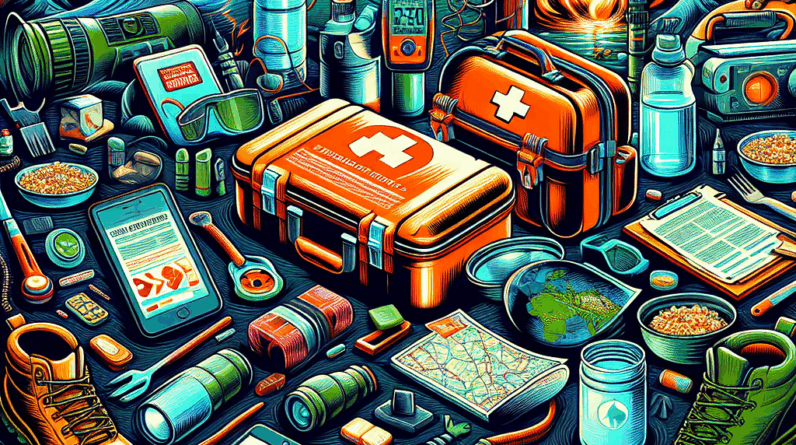
Preparing for disasters is more crucial than ever as we approach 2025. With the increasing unpredictability of climate events and technological threats, having a solid plan can make a significant difference in safety and resilience. This guide will walk you through ten vital steps to enhance your preparedness and ensure you and your family can face any emergency confidently.
Develop a Comprehensive Emergency Plan
Having an emergency plan is fundamental to disaster preparedness. By 2025, the unpredictable nature of natural disasters, exacerbated by climate change, underscores the need for a well-crafted emergency plan. It’s crucial for every household member to understand their role in a crisis, know the evacuation routes, and have knowledge of safe shelters. Begin by assessing potential hazards specific to your locality. For example, if residing in a flood-prone area, your plan should prioritize evacuation routes and safe shelters, whereas urban settings might require a focus on escape routes from fires or chemical spills.
Involving everyone in the planning process ensures clarity and adherence when a disaster strikes. Regular drills can help identify any shortcomings in your plan, allowing for timely revisions. Remember, the effectiveness of a disaster preparedness guide hinges on the quality of the planning that goes into it.
Key Components of an Emergency Plan
Your emergency plan should encompass essential elements such as communication strategies, evacuation procedures, and safe spaces. Establishing robust communication is crucial, especially when conventional methods might be unavailable. Consider multiple evacuation routes and modes of transport to ensure flexibility during a crisis. Assign specific roles to each family member, taking into account the needs of children, the elderly, and pets.
It’s important to keep your plan updated with any new threats or changes in household circumstances. Utilize digital tools and apps for emergency planning to ensure all members are informed about the latest protocols of your disaster preparedness guide.
Build a Well-Stocked Emergency Kit
A well-equipped emergency kit is vital for survival during a disaster. By 2025, it’s advisable to customize your kit with essential supplies like food, water, medications, and hygiene products, sufficient for at least 72 hours per family member. Also, consider including batteries, flashlights, a first aid kit, and devices to stay connected during power outages.
Do not overlook special needs for infants, the elderly, or pets, such as formula, diapers, and pet food. Store your kit in an easily accessible location and keep its contents up to date, replacing expired items as needed.
Organizing and Maintaining Your Kit
Effective organization of your emergency kit can ease access during an emergency. Use clear, labeled containers or backpacks to segregate supplies into easily retrievable categories. Regular maintenance of your kit is essential; check expiration dates and replace used items regularly.
Consider having multiple kits in different locations, such as your home, car, and workplace, to ensure you are prepared no matter where you are when a disaster strikes.
Stay Informed with Reliable Alerts
In 2025, staying informed through reliable alert systems is critical. Technologies like NOAA weather alerts, mobile notifications, and community sirens are invaluable for receiving timely updates. Ensure you have multiple sources set up so you don’t miss crucial alerts.
Regularly test your systems, subscribe to local emergency services, and follow credible social media accounts for real-time updates. Maintain a mix of digital and traditional communication methods to ensure comprehensive coverage.
Tips for Effective Monitoring
Customize your alert settings to match the specific threats in your area. Educate your family on how to respond to different types of alerts and keep a battery-powered radio or a NOAA weather radio ready in case of power outages.
Staying informed is a crucial part of your disaster preparedness strategy, enabling you to act swiftly and appropriately in the face of emergencies.
Secure Important Documents Digitally
The digital security of important documents is crucial in 2025. Scan and store key documents like passports, licenses, and insurance policies in encrypted digital formats. Utilize secure cloud storage services to ensure these documents are accessible from anywhere, anytime.
Create a digital disaster preparedness guide that includes information on where these files are stored for quick access during emergencies. Set up strong security measures like multi-factor authentication and regular backups to protect your information.
Physical Backup Strategies
Despite the emphasis on digital, having physical copies of important documents is still crucial. Store these copies in a secure, waterproof, and fireproof location. Clearly label them for quick retrieval when needed.
Regularly check both your digital and physical backups to ensure they are up to date and intact. This dual approach ensures that you are well-prepared to handle various disaster scenarios in 2025.
Frequently Asked Questions about Disaster Preparedness Guide 2025
1. What is a disaster preparedness guide, and why is it essential in 2025?
A disaster preparedness guide offers detailed strategies, tips, and checklists for emergency situations. Given the increasing frequency of climate-related disasters and technological threats in 2025, such a guide is invaluable for enhancing safety and effective response.
2. How often should I review my disaster preparedness plan?
It is recommended to review your disaster preparedness plan at least twice a year, particularly before known disaster seasons. Regular updates and drills are crucial for maintaining an effective response capability.
3. What are the top items to include in an emergency kit in 2025?
Your emergency kit should contain essential items such as water, non-perishable food, medications, first aid supplies, batteries, flashlights, hygiene products, and digital backup chargers. Additional items like masks and disinfectants may also be necessary, considering ongoing health concerns.
4. How can I stay informed about local emergencies?
Utilize local weather and emergency alert apps, participate in community siren tests, follow official social media updates, and keep a battery-powered radio handy. These methods will help you stay informed and ready to act in the event of an emergency.
Frequently Asked Questions
Conclusion
A robust disaster preparedness guide is your key to navigating the challenges of 2025 effectively. By implementing these tips and continuously updating your strategies and supplies, you can enhance your safety and resilience during emergencies. Preparation is not a one-time task but an ongoing process that builds safety and peace of mind for you and your loved ones. Begin today to ensure that 2025 is your safest year yet.