


Instant Answer: Hydroponics is suitable for growing many types of vegetables, especially leafy greens, herbs, and some fruiting plants like tomatoes and peppers. However, it may not be ideal for root vegetables such as carrots, potatoes, and beets, which require soil to develop properly. The system’s success depends on the specific plant’s growth requirements and the ability to replicate those conditions in a soilless environment. Therefore, while hydroponics is versatile, it is not universally suitable for all vegetable types.
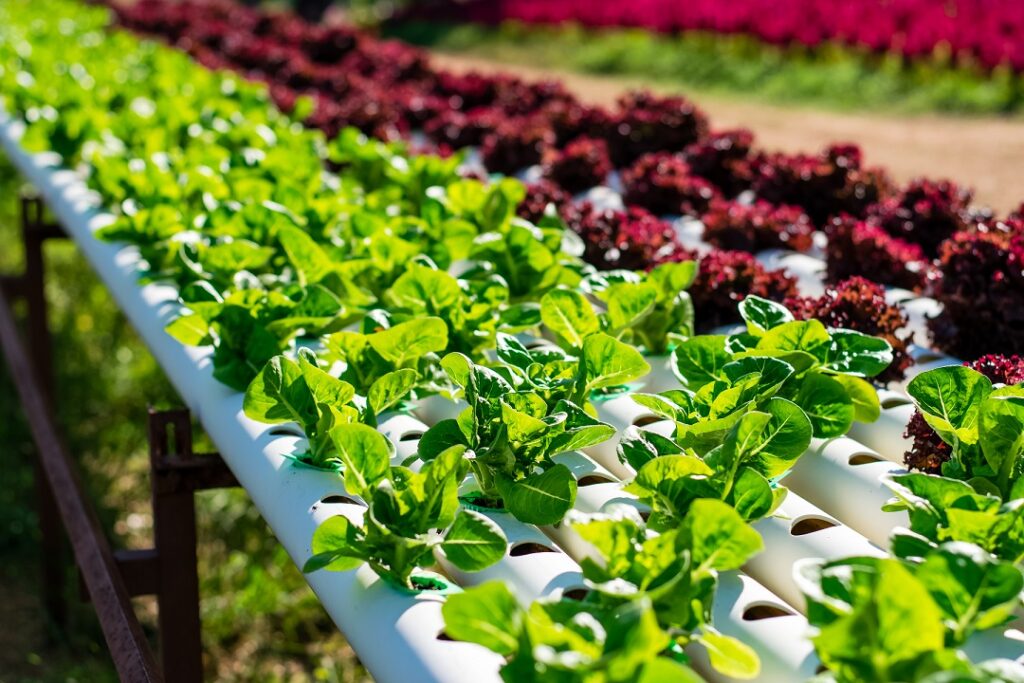
Table of Contents
- The Versatility of Hydroponics for Growing Various Vegetables
- Understanding the Basics of Hydroponic Systems
- Growing Leafy Greens and Herbs
- Growing Root Vegetables in Hydroponics
- Growing Fruit-Bearing Vegetables
- Managing Nutrients and Water Quality
- Environmental Control and Maintenance
- Advantages and Challenges of Hydroponic Vegetable Growing
- Getting Started with Your Hydroponic Garden
- Conclusion
- Other Questions People Ask
- What are the main benefits of hydroponic gardening?
- What types of plants are best suited for hydroponic systems?
- What are common challenges faced in hydroponic gardening?
The Versatility of Hydroponics for Growing Various Vegetables
Hydroponics offers a dynamic way to cultivate a wide array of vegetables, transforming the traditional garden into a controlled, soil-free environment. Leafy greens like lettuce and spinach flourish under precise nutrient delivery, while herbs such as basil and mint thrive with minimal space and fuss. Even some fruiting plants, including tomatoes and peppers, adapt well to hydroponic systems, producing abundant yields in a fraction of the time compared to soil planting. However, this method isn’t a one-size-fits-all solution; root vegetables like carrots and potatoes often struggle without the soil’s natural support, highlighting the importance of understanding each plant’s unique needs to maximize success.
Hydroponics, the method of growing plants without soil by using mineral nutrient solutions in an aqueous solvent, has revolutionized modern agriculture. Its versatility allows for the cultivation of a wide variety of vegetables, from leafy greens like lettuce and spinach to root vegetables such as carrots and radishes, as well as fruiting plants like tomatoes and peppers. This method offers numerous advantages, including faster growth rates, higher yields, and the ability to grow in areas with limited space or poor soil conditions. Whether you are a seasoned gardener or a beginner interested in sustainable farming practices, understanding the potential of hydroponics can open up new opportunities for fresh, homegrown produce.
Understanding the Basics of Hydroponic Systems
Before diving into specific vegetable cultivation, it’s essential to understand the fundamental types of hydroponic systems available. Each system has its unique setup, maintenance requirements, and suitability for different types of vegetables.
- Nutrient Film Technique (NFT): This system involves a thin film of nutrient-rich water flowing over the roots of plants housed in a slight incline. It’s ideal for leafy greens like lettuce, basil, and spinach due to its efficient water use and ease of maintenance.
- Deep Water Culture (DWC): Plants are suspended in a nutrient solution with their roots submerged directly in the water. DWC is excellent for fast-growing vegetables such as kale, Swiss chard, and herbs like cilantro.
- Flood and Drain (Ebb and Flow): The system periodically floods the plant roots with nutrient solution and then drains it back into a reservoir. This setup is versatile and suitable for a broad range of vegetables, including tomatoes and peppers.
- Wick System: A passive system where a wick draws nutrient solution from a reservoir to the plant roots. It’s simple and low-cost, making it perfect for small-scale or beginner growers growing herbs and small vegetables.
Choosing the right system depends on your available space, budget, and the specific vegetables you wish to grow. For example, leafy greens thrive in NFT systems, while fruiting plants like tomatoes often perform better in flood and drain setups.
Growing Leafy Greens and Herbs
Leafy greens and herbs are among the easiest vegetables to cultivate hydroponically, making them excellent choices for beginners. They grow quickly, require minimal space, and can be harvested multiple times throughout the season.
For instance, lettuce varieties such as Romaine, Butterhead, and Leaf Lettuce flourish in hydroponic systems. They typically mature within 30 to 45 days, providing a rapid harvest cycle. Basil, cilantro, parsley, and mint are also popular herbs that thrive in hydroponic setups, often with minimal maintenance.
To optimize growth:
- Maintain optimal nutrient levels: Leafy greens need a balanced mix of nitrogen, phosphorus, and potassium. Regularly test and adjust nutrient solutions to prevent deficiencies.
- Control light exposure: Provide 12-16 hours of light daily using grow lights if natural sunlight is insufficient. LED grow lights are energy-efficient and customizable for different plant needs.
- Ensure proper airflow and humidity: Good air circulation prevents mold and disease, while maintaining humidity levels around 50-70% supports healthy growth.
With consistent care, you can harvest fresh, flavorful greens and herbs multiple times a year, reducing reliance on store-bought produce and enjoying the benefits of organic, pesticide-free vegetables.
Growing Root Vegetables in Hydroponics
Root vegetables such as carrots, radishes, beets, and turnips can also be successfully cultivated hydroponically, although they require specific system considerations. Their growth depends heavily on the medium used and the system’s ability to support root development.
For example, deep water culture systems with a loose, well-aerated medium like coconut coir or perlite can support root expansion. Alternatively, vertical hydroponic towers with individual containers allow roots to grow downward freely, mimicking soil conditions.
Growing root vegetables hydroponically offers several benefits:
- Faster growth: Without soil-borne pests and diseases, root vegetables can develop more quickly and healthily.
- Cleaner harvests: Roots are easier to harvest and less likely to be contaminated with soil or dirt.
- Space efficiency: Vertical systems maximize limited space, making them ideal for urban gardening or small greenhouses.
To succeed, ensure the nutrient solution contains adequate levels of potassium and phosphorus, which are vital for root development. Regularly monitor moisture levels and provide sufficient aeration to prevent root rot and promote healthy growth.
Growing Fruit-Bearing Vegetables
Fruiting vegetables such as tomatoes, peppers, cucumbers, and eggplants are highly popular in hydroponic gardens due to their high yield potential and nutritional value. These plants generally require more support and specific environmental conditions to thrive.
For example, hydroponic tomato cultivation often involves using flood and drain systems or vertical towers with trellises to support the plant’s growth. Tomatoes need consistent temperature control, adequate lighting (around 16 hours daily), and proper pollination, which can be facilitated by gentle airflow or manual shaking of plants.
Similarly, peppers and cucumbers benefit from similar setups, with attention to humidity levels and nutrient balance. These vegetables typically require higher levels of potassium and calcium to prevent common issues like blossom end rot and fruit cracking.
Growing fruiting vegetables hydroponically offers the advantage of faster fruit production—often 20-30% quicker than traditional soil gardening—and the ability to control pests and diseases more effectively. Regular pruning and training of plants are essential to maximize airflow and light penetration, leading to higher yields.
Managing Nutrients and Water Quality
One of the critical aspects of successful hydroponic gardening is maintaining optimal nutrient levels and water quality. Since plants rely entirely on the nutrient solution, any imbalance can lead to deficiencies or toxicities that stunt growth or cause plant death.
Common nutrients include:
- Nitrogen (N): Promotes lush, leafy growth.
- Phosphorus (P): Supports root development and flowering.
- Potassium (K): Enhances overall plant health and fruiting.
- Micronutrients: Such as magnesium, calcium, iron, manganese, zinc, and copper, which are vital in small amounts.
Regular testing of the nutrient solution using a TDS (Total Dissolved Solids) meter and pH testing kit helps ensure plants receive the right balance. Most vegetables prefer a pH between 5.5 and 6.5. Adjustments can be made with pH up or down solutions available at gardening stores.
Water quality is equally important. Using filtered or distilled water can prevent the buildup of harmful minerals or contaminants. Additionally, maintaining proper aeration through air stones or pumps ensures roots receive sufficient oxygen, preventing root rot and promoting vigorous growth.
Environmental Control and Maintenance
Successful hydroponic gardening requires a controlled environment. Temperature, humidity, light, and airflow must be monitored and adjusted regularly.
- Temperature: Most vegetables grow best between 65-75°F (18-24°C). Tomatoes and peppers prefer slightly warmer conditions, while leafy greens tolerate cooler temperatures.
- Humidity: Maintaining humidity around 50-70% helps prevent plant stress and disease.
- Lighting: Use full-spectrum LED grow lights to mimic natural sunlight, especially in indoor setups or regions with limited sunlight.
- Air Circulation: Proper ventilation reduces humidity buildup and prevents fungal diseases. Fans can be used to improve airflow.
Regular maintenance includes cleaning reservoirs, replacing nutrient solutions every 2-3 weeks, and inspecting plants for pests or diseases. Implementing integrated pest management (IPM) strategies, such as introducing beneficial insects or organic sprays, can keep pests at bay without harmful chemicals.
Advantages and Challenges of Hydroponic Vegetable Growing
Hydroponics offers numerous benefits:
- Faster Growth and Higher Yields: Plants often grow 25-50% faster than in soil, with increased productivity per square foot.
- Water Efficiency: Hydroponic systems use up to 90% less water than traditional soil gardening, making them environmentally friendly.
- Space Optimization: Vertical and compact systems enable urban dwellers to grow large quantities of vegetables in limited spaces.
- Reduced Pest and Disease Pressure: Soil-borne pests and diseases are minimized, reducing the need for chemical interventions.
However, challenges include the initial setup costs, the need for precise nutrient management, and the risk of system failures such as pump malfunctions or nutrient imbalances. Regular monitoring and maintenance are essential to ensure consistent production.
Getting Started with Your Hydroponic Garden
Starting a hydroponic garden involves several steps:
- Choose your system: Based on your space, budget, and the vegetables you want to grow, select an appropriate hydroponic setup.
- Gather materials: This includes containers, grow lights, pumps, tubing, nutrient solutions, and growing mediums like coconut coir or perlite.
- Set up your environment: Ensure proper lighting, temperature control, and ventilation.
- Prepare your nutrient solution: Mix according to manufacturer instructions, adjusting pH and nutrient concentrations as needed.
- Plant your seeds or seedlings: Use starter plugs or direct sow into the chosen medium.
- Monitor and maintain: Regularly check water levels, nutrient concentrations, pH, and plant health.
With patience and attention to detail, you can enjoy a continuous supply of fresh, organic vegetables year-round, regardless of outdoor weather conditions or soil quality.
Conclusion
Hydroponics is a versatile and efficient method for growing a wide range of vegetables, from leafy greens to root crops and fruiting plants. Its adaptability makes it suitable for urban gardens, greenhouses, and even indoor spaces. By understanding system types, nutrient management, and environmental controls, growers can maximize yields and produce high-quality vegetables with minimal resource use. Whether you aim to supplement your diet with fresh herbs or establish a full-scale vegetable garden, hydroponics offers a sustainable and innovative solution to meet your gardening goals.
Other Questions People Ask
Question about The Versatility of Hydroponics for Growing Various Vegetables …?
Hydroponics is highly versatile and suitable for growing many types of vegetables, especially leafy greens, herbs, and some fruiting plants like tomatoes and peppers. However, it may not be ideal for root vegetables such as carrots and potatoes, which require soil to develop properly. The success of hydroponic cultivation depends on replicating each plant’s specific growth conditions in a soilless environment. Therefore, understanding the plant’s needs is crucial for maximizing yields.
What is The Versatility of Hydroponics for Growing Various Vegetables and why is it important?
Understanding what The Versatility of Hydroponics for Growing Various Vegetables entails provides a solid foundation for further learning. It encompasses both the key concepts and the role it plays in its broader context. Knowing why it matters helps you prioritize it appropriately and recognize the benefits it can offer. This perspective also guides your decisions about when and how to apply The Versatility of Hydroponics for Growing Various Vegetables.
How do you choose the right The Versatility of Hydroponics for Growing Various Vegetables?
Selecting the right The Versatility of Hydroponics for Growing Various Vegetables depends on your specific goals and circumstances. Consider factors such as quality, applicability, and how well it aligns with your needs. Researching options and comparing features will help you make an informed choice. Taking the time to evaluate these aspects ensures a better fit and greater success.