Instant Insight: Hydroponic gardening can be worth it for those seeking faster plant growth, higher yields, and efficient use of space and water. It reduces the need for soil, minimizes pests, and allows for year-round cultivation in controlled environments. However, it requires an initial investment in equipment and ongoing maintenance, which may not be suitable for everyone. Overall, it is a productive and sustainable method if properly managed.
Article Guide
- Benefits of Hydroponic Gardening for Year-Round Growth
- Introduction to Hydroponic Gardening
- Advantages of Hydroponic Gardening
- Types of Hydroponic Systems Suitable for Year-Round Growth
- Practical Steps to Start Hydroponic Gardening for Year-Round Growth
- Crop Selection for Year-Round Hydroponic Growth
- Challenges and Solutions in Hydroponic Gardening
- Conclusion: Embrace the Future of Gardening
- Other Questions People Ask
- What are the main benefits of hydroponic gardening?
- What are common types of hydroponic systems?
- How do I troubleshoot nutrient deficiencies in a hydroponic system?
Benefits of Hydroponic Gardening for Year-Round Growth
Hydroponic gardening offers a vibrant alternative to traditional soil-based cultivation, transforming the way we grow plants by providing a controlled environment that promotes rapid growth and abundant harvests. With roots immersed directly in nutrient-rich water, plants can thrive without the constraints of soil quality or outdoor weather conditions, making year-round gardening a tangible reality. This method maximizes space efficiency and conserves water, appealing to urban gardeners and those with limited outdoor access. While the initial setup demands an investment in equipment and ongoing attention, the rewards of healthier plants and consistent yields often outweigh the costs for dedicated growers.
Introduction to Hydroponic Gardening
Hydroponic gardening is an innovative method of growing plants without soil, using nutrient-rich water solutions to deliver essential minerals directly to the roots. This technique has gained popularity among urban farmers, hobbyists, and commercial growers due to its efficiency and ability to produce high yields in limited spaces. Unlike traditional soil-based gardening, hydroponics allows for precise control over environmental factors, leading to healthier plants and faster growth cycles.
Advantages of Hydroponic Gardening
- Year-Round Production: Hydroponic systems are not dependent on seasonal weather patterns. Whether it’s winter in Minnesota or summer in Florida, you can cultivate fresh vegetables and herbs indoors or in controlled environments throughout the year.
- Faster Growth Rates: Plants grown hydroponically often reach maturity 25-50% faster than soil-grown counterparts. For example, lettuce can be harvested in as little as 30 days, compared to 45-60 days in traditional soil gardening.
- Higher Yields: Because nutrients are delivered directly to the roots, plants tend to grow more vigorously, resulting in increased productivity per square foot. Commercial hydroponic farms can produce multiple harvests annually, maximizing space efficiency.
- Water Efficiency: Hydroponic systems typically use 70-90% less water than conventional gardening because water is recirculated and reused, reducing waste and conserving resources.
- Reduced Pest and Disease Risks: Growing plants in a controlled environment minimizes exposure to soil-borne pests and diseases, decreasing the need for chemical pesticides and herbicides.
- Less Space Required: Vertical hydroponic setups and compact containers enable urban dwellers to grow a variety of crops in small apartments or rooftop gardens.
Types of Hydroponic Systems Suitable for Year-Round Growth
Choosing the right hydroponic system depends on your space, budget, and the types of plants you wish to grow. Here are some popular options:
Deep Water Culture (DWC)
This system involves suspending plant roots in a nutrient-rich oxygenated water solution. It is ideal for leafy greens like lettuce, spinach, and herbs such as basil and mint. DWC systems are relatively simple to set up and maintain, making them perfect for beginners aiming for continuous harvests.
Nutrient Film Technique (NFT)
In NFT systems, a thin film of nutrient solution flows over the roots of plants in a slight incline, providing constant access to nutrients and oxygen. This setup is suitable for small, fast-growing crops like strawberries and herbs, allowing for efficient use of space and resources.
Vertical Hydroponic Systems
Vertical setups utilize stacking or wall-mounted units to maximize space, especially in urban environments. These systems are excellent for growing a variety of crops, including lettuce, kale, and cherry tomatoes, in limited areas. They also facilitate easy maintenance and harvesting.
Drip Systems
Drip hydroponics deliver nutrient solution directly to the base of each plant through a network of tubes and emitters. This method is versatile and suitable for larger plants like peppers and cucumbers, providing precise control over nutrient delivery.
Practical Steps to Start Hydroponic Gardening for Year-Round Growth
Getting started with hydroponics involves careful planning and setup. Here are detailed steps to help you establish a successful hydroponic garden:
1. Select Your Space and System
Identify a suitable location—an indoor space with ample light or a greenhouse environment. Consider factors like temperature stability, light availability, and accessibility. Choose a hydroponic system that matches your space and crop preferences. For beginners, a simple Deep Water Culture setup using a plastic container or a commercial kit can be effective.
2. Gather Necessary Materials
- Container or Reservoir: Food-grade plastic bins or specialized hydroponic tanks.
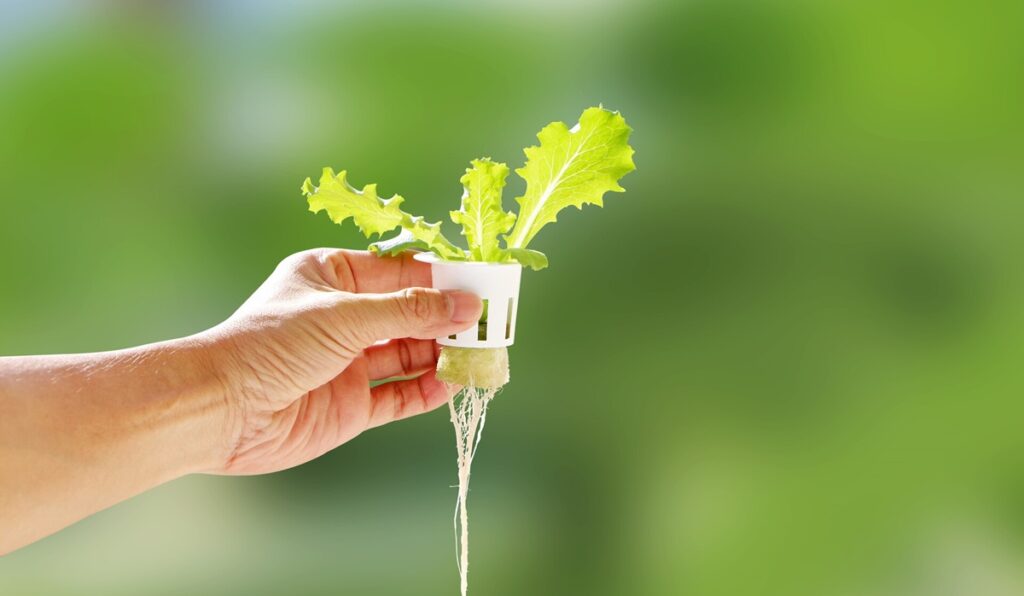
- Growing Medium: Options include coconut coir, perlite, rockwool, or clay pellets, which support plant roots without soil.
- Nutrient Solution: Commercially prepared hydroponic nutrients containing nitrogen, phosphorus, potassium, and trace minerals.
- Lighting: LED grow lights or fluorescent fixtures for indoor setups, ensuring plants receive 12-16 hours of light daily.
- Air Pump and Air Stones: To oxygenate the water and promote healthy root development.
- pH Testing Kit: To monitor and adjust the pH of your nutrient solution, ideally between 5.5 and 6.5 for most crops.
3. Set Up Your System
Assemble your chosen hydroponic system according to manufacturer instructions or DIY plans. Fill the reservoir with water and add the appropriate amount of nutrients. Install the air pump to oxygenate the solution. Place your plants in the growing medium, ensuring their roots are submerged or in contact with the nutrient solution, depending on the system.
4. Maintain Optimal Conditions
Maintain consistent temperature levels between 65-75°F (18-24°C) and humidity around 50-70%. Ensure your plants receive sufficient light—either natural sunlight or supplemental grow lights. Regularly check the pH and nutrient concentration, adjusting as needed. Change the nutrient solution every 1-2 weeks to prevent buildup of salts and pathogens.
5. Monitor and Troubleshoot
Keep an eye on plant health, looking for signs of nutrient deficiencies such as yellowing leaves or stunted growth. Use a TDS (Total Dissolved Solids) meter to monitor nutrient levels. Address issues promptly—adjust pH, replenish nutrients, or improve lighting conditions to ensure continuous growth.
Crop Selection for Year-Round Hydroponic Growth
Many crops thrive in hydroponic systems, enabling you to enjoy fresh produce throughout the year. Popular choices include:
- Leafy Greens: Lettuce, kale, arugula, and Swiss chard grow quickly and are well-suited for indoor hydroponic setups.
- Herbs: Basil, cilantro, parsley, and mint flourish in hydroponic environments, providing fresh flavors for your kitchen.
- Fruits: Strawberries and cherry tomatoes can be successfully cultivated indoors or in controlled environments, offering sweet, fresh produce regardless of season.
- Microgreens: Radish, beet, and sunflower microgreens are quick to harvest and pack a nutritional punch, perfect for salads and garnishes.
Challenges and Solutions in Hydroponic Gardening
While hydroponics offers numerous benefits, it also presents unique challenges that require attention:
- Algae Growth: Excess light or stagnant water can promote algae. Use opaque containers and maintain cleanliness to prevent this issue.
- Nutrient Imbalances: Regular testing and proper formulation of nutrient solutions are essential to avoid deficiencies or toxicities.
- Power Dependence: Hydroponic systems rely on electricity for pumps and lighting. Consider backup power sources or manual methods in case of outages.
- Initial Costs: Setup costs can be higher than traditional gardening, but the increased yields and efficiency often offset the investment over time.
Conclusion: Embrace the Future of Gardening
Hydroponic gardening is a sustainable, efficient, and versatile approach to cultivating plants, making it an excellent choice for year-round growth. By leveraging controlled environments, you can enjoy fresh, nutritious produce regardless of external weather conditions. Whether you’re a hobbyist seeking to grow herbs in your kitchen or a commercial farmer aiming to maximize productivity, hydroponics offers a pathway to innovative and resilient food production. Start small, learn as you go, and enjoy the abundant benefits of this modern gardening method.
Other Questions People Ask
What are the main benefits of hydroponic gardening?
Hydroponic gardening allows for faster plant growth and higher yields compared to traditional soil gardening. It also uses less water since the nutrient solution is recirculated, making it more environmentally friendly. Additionally, hydroponic systems can be set up indoors or in small spaces, enabling year-round cultivation regardless of outdoor conditions.
What are common types of hydroponic systems?
Common hydroponic systems include nutrient film technique (NFT), deep water culture (DWC), and drip systems. Each type has its own setup and maintenance requirements, but all deliver nutrients directly to plant roots without soil. Choosing the right system depends on the plants being grown and available space.
How do I troubleshoot nutrient deficiencies in a hydroponic system?
To troubleshoot nutrient deficiencies, regularly monitor the pH and electrical conductivity (EC) of the nutrient solution, as imbalances can hinder nutrient uptake. Symptoms like yellowing leaves or stunted growth can indicate deficiencies in specific nutrients such as nitrogen or potassium. Adjusting the nutrient solution and ensuring proper circulation can help resolve these issues.