Instant Answer: To start hydroponic gardening for beginners, choose a simple system like nutrient film technique or deep water culture. Select easy-to-grow plants such as lettuce, herbs, or spinach, and gather basic supplies like a container, water pump, nutrient solution, and growing medium. Set up your system in a well-lit area, maintain proper pH levels (around 5.5-6.5), and regularly check water and nutrient levels. With consistent care, you'll enjoy fresh produce and gain valuable experience in hydroponic gardening.
Section Overview
- Getting Started with Hydroponic Gardening for Beginners
- What Is Hydroponic Gardening?
- Benefits of Hydroponic Gardening
- Choosing the Right Hydroponic System for Beginners
- Popular Hydroponic Systems
- Essential Equipment and Supplies
- Getting Started: Step-by-Step Guide
- Common Challenges and How to Overcome Them
- Expanding Your Hydroponic Garden
- Resources and Further Learning
- Conclusion
- Common Questions People Ask
- What are the common types of hydroponic systems?
- How do I maintain nutrient levels in a hydroponic system?
- What is hydroponic gardening and why is it important?
Getting Started with Hydroponic Gardening for Beginners
Starting with hydroponic gardening offers a rewarding way to grow fresh greens indoors or in small spaces, where control over water and nutrients can lead to rapid, lush growth. For beginners, selecting a straightforward system like nutrient film technique or deep water culture simplifies setup and maintenance, making the process less overwhelming. Choosing easy-to-grow plants such as crisp lettuce, fragrant herbs, or tender spinach ensures quick results and keeps motivation high. With a few basic supplies—like a container, water pump, and nutrient solution—you can create a thriving mini garden that provides fresh produce year-round, all while gaining hands-on experience in this innovative gardening method.
What Is Hydroponic Gardening?
Hydroponic gardening is a method of growing plants without soil, using nutrient-rich water solutions to deliver essential minerals directly to the plant roots. This technique allows for faster growth rates, higher yields, and more efficient use of space and resources. Unlike traditional soil gardening, hydroponics provides a controlled environment where variables such as pH, nutrient levels, and moisture are precisely managed, resulting in healthier plants and fewer pests.
Benefits of Hydroponic Gardening
- Faster Growth and Higher Yields: Plants grown hydroponically often mature 25-50% faster than soil-grown counterparts, thanks to direct access to nutrients and optimal conditions.
- Space Efficiency: Hydroponic systems can be stacked vertically or arranged compactly, making them ideal for small spaces or urban environments.
- Water Conservation: These systems typically use 70-90% less water than traditional gardening because water is recirculated and reused.
- Less Pest and Disease Issues: Growing in a controlled environment reduces exposure to soil-borne pests and diseases, decreasing the need for chemical interventions.
- Year-Round Growing: With indoor setups, you can cultivate fresh produce throughout the year regardless of seasonal changes.
Choosing the Right Hydroponic System for Beginners
There are several types of hydroponic systems suitable for beginners, each with its own advantages and considerations. Selecting the right system depends on your available space, budget, and the types of plants you wish to grow.
Popular Hydroponic Systems
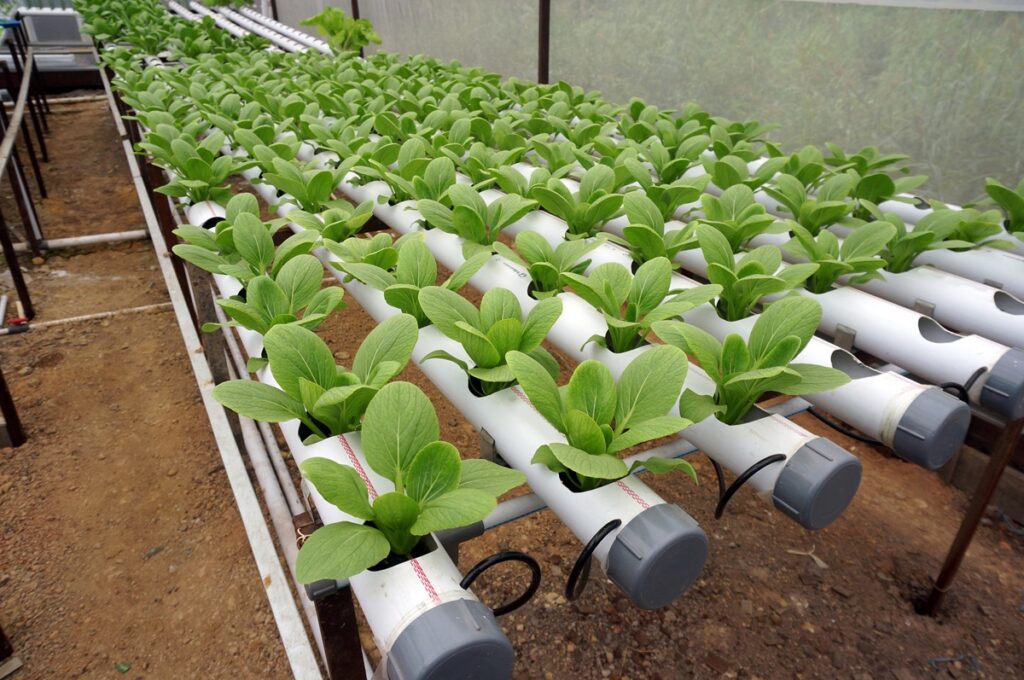
- Nutrient Film Technique (NFT): This system involves a continuous flow of nutrient solution over the roots of plants placed in a slight incline. It’s ideal for small leafy greens like lettuce and herbs. The setup is relatively simple and cost-effective but requires regular monitoring to prevent pump failures.
- Deep Water Culture (DWC): In DWC, plant roots are suspended in a nutrient-rich oxygenated water reservoir. It’s excellent for growing larger plants such as tomatoes and peppers. This system is straightforward to set up and maintain, making it perfect for beginners.
- Wick System: The simplest form of hydroponics, where a wick draws nutrients from a reservoir to the plant roots. It’s suitable for small, lightweight plants like herbs and seedlings but may not support larger or fast-growing plants.
- Flood and Drain (Ebb and Flow): This system periodically floods the plant roots with nutrient solution and then drains it back into the reservoir. It’s versatile and good for a variety of plants but requires a bit more setup and monitoring.
- Drip System: Nutrients are delivered directly to each plant’s root zone via drip emitters. It’s scalable and suitable for larger plants but involves more components and maintenance.
Essential Equipment and Supplies
Starting your hydroponic garden requires some basic equipment, which can be sourced from gardening stores or online suppliers. Here’s a list of essentials:
- Container or Reservoir: A waterproof container to hold the nutrient solution. Sizes vary depending on your system and plant quantity.
- Growing Medium: Materials like coconut coir, perlite, clay pellets, or rockwool support plant roots and retain moisture.
- Nutrient Solution: Specially formulated water-soluble fertilizers designed for hydroponic systems, providing all necessary macro and micronutrients.
- Water Pump and Tubing: For systems like NFT or flood and drain, a pump circulates nutrient solution efficiently.
- Lighting: If growing indoors, LED grow lights with full-spectrum capabilities ensure plants receive adequate light for photosynthesis.
- pH Testing Kit and pH Adjusters: Maintaining the correct pH (usually between 5.5 and 6.5) is crucial for nutrient uptake.
- Timers and Monitors: Automate watering cycles and monitor environmental conditions for optimal growth.
Getting Started: Step-by-Step Guide
1. Select Your Plants
Begin with easy-to-grow, fast-maturing plants such as lettuce, spinach, basil, or mint. These plants require minimal maintenance and are forgiving for beginners. As you gain confidence, you can experiment with tomatoes, strawberries, or peppers.
2. Set Up Your Hydroponic System
Choose a suitable location—either a sunny windowsill, a dedicated grow room, or a greenhouse. Assemble your system according to the manufacturer’s instructions or your custom design. Ensure the reservoir is clean and filled with water, and add the appropriate nutrient solution. Install grow lights if natural sunlight is insufficient.
3. Prepare Your Growing Medium and Plant Seeds or Seedlings
Soak seeds in water for 12-24 hours to promote germination. Plant them in your chosen medium, following depth guidelines. For seedlings, gently transplant them into the system’s grow tray or container, ensuring roots are in contact with the nutrient solution or medium.
4. Maintain Proper Environmental Conditions
Keep the temperature between 65-75°F (18-24°C) and humidity around 50-70%. Use fans or ventilation to prevent mold and ensure good air circulation. Regularly check the pH and nutrient levels, adjusting as needed to keep conditions optimal.
5. Monitor and Adjust
Observe your plants daily for signs of stress, pests, or nutrient deficiencies. Adjust lighting, water levels, and nutrient concentrations accordingly. For example, if leaves turn yellow, it may indicate a nitrogen deficiency, requiring an adjustment in fertilizer.
Common Challenges and How to Overcome Them
- Algae Growth: Keep the system covered or opaque to prevent light from reaching the nutrient solution, which encourages algae. Regular cleaning also helps.
- Pest Infestations: While hydroponic systems are less prone to soil pests, insects like aphids or whiteflies can still attack. Use organic pest control methods or introduce beneficial insects.
- Nutrient Imbalances: Regularly test and adjust nutrient concentrations and pH levels. Over-fertilizing can harm plants, so follow recommended dosages.
- Root Rot: Ensure proper oxygenation of the water and avoid overwatering. Use air stones or aerators to keep roots healthy.
Expanding Your Hydroponic Garden
Once comfortable with basic setups, consider expanding your system or experimenting with different crops. Vertical hydroponic towers can maximize space, while integrating aquaponics combines fish cultivation with plant growth for a sustainable ecosystem. Joining local gardening clubs or online forums can provide valuable tips and community support.
Resources and Further Learning
For more detailed guidance, consult reputable sources such as the USDA or university extension programs. Many online courses and tutorials are available to deepen your understanding of hydroponic techniques and advanced system design.
Conclusion
Starting a hydroponic garden as a beginner is an exciting venture that combines science, sustainability, and the joy of growing your own food. With patience, attention to detail, and a willingness to learn, you can enjoy fresh herbs, vegetables, and fruits year-round. Embrace the process, experiment with different crops and systems, and watch your indoor or outdoor garden flourish in this soil-less environment.
Common Questions People Ask
What are the common types of hydroponic systems?
Common types of hydroponic systems include nutrient film technique (NFT), deep water culture (DWC), drip systems, and aeroponics. Each system has its own setup and maintenance requirements, but all deliver nutrients directly to plant roots without soil. The choice of system depends on the plants being grown and available space.
How do I maintain nutrient levels in a hydroponic system?
Maintaining proper nutrient levels involves regularly testing the water's pH and electrical conductivity (EC) to ensure optimal nutrient availability. You should add specific nutrient solutions designed for hydroponics and adjust pH levels as needed, typically between 5.5 and 6.5. Consistent monitoring and adjustments help prevent deficiencies or toxicities that could harm plant growth.
What is hydroponic gardening and why is it important?
Understanding what hydroponic gardening entails provides a solid foundation for further learning. It encompasses both the key concepts and the role it plays in its broader context. Knowing why it matters helps you prioritise it appropriately and recognise the benefits it can offer. This perspective also guides your decisions about when and how to apply hydroponic gardening.