Instant Answer: Hydroponic gardening allows for faster plant growth and higher yields compared to traditional soil gardening, as plants receive nutrients directly through water. It uses less water because it recycles and conserves it more efficiently, reducing overall consumption. Additionally, hydroponic systems can be set up indoors or in small spaces, making gardening accessible in urban environments and areas with poor soil quality. This method also minimizes soil-borne pests and diseases, leading to healthier plants and less need for chemical treatments.
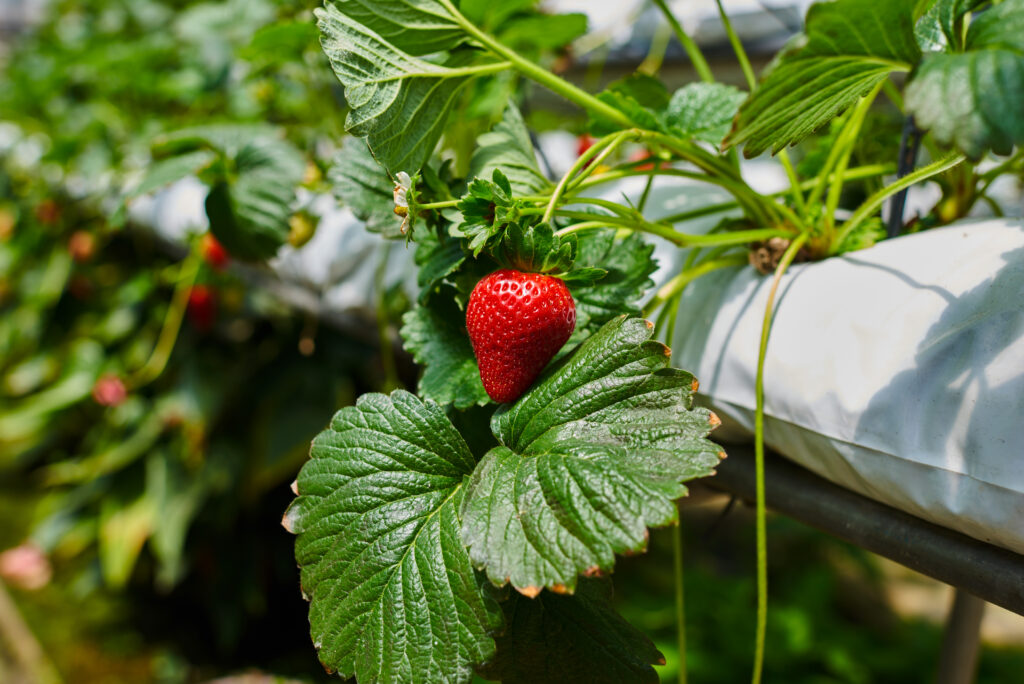
Table of Contents
- Benefits of Hydroponic Gardening for Faster Growth and Higher Yields
- Accelerated Plant Growth and Faster Harvests
- Higher Yields and Consistent Quality
- Water Efficiency and Sustainability
- Space Optimization and Urban Farming
- Reduced Use of Pesticides and Chemical Inputs
- Year-Round Production and Climate Independence
- Economic Benefits and Job Creation
- Educational and Community Engagement Opportunities
- Conclusion
- Common Questions People Ask
- What are the key steps involved in hydroponic gardening?
Benefits of Hydroponic Gardening for Faster Growth and Higher Yields
Hydroponic gardening transforms the way we grow plants by delivering nutrients directly through water, resulting in remarkably faster growth and bountiful harvests. This soil-less approach not only accelerates plant development but also conserves water through efficient recycling, making it an eco-friendly choice for sustainable cultivation. Its versatility allows for indoor setups and small-scale urban gardens, turning limited spaces into lush green oases. Plus, by eliminating soil, hydroponics significantly reduces the risk of pests and diseases, leading to healthier plants with fewer chemical interventions.
Accelerated Plant Growth and Faster Harvests
One of the most compelling advantages of hydroponic systems is the ability to accelerate plant growth. Unlike traditional soil gardening, where roots must search for nutrients and water, hydroponic plants receive a precisely balanced mix of nutrients directly to their roots. This direct delivery system minimizes nutrient deficiencies and reduces the time plants spend in stressful conditions, leading to quicker development.
For example, lettuce grown hydroponically can be harvested in as little as 30 days, compared to 45-60 days in soil. Similarly, herbs like basil and mint reach maturity approximately 20-25% faster in hydroponic setups. This rapid growth cycle allows farmers to produce multiple harvests annually, increasing overall productivity and profitability.
In commercial settings, such as vertical farms in urban centers, this accelerated growth translates into a higher turnover of crops, enabling year-round production regardless of seasonal changes. The ability to harvest sooner not only boosts income but also ensures fresher produce reaches consumers faster, reducing spoilage and waste.
Higher Yields and Consistent Quality
Hydroponic systems are designed to optimize plant health and maximize yields. Because plants receive a steady supply of nutrients tailored to their specific needs, they tend to grow larger and produce more fruit, flowers, or leaves than their soil-grown counterparts. For instance, tomato plants cultivated hydroponically can yield up to 30-50% more fruit per plant compared to traditional methods.
Moreover, hydroponic gardening allows for precise control over environmental factors such as light, temperature, humidity, and nutrient concentration. This control results in consistent crop quality, with fewer variations caused by soil quality or weather fluctuations. Farmers can produce uniform batches of produce, which is highly desirable in commercial markets where appearance and size are critical.
In addition, hydroponic systems reduce the risk of soil-borne diseases and pests, which can significantly impact crop yields. By eliminating soil, farmers avoid issues like root rot, nematodes, and fungal infections, leading to healthier plants and more reliable harvests.
Water Efficiency and Sustainability
Traditional soil gardening often involves significant water loss through runoff, evaporation, and percolation. In contrast, hydroponic systems are designed to recycle water, making them highly water-efficient. For example, nutrient film technique (NFT) systems use a thin film of water that continuously circulates over the roots, reducing water consumption by up to 90% compared to conventional farming.
This efficiency is particularly beneficial in arid regions or areas facing water restrictions. Hydroponic setups can be operated with minimal water input, conserving vital resources while still producing abundant crops. Additionally, because nutrients are delivered directly to the roots, there is less nutrient waste and runoff that can contaminate local waterways.
Many hydroponic farms utilize closed-loop systems that recirculate water and nutrients, further enhancing sustainability. This approach not only reduces environmental impact but also lowers operational costs, making hydroponic gardening an economically viable option for both small-scale hobbyists and large commercial growers.
Space Optimization and Urban Farming
One of the most innovative benefits of hydroponic gardening is its ability to maximize space utilization. Traditional farming requires large plots of land, which are often unavailable in densely populated urban areas. Hydroponic systems, especially vertical farms and container-based setups, can be stacked or arranged in compact configurations, making efficient use of limited space.
For example, a vertical hydroponic farm in Brooklyn, New York, utilizes multi-tiered racks to grow leafy greens and herbs, producing thousands of pounds of produce annually within a relatively small footprint. This approach allows urban dwellers to grow fresh vegetables and herbs right in their apartments or community centers, reducing reliance on store-bought produce and decreasing transportation emissions.
Furthermore, hydroponic systems can be integrated into existing structures such as rooftops, warehouses, and even underground spaces, transforming underutilized areas into productive farms. This decentralization of food production enhances food security and reduces the carbon footprint associated with long-distance transportation.
Reduced Use of Pesticides and Chemical Inputs
Since hydroponic systems are typically contained environments with controlled conditions, they significantly reduce the need for chemical pesticides and herbicides. The absence of soil eliminates many soil-borne pests and diseases, decreasing the reliance on chemical interventions.
For example, hydroponic strawberry farms often report minimal pest issues, allowing growers to produce organic, pesticide-free berries. This not only benefits consumer health but also aligns with the growing demand for organic produce. Additionally, the controlled environment makes it easier to implement integrated pest management strategies, further reducing chemical use.
By minimizing chemical inputs, hydroponic gardening promotes a healthier ecosystem, preserves beneficial insects, and reduces the risk of chemical runoff contaminating local water sources.
Year-Round Production and Climate Independence
Traditional agriculture is heavily dependent on seasonal weather patterns, which can limit crop production during winter or drought conditions. Hydroponic systems, especially when combined with artificial lighting and climate control, enable year-round cultivation regardless of external weather conditions.
For instance, indoor hydroponic farms in Scandinavian countries grow fresh greens and herbs during the harsh winter months, ensuring a steady supply of nutritious produce. This consistency helps stabilize local food supplies and reduces reliance on imports, which can be costly and environmentally taxing.
Moreover, climate-controlled hydroponic farms can adapt to changing environmental conditions, mitigating the impacts of climate change on food production. This resilience is crucial for ensuring food security in the face of global environmental challenges.
Economic Benefits and Job Creation
Hydroponic farming offers significant economic advantages, including higher productivity, reduced resource costs, and the potential for innovative business models. Small-scale hobbyists can grow their own herbs and vegetables at home, saving money and enjoying fresher produce. Commercial growers can achieve higher yields in less space, leading to increased revenue.
Furthermore, the rise of hydroponic farms has created new employment opportunities in urban areas, from system design and installation to crop management and distribution. As the industry expands, it fosters innovation in agricultural technology and sustainable practices, contributing to local economies.
For example, companies like Freight Farms have developed modular, container-based hydroponic systems that can be shipped and set up anywhere, creating entrepreneurial opportunities in food production and distribution.
Educational and Community Engagement Opportunities
Hydroponic gardening serves as an excellent educational tool, teaching students and community members about sustainable agriculture, plant biology, and environmental stewardship. School programs incorporating hydroponic systems provide hands-on learning experiences that inspire future generations of farmers and scientists.
Community gardens utilizing hydroponic setups can foster social cohesion, promote healthy eating, and support local food initiatives. Urban farms often host workshops and volunteer days, empowering residents to take an active role in food production and environmental conservation.
These initiatives help build awareness about sustainable practices and encourage a shift toward more resilient and eco-friendly food systems.
Conclusion
Hydroponic gardening offers a multitude of benefits that make it an attractive option for both hobbyists and commercial growers. From faster growth cycles and higher yields to water efficiency and urban adaptability, hydroponics is transforming agriculture in meaningful ways. By embracing this innovative approach, we can produce healthier, fresher food while conserving resources and reducing environmental impact. Whether you are interested in starting a small home system or developing a large-scale urban farm, understanding the advantages of hydroponic gardening is the first step toward a more sustainable and productive future.
Common Questions People Ask
What are the key steps involved in hydroponic gardening?
Carrying out hydroponic gardening typically follows a sequence of critical steps that build on one another. Beginning with planning and preparation ensures that your resources are in place. Executing each stage carefully allows you to address challenges as they arise. Reviewing and refining the process afterwards helps improve future outcomes.