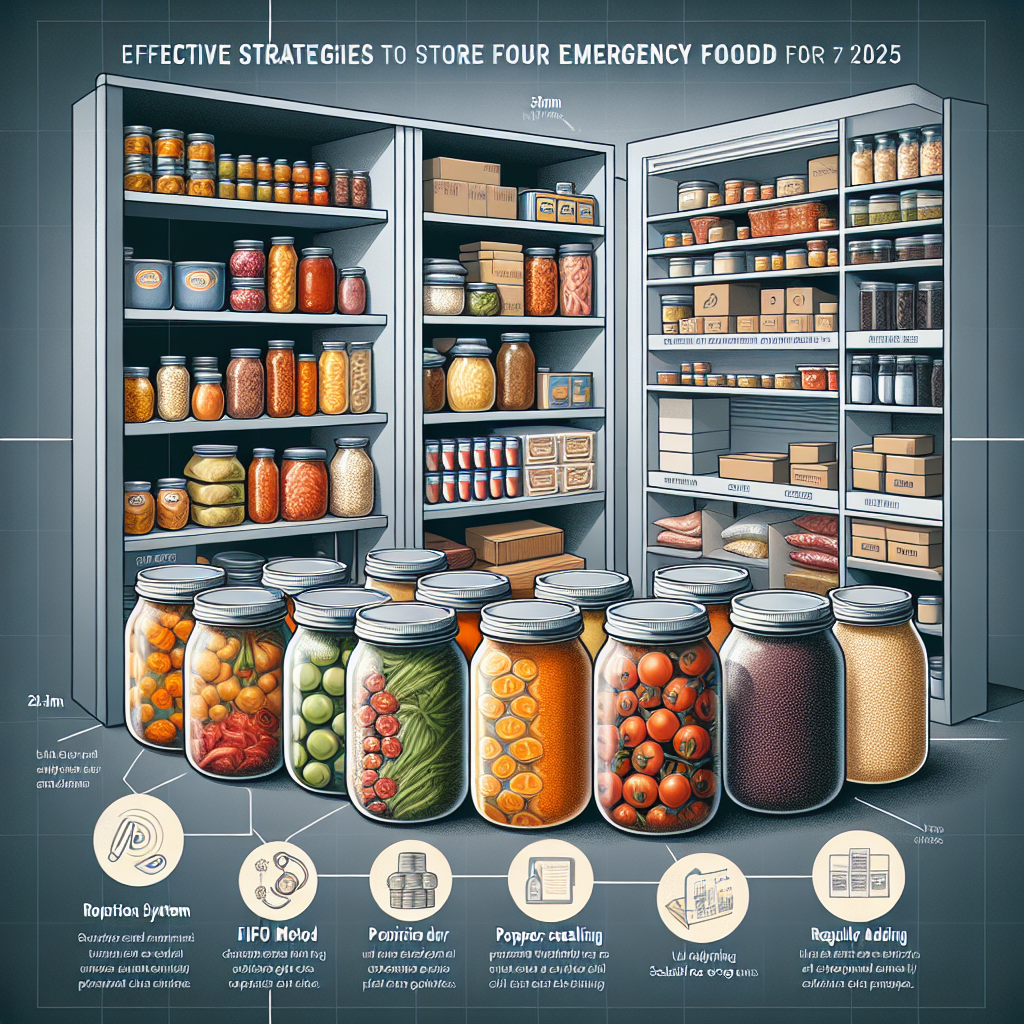
In real-world situations, the stakes are high. Emergencies can escalate quickly, and individuals often find themselves unprepared, leading to panic and confusion. Practical measures involve assessing your living environment to identify potential risks, such as natural disasters or medical emergencies, and planning accordingly. Regularly updating your emergency kit and plan is crucial, as supply needs may change based on your circumstances or the season.
Many people overlook the importance of practicing their emergency plans. Having the supplies is only part of the solution; knowing how to use them effectively can make a significant difference during an emergency. For instance, familiarize yourself with CPR or first aid techniques, as these skills can be invaluable in critical situations. Prioritizing these aspects will not only enhance your preparedness but also build confidence in your ability to manage emergencies independently.
Identifying Potential Risks
Understanding the specific risks you may face in your living environment is the cornerstone of effective emergency preparation. This involves evaluating both natural disasters like floods or earthquakes and personal safety issues such as medical emergencies or fire hazards. Each type of emergency has unique characteristics and requires tailored responses.
Start by conducting a risk assessment. Consider factors such as your location, the structure of your home, and any personal health conditions. For example, if you live in a flood-prone area, ensure you have a plan for evacuation and that your emergency kit includes waterproof supplies. Most people fail to account for multiple scenarios, which can leave them vulnerable when unexpected events occur.
A common mistake is underestimating the likelihood of certain emergencies. For instance, individuals often think, “That won’t happen to me,” leading to complacency. To counteract this, stay informed through local news and community resources about potential threats in your area. Prioritize preparedness for the most probable risks first, ensuring you have a comprehensive understanding of what you might encounter.
Essential Emergency Supplies
Having the right supplies on hand is crucial for managing emergencies effectively. A well-stocked emergency kit should include non-perishable food, water, a flashlight, batteries, a first aid kit, and any necessary medications. The contents of your kit should reflect both your personal needs and the types of emergencies you are most likely to face.
When assembling your supplies, focus on quality and accessibility. For example, opt for high-calorie energy bars and bottled water that can sustain you for at least 72 hours. Regularly check expiration dates on food and medications, and replace items as needed. What actually works is building a kit that is not only comprehensive but also tailored to your lifestyle, including items like pet supplies if you have animals.
A common pitfall is overstuffing an emergency kit with unnecessary items, making it cumbersome and difficult to access during an emergency. Instead, prioritize essentials and consider the space available in your home. Organizing your supplies in easily identifiable containers can streamline the process when you need to grab your kit quickly. Remember, the effectiveness of your emergency supplies can significantly influence your ability to respond calmly in a crisis.
Creating an Action Plan
An actionable emergency plan is crucial for ensuring you can respond effectively during a crisis. This plan should outline clear steps to take in various scenarios, including evacuation routes, safe meeting places, and emergency contacts. The clarity of your plan can significantly reduce panic and confusion when minutes matter.
Draft your action plan by considering worst-case scenarios. For instance, if you need to evacuate due to a natural disaster, have a designated meeting spot and a transportation plan. Regularly practice this plan, so it becomes second nature. Many individuals neglect this step, believing that their plans will be remembered in a moment of stress—this often leads to disarray when an emergency occurs.
What often goes unnoticed is the need to adapt your plan as circumstances change. For example, if you move to a new home or have family members visit frequently, update your emergency contacts and paths accordingly. Maintain a flexible approach, regularly reviewing and practicing your plan to ensure it remains effective and relevant to your current situation.
Communication Strategies
Effective communication during emergencies is vital for ensuring your safety and keeping loved ones informed. Establishing clear communication strategies can help you relay critical information quickly and efficiently. This includes having a list of emergency contacts and alternative methods of communication, such as text messaging or social media, especially if cellular networks are overwhelmed.
When formulating your communication plan, include local emergency services numbers, a family or friends contact list, and a method for checking in after an emergency. In real-world scenarios, people often forget to inform others of their safety or whereabouts, which can lead to unnecessary worry for loved ones. Set expectations about how you will communicate during a crisis, and practice these methods to ensure everyone involved understands the plan.
One common mistake is relying solely on one form of communication, such as cell phones. During widespread emergencies, phone lines may become congested, making it difficult to get in touch. Consider backup options like email or social media, which can sometimes function when traditional lines fail. By diversifying your communication strategy, you enhance your ability to stay connected and provide updates during critical moments.
Maintaining Your Preparedness
Preparedness is not a one-time task but an ongoing responsibility. Regularly maintain and update your emergency supplies and plans to ensure they remain effective and applicable to your current circumstances. This includes checking expiration dates, replenishing supplies after use, and practicing your action plan periodically.
To maintain preparedness, schedule regular reviews of your emergency kit and action plan, ideally every six months. This can coincide with changing seasons or daylight saving time, making it easier to remember. Many people fail to keep their kits updated, leading to a false sense of security. What actually works is treating this as an essential part of your routine rather than an afterthought.
One significant aspect often overlooked is the emotional preparedness for emergencies. Fear and anxiety can hinder your ability to respond effectively. Incorporating stress-reduction techniques, such as mindfulness or meditation, into your routine can help you remain calm during crises. Prioritizing mental readiness alongside practical preparedness creates a well-rounded approach to managing emergencies when living alone.
Further Reading
Authoritative Sources
- Ready.gov
ready.govA comprehensive resource from the U.S. government on how to prepare for various emergencies
- American Red Cross: Emergency Preparedness
redcross.orgOffers detailed guidance on creating emergency plans and kits
- CDC Emergency Preparedness
cdc.govProvides information on public health emergencies and how to prepare effectively
- FEMA
fema.govOffers resources for disaster preparedness and recovery
Frequently Asked Questions
What should be included in an emergency kit?
An emergency kit should contain non-perishable food, water, a flashlight, batteries, a first aid kit, and any necessary medications.
How often should I update my emergency plan?
Review and update your emergency plan every six months, or whenever significant changes occur in your living situation.
What is the first step in preparing for an emergency?
The first step is to conduct a thorough risk assessment to identify potential emergencies relevant to your location and lifestyle.
How can I practice my emergency plan?
Regularly practice your emergency plan by simulating different scenarios and reviewing your communication strategies with family and friends.
Why is mental preparedness important during emergencies?
Mental preparedness helps you remain calm and make effective decisions during a crisis, reducing the likelihood of panic and confusion.
Conclusion
Preparing for emergencies when living alone is an essential responsibility that involves understanding risks, assembling key supplies, and creating a comprehensive action plan. Prioritize establishing clear communication strategies and maintaining your preparedness through regular reviews and practice. By focusing on both practical measures and mental readiness, you enhance your ability to navigate emergencies effectively. Take proactive steps today to ensure you are well-equipped and confident when faced with unexpected situations.