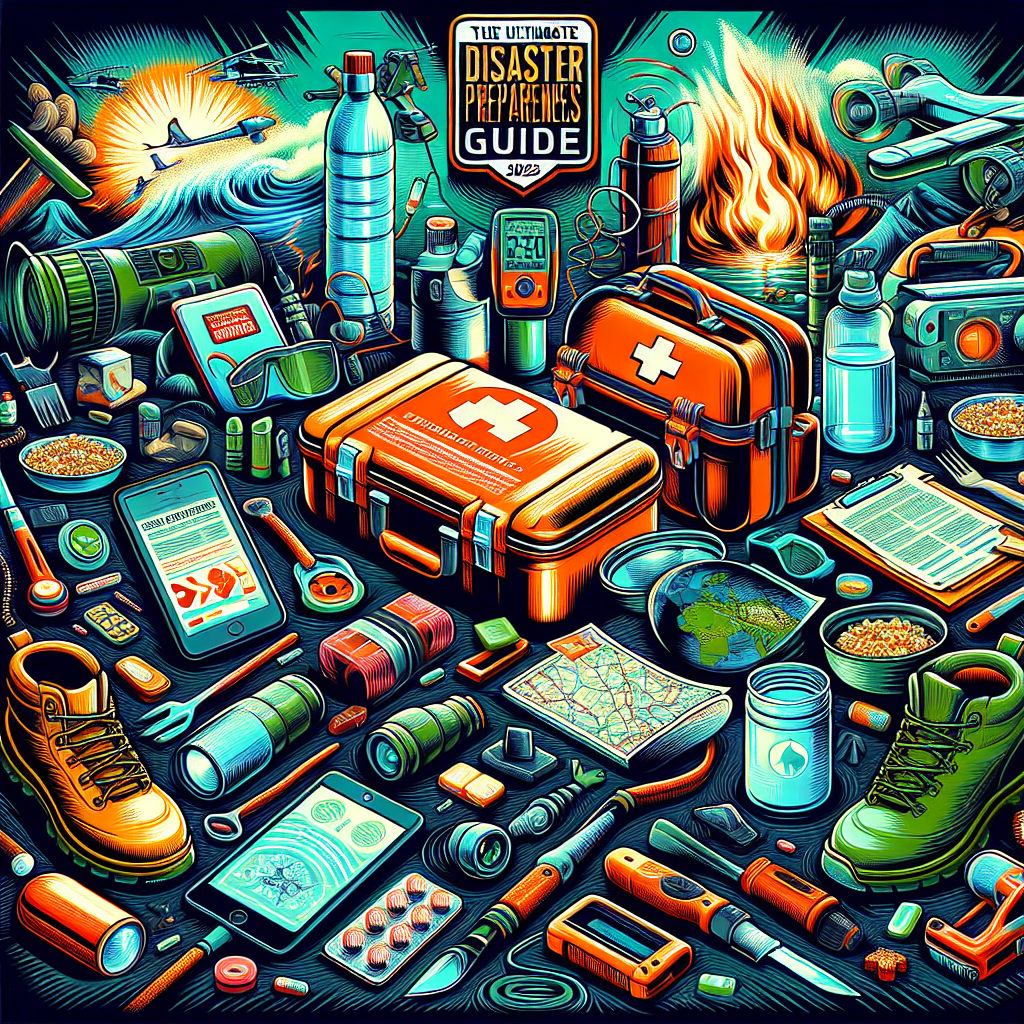
Real-world considerations are crucial in emergency preparation. Small apartments often have limited storage, which can lead to challenges in keeping emergency supplies. A common mistake is underestimating the amount of space needed for critical items. It’s important to prioritize versatile supplies that can serve multiple purposes. For example, a multi-tool can replace several individual tools, and food items that require minimal cooking can reduce reliance on kitchen equipment during emergencies. Balancing the need for a comprehensive supply kit while managing space constraints is essential.
Another consideration is the order in which you prepare your supplies. Rather than accumulating items haphazardly, think critically about what you’ll need first based on your specific environment and potential risks. For instance, if you live in an area prone to flooding, prioritize waterproof containers for important documents and a reliable water filtration system. Investing time in planning and organizing can prevent costly mistakes and enhance your overall readiness.
Essential Emergency Supplies
Essential emergency supplies for small apartments include a first aid kit, non-perishable food, clean water, a flashlight, batteries, and personal items such as medications and medical records. These items should be chosen based on the types of emergencies most likely to occur in your area, such as earthquakes, floods, or power outages. For instance, if you are in a flood-prone area, having waterproof bags for critical documents is vital.
Prioritizing supplies that have a long shelf life and require minimal preparation can make a significant difference during an emergency. Canned goods, dehydrated meals, and high-energy snacks like granola bars are practical choices. Additionally, a portable water filter can provide safe drinking water if municipal supplies are compromised. On the flip side, neglecting to include basic hygiene items like hand sanitizers and wipes can lead to health risks during emergencies.
Common mistakes include failing to regularly update supplies or overlooking seasonal changes that might impact needs. For example, if you live in a cold climate, including blankets and heat sources is crucial. Regularly checking expiration dates and replenishing supplies ensures that you are always prepared. As you build your kit, think about versatility; items like a multi-tool can serve various functions, reducing clutter while increasing utility.
Space-Saving Strategies for Small Apartments
Maximizing space in small apartments while preparing for emergencies requires creative storage solutions. Utilize under-bed storage containers to keep supplies out of sight yet easily accessible. Wall-mounted shelves can also hold lightweight emergency items, freeing up floor space.
Vertical storage is particularly effective, allowing you to store supplies without taking up too much room. Consider using hooks or pegboards in closets to hang tools or bags, which can help keep essential items organized and visible. This organization can prevent chaos when you need to locate an item quickly. Additionally, multi-functional furniture, like ottomans or benches with storage, can serve dual purposes, providing seating while housing emergency supplies.
One critical tradeoff is the balance between accessibility and concealment. While it’s important to hide supplies aesthetically, they must be accessible in an emergency. Avoid overloading any single storage area and ensure that you can reach your supplies quickly. Regularly assessing your storage methods and adjusting based on your changing needs will help maintain a functional and effective emergency preparedness plan.
Organizing Your Emergency Kit
Organizing your emergency kit in a small apartment involves thoughtful categorization and labeling of supplies. Group items by function—first aid supplies in one section, food and water in another, and tools in a separate area. This systematic approach speeds up retrieval during emergencies.
Labeling boxes or bags clearly can prevent confusion. For example, use bright, visible labels that indicate contents and expiration dates. This practice not only aids in quick access but also encourages regular inventory checks. An often-overlooked aspect is ensuring that your emergency kit is family-inclusive; involve all household members in the organization process to ensure everyone knows where items are stored.
As a practical tip, consider creating a digital inventory on your phone or a shared app. This can include pictures of your kit and details on where everything is stored, so even if you’re not at home, you can provide guidance to someone else in an emergency. Remember that organizing is an ongoing process; periodically reassess and reorganize your kit to ensure it continues to meet your needs effectively.
Understanding Risks and Priorities
Understanding the specific risks associated with your location is fundamental to effective emergency preparation in small apartments. Evaluate potential threats such as natural disasters, crime rates, or public health emergencies, which can inform your preparation priorities.
For instance, if you live in an earthquake-prone area, securing heavy furniture and storing supplies in places where they are less likely to fall is essential. Conversely, if your apartment is in a region with severe weather conditions, you may prioritize items like flashlights, batteries, and weather radios. Prioritizing supplies based on these risks can significantly enhance your response capabilities during an emergency.
A common pitfall is generalizing preparedness across different environments. What works for a suburban home may not be effective in a small apartment. Thus, tailor your emergency plan to your specific situation and continually reassess it based on changes in your surroundings. Community resources, such as local emergency services or neighborhood preparedness workshops, can provide valuable insights into relevant risks and effective strategies.
Further Reading
For those interested in expanding their knowledge on emergency preparedness in small spaces, consider exploring resources from organizations like the Federal Emergency Management Agency (FEMA) or the American Red Cross, which provide detailed guidelines on emergency supplies and planning tailored to various living situations.
Further Reading
Authoritative Sources
- Ready.gov
ready.govOfficial U.S. preparedness guidance, checklists, and planning resources for households and emergencies.
- FEMA
fema.govFederal emergency management resources, disaster planning information, and recovery guidance.
- American Red Cross Emergency Preparedness
redcross.orgPractical emergency preparation steps, supply lists, and safety guidance for families.
- National Weather Service
weather.govOfficial forecasts, hazard alerts, and weather safety information.
- CDC Emergency Preparedness and Response
cdc.govPublic health guidance for emergencies, disasters, and recovery situations.
Frequently Asked Questions
What supplies should I prioritize for my small apartment emergency kit?
Prioritize items like a first aid kit, non-perishable food, bottled water, a flashlight, batteries, and any personal medications. These essentials are crucial for immediate survival needs.
How can I maximize storage for emergency supplies in a small apartment?
Utilize under-bed storage, vertical shelves, and multi-functional furniture to keep your supplies organized without taking up valuable space. Hooks and pegboards can also help keep items visible and accessible.
How often should I check and update my emergency supplies?
Regularly review your emergency supplies every six months to ensure items are not expired and to adjust your kit based on changing needs or circumstances.
What common mistakes should I avoid when preparing for emergencies?
Avoid overloading storage areas, neglecting to involve all household members, and failing to tailor your supplies to specific risks associated with your location.
How can I ensure my emergency kit is family-inclusive?
Involve all family members in the planning and organizing process. Educate them about where supplies are stored and how to use them effectively during emergencies.
Conclusion
Preparing for emergencies in small apartments requires strategic planning and organization. By focusing on essential supplies, optimizing storage solutions, and understanding your specific risks, you can create an effective emergency kit that fits your limited space. Regularly assess and update your kit, involve all household members in the process, and stay informed about community resources to enhance your preparedness. Taking these steps ensures that you are ready to respond effectively in any emergency situation.