Preparing for emergencies in hurricane-prone areas involves a systematic approach to ensure safety and minimize damage. The first priority is creating an emergency plan that includes evacuation routes, communication strategies, and designated meeting points for family members. Many individuals misjudge the severity of hurricanes and delay preparations, which can lead to chaos and increased risk during a storm. Understanding the expected impact of hurricanes in your area and acting well in advance can significantly enhance your safety. A comprehensive emergency plan should also encompass critical supplies, such as non-perishable foods, water, medications, flashlights, and first aid kits. Most people fail to stock adequate supplies due to a lack of awareness about their specific needs during a hurricane. It’s essential to evaluate your household’s unique requirements, including any special needs for children, elderly family members, or pets. This evaluation will help prioritize what to buy and how to prepare effectively. Furthermore, many underestimate the importance of staying informed. Regularly monitoring weather updates and being aware of local emergency services can significantly impact your response strategy. For instance, waiting until the last minute to gather information can lead to panic and poor decision-making. Establish a routine for checking local forecasts and alerts, ensuring your family is prepared for any changes in the storm’s trajectory or intensity.
Creating an Emergency Plan
Establishing an effective emergency plan is crucial for anyone living in hurricane-prone areas. A well-thought-out plan should include evacuation routes, contact information for family members, and a strategy for reuniting if separated. The plan should also account for pets and any special needs of household members. To create this plan, start by mapping local evacuation routes and identifying safe locations, such as shelters, that can accommodate your family. Include a communication strategy that specifies how family members will stay in touch during an emergency, whether through mobile phones or alternative methods like landlines or two-way radios. It’s also wise to practice this plan regularly, so everyone understands their responsibilities when a hurricane threatens. A common mistake many make is believing they can finalize their emergency plan at the last minute. In reality, storms can change course rapidly, and having a well-rehearsed plan will ensure that everyone knows what to do when time is critical. For example, when Hurricane Katrina approached, many families were unprepared and struggled to evacuate due to lack of a clear plan, leading to chaos and confusion.
Essential Supplies and Equipment
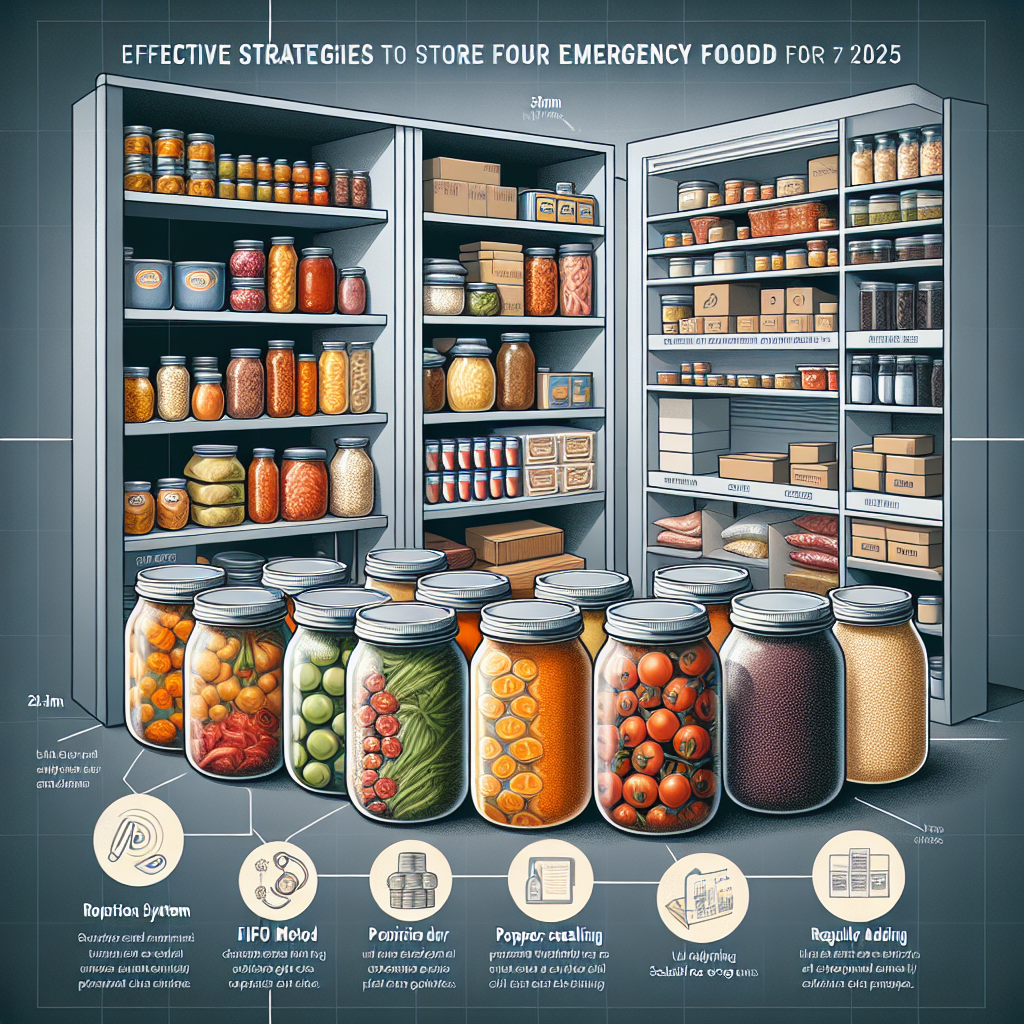
Stocking critical supplies is a fundamental part of hurricane preparedness. Essential items include non-perishable food, bottled water, medications, flashlights, batteries, and a first aid kit. Additionally, consider hygiene products, important documents, and cash, as ATMs may be inoperable post-storm. Begin by assessing the needs of your household. A good rule of thumb is to have at least a three-day supply of water (one gallon per person per day) and food. When shopping for supplies, prioritize high-energy foods that require no cooking, such as granola bars, canned foods, and dried fruits. Organize these items in an easily accessible location, and ensure that everyone in the household knows where to find them. An important tradeoff to note is the space versus quantity of supplies. Many underestimate how much room they have to store necessary items, leading to a half-hearted attempt at stocking up. After Hurricane Sandy, many individuals found themselves without essential supplies due to last-minute shopping and empty store shelves. Assess your storage capabilities early and continuously restock as necessary.
Evacuation Procedures
Understanding and preparing for evacuation procedures can save lives during a hurricane. Local authorities will issue evacuation orders when a hurricane is imminent, and being ready to leave quickly is essential. This means knowing your routes and having a packed vehicle, as well as alternative options for transportation. When preparing for evacuation, gather all necessary supplies and have them ready to go. Create a checklist that includes personal items like clothing, identification, and any necessities for pets. Ensure your vehicle is in good condition, with a full tank of gas, as fuel stations may be closed or out of service during emergencies. One major pitfall is waiting too long to evacuate, which can lead to dangerous situations. Many residents of Hurricane Harvey waited until the last possible moment, resulting in significant risks to their safety. Always err on the side of caution; if an evacuation order is issued, leave as soon as possible to avoid being trapped.
Staying Informed During a Hurricane
Staying updated with accurate information is vital during a hurricane. Reliable sources include local news outlets, the National Weather Service, and emergency management agencies. Having battery-operated radios or mobile apps can help ensure you receive timely updates even when power is out. Set a routine during a storm to check for updates at regular intervals. This should include weather conditions, evacuation status, and any alerts about local shelter availability. Additionally, keep a list of emergency contacts, including neighbors and family members, who can help if needed. One common mistake is relying solely on social media for updates. While it can be useful, misinformation spreads rapidly on these platforms. In the aftermath of Hurricane Irma, many residents struggled with false information about safety and evacuation routes, leading to confusion and unnecessary panic. Stick to verified news sources for accurate updates.
Common Mistakes to Avoid
Preparing for hurricanes involves avoiding common pitfalls that can jeopardize safety. Many individuals underestimate the storm’s potential impact, leading to inadequate preparation. Recognizing the severity of the threat can help you take necessary precautions. One of the biggest mistakes is neglecting to practice your emergency plan. Many families create a plan but fail to rehearse it, which can result in confusion during an actual emergency. Conducting drills can help familiarize everyone with their roles and responsibilities, reducing panic and chaos. Another critical error is underestimating the need for a comprehensive supply kit. Many people think they can simply grab a few items at the last minute, but this often leads to insufficient supplies. For example, during the approach of Hurricane Florence, many residents found stores stripped of essential items like water and batteries. Start preparing early and ensure your kit is well-stocked to avoid these last-minute challenges.
Further Reading
Authoritative Sources
- Ready.gov: Hurricanes
ready.govThis source provides detailed information on how to prepare for hurricanes, including planning and emergency supplies
- National Hurricane Center
nhc.noaa.govThe National Hurricane Center offers timely updates and forecasts, essential for staying informed during hurricane season
- American Red Cross: Hurricane Preparedness
redcross.orgThe American Red Cross provides guidance on preparedness, response, and recovery for hurricanes
- FEMA: Hurricane Preparedness
fema.govFEMA offers a comprehensive overview of preparedness resources and strategies for hurricanes
Frequently Asked Questions
What should I include in my emergency supply kit?
Your emergency supply kit should include non-perishable food, water (one gallon per person per day for three days), flashlight, batteries, first aid kit, medications, and hygiene products.
How can I stay informed during a hurricane?
Stay informed by following local news outlets, the National Weather Service, and emergency management agencies. A battery-operated radio can also provide updates if power is lost.
What are the best evacuation routes to take?
Your best evacuation routes depend on your local area. Check with local authorities for designated evacuation routes and practice these routes ahead of time.
How early should I start preparing for a hurricane?
Begin preparing at least a week in advance of hurricane season. Monitor forecasts closely and finalize your emergency plan as storms approach.
What common mistakes should I avoid when preparing for a hurricane?
Avoid underestimating the storm’s impact, failing to rehearse your emergency plan, and neglecting to build a comprehensive supply kit well before the storm.
Conclusion
Effective preparation for hurricanes in vulnerable areas hinges on comprehensive planning, timely action, and informed decision-making. Prioritize creating an emergency plan that includes evacuation routes, communication strategies, and essential supplies tailored to your household’s needs. Regularly monitor weather updates and stay informed about local conditions, while avoiding common mistakes such as last-minute packing and underestimating the storm’s potential impact. By taking these actionable steps, you can enhance your family’s safety and resilience when faced with a hurricane.