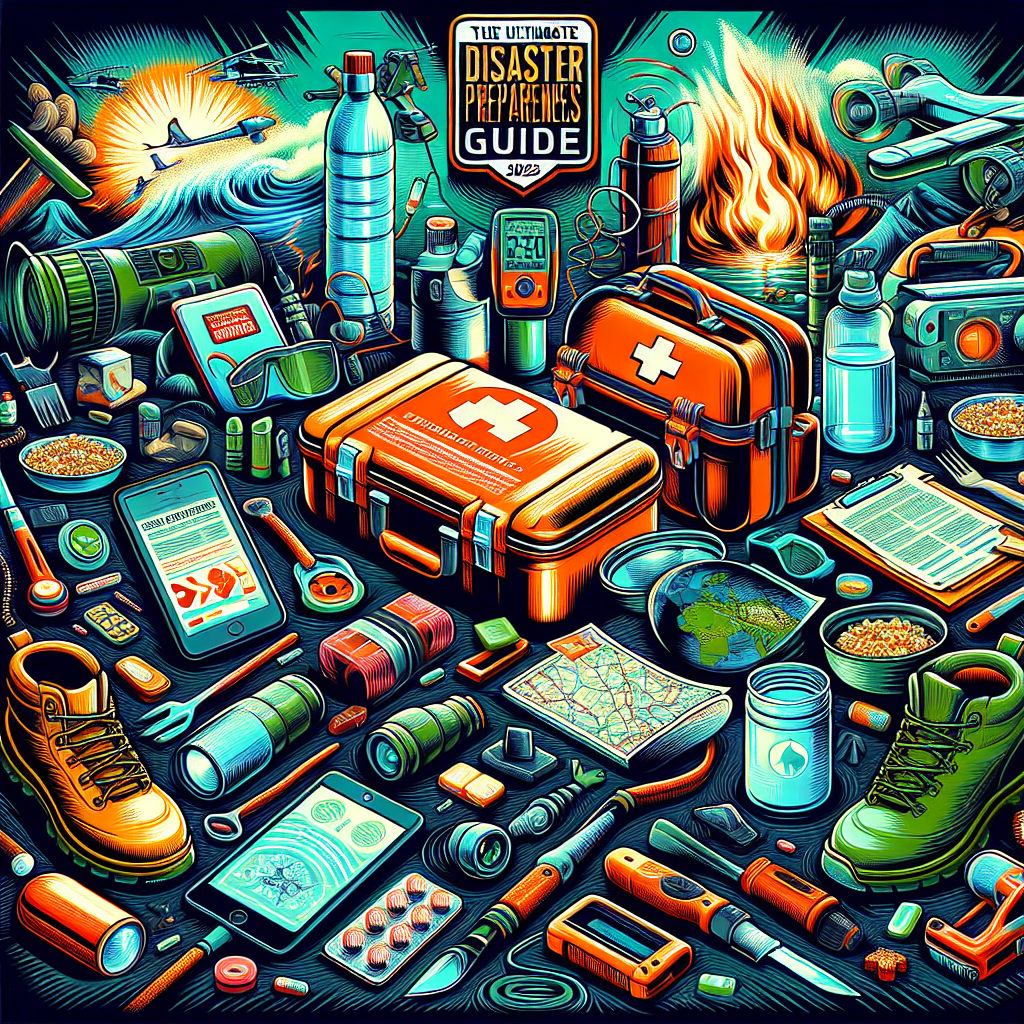
Effective preparation requires understanding the specific risks associated with your location, such as hurricanes, floods, or blizzards. Identify the potential threats and plan your supplies and actions accordingly. For example, in flood-prone areas, water-resistant storage for supplies and a means of evacuation are crucial. Commonly, people fail to account for their unique circumstances, which can lead to severe consequences during an emergency. Prioritize gathering information about local emergency services and routes, as well as establishing a communication plan with family members.
Furthermore, many individuals assume that having a basic emergency kit is sufficient. However, it’s essential to tailor your supplies based on family needs, including medications, pet supplies, and specific dietary requirements. In real-world scenarios, those who neglect these details often find themselves inadequately equipped when disaster strikes. Therefore, assessing your specific situation and planning accordingly will significantly enhance your readiness for extreme weather events.
Essential Supplies for Extreme Weather
Having the right supplies is critical for survival during extreme weather events. An emergency kit should include water, non-perishable food, a flashlight, batteries, a first aid kit, and necessary medications. Consider adding items like a multi-tool, blankets, and personal hygiene products. The goal is to ensure that you can sustain yourself and your family for at least three days without outside assistance.
To build your emergency kit, start by collecting items that meet your family’s specific needs. Use containers that are waterproof and easily transportable. Make sure to include food that doesn’t require cooking or refrigeration, such as canned goods, energy bars, and dried fruits. Regularly rotate supplies to avoid expired items and check that all equipment, like flashlights, are functional. This proactive approach can prevent panic and disarray in a crisis.
A common mistake is underestimating the amount of water needed. Generally, you should plan for at least one gallon per person per day, considering both drinking and sanitation. Those who fail to plan for adequate hydration often find themselves in dire situations, especially in hot conditions. For long-term preparedness, consider investing in a water purification system or tablets, which provide an additional layer of safety against waterborne illnesses.
Creating an Emergency Action Plan
An emergency action plan outlines the steps to take before, during, and after severe weather events. This plan should include evacuation routes, communication methods, and designated meeting points for your family. Having a clear plan minimizes confusion and helps everyone act swiftly when time is of the essence.
Start by discussing the plan with all family members, ensuring that everyone understands their roles and responsibilities. Identify the safest routes to evacuation sites and familiarize everyone with these paths. Additionally, ensure your communication plan includes backup methods, such as texting or using social media, in case traditional networks fail. Practice drills can also significantly enhance readiness, allowing you to identify any weak points in your plan.
A common pitfall occurs when families assume that verbal plans are sufficient. In practice, many individuals forget critical details during high-stress situations. Documenting the plan and providing copies to all family members can help reinforce the actions needed. Realistically, those who fail to practice their plans often panic or hesitate when it’s time to act, leading to dangerous delays.
Understanding Local Weather Risks
Knowing the specific weather risks in your area is fundamental to effective emergency preparation. Different regions face unique threats: coastal areas may deal with hurricanes, while inland regions could be more susceptible to tornadoes or severe winter storms. Understanding these risks allows you to tailor your supplies and actions appropriately.
Research your local weather patterns and historical events to gauge the likelihood of extreme weather. Stay informed through local news outlets and weather apps to receive real-time updates. Understanding your community’s emergency response protocols also helps you align your preparation with local resources and strategies. This knowledge empowers you to make informed decisions during emergencies.
Many individuals overlook how local geography affects weather impacts. For instance, a house on elevated ground may fare better in flooding than one in a low-lying area. Those who don’t consider their environmental context may find themselves inadequately prepared for their specific circumstances. Prioritize understanding how your home and surroundings relate to potential weather threats to enhance your readiness.
Regular Maintenance and Updates
Regularly maintaining and updating your emergency supplies is essential for effective preparation. Over time, perishables can expire, batteries can drain, and equipment can become damaged or outdated. Periodic checks ensure that your emergency kit is always ready for immediate use.
Set a schedule to review your emergency kit every six months. During this review, replace expired food and medication, test or replace batteries in flashlights, and ensure your first aid supplies are complete. This routine not only keeps your kit fresh but also serves as a reminder of the importance of preparedness. Engaging family members in this process can reinforce the importance of readiness.
A frequent oversight is failing to account for changes in family circumstances. As children grow or new pets are added, the needs of your emergency kit will change. Those who don’t adapt their preparations may find themselves lacking crucial supplies during an emergency. Always assess your family’s evolving needs and adjust your supplies accordingly to maintain optimal preparedness.
Further Reading
For those seeking more information on how to prepare for emergencies in extreme weather events, consider reviewing official resources from organizations such as the Federal Emergency Management Agency (FEMA) or the American Red Cross. These organizations provide extensive guidelines and checklists tailored to various weather scenarios and personal circumstances.
Further Reading
Authoritative Sources
- Ready.gov
ready.govOfficial U.S. preparedness guidance, checklists, and planning resources for households and emergencies.
- FEMA
fema.govFederal emergency management resources, disaster planning information, and recovery guidance.
- American Red Cross Emergency Preparedness
redcross.orgPractical emergency preparation steps, supply lists, and safety guidance for families.
- National Weather Service
weather.govOfficial forecasts, hazard alerts, and weather safety information.
- CDC Emergency Preparedness and Response
cdc.govPublic health guidance for emergencies, disasters, and recovery situations.
Frequently Asked Questions
What should I include in an emergency kit?
Your emergency kit should include water, non-perishable food, a flashlight, batteries, a first aid kit, and any necessary medications. Tailor the kit to meet the specific needs of your family.
How often should I update my emergency supplies?
It’s advisable to review and update your emergency supplies at least every six months to ensure that all items are current and functional.
What are the most common mistakes in emergency preparedness?
Common mistakes include underestimating water needs, neglecting to tailor supplies to family members’ specific requirements, and failing to practice emergency plans.
How can I stay informed during an extreme weather event?
Stay informed through local news sources, weather apps, and emergency alerts. Consider having a battery-operated radio as a backup communication method.
What should I do if I need to evacuate?
If evacuation is necessary, follow your pre-established escape routes, take your emergency kit, and keep communication open with family members throughout the process.
Conclusion
To effectively prepare for emergencies during extreme weather events, focus on assembling a comprehensive emergency kit, creating a clear action plan, and understanding your local risks. Regularly updating your supplies and tailoring your preparedness to your family’s specific needs are essential steps. By prioritizing these actions, you can enhance your safety and ensure that you are ready to respond effectively when extreme weather strikes.