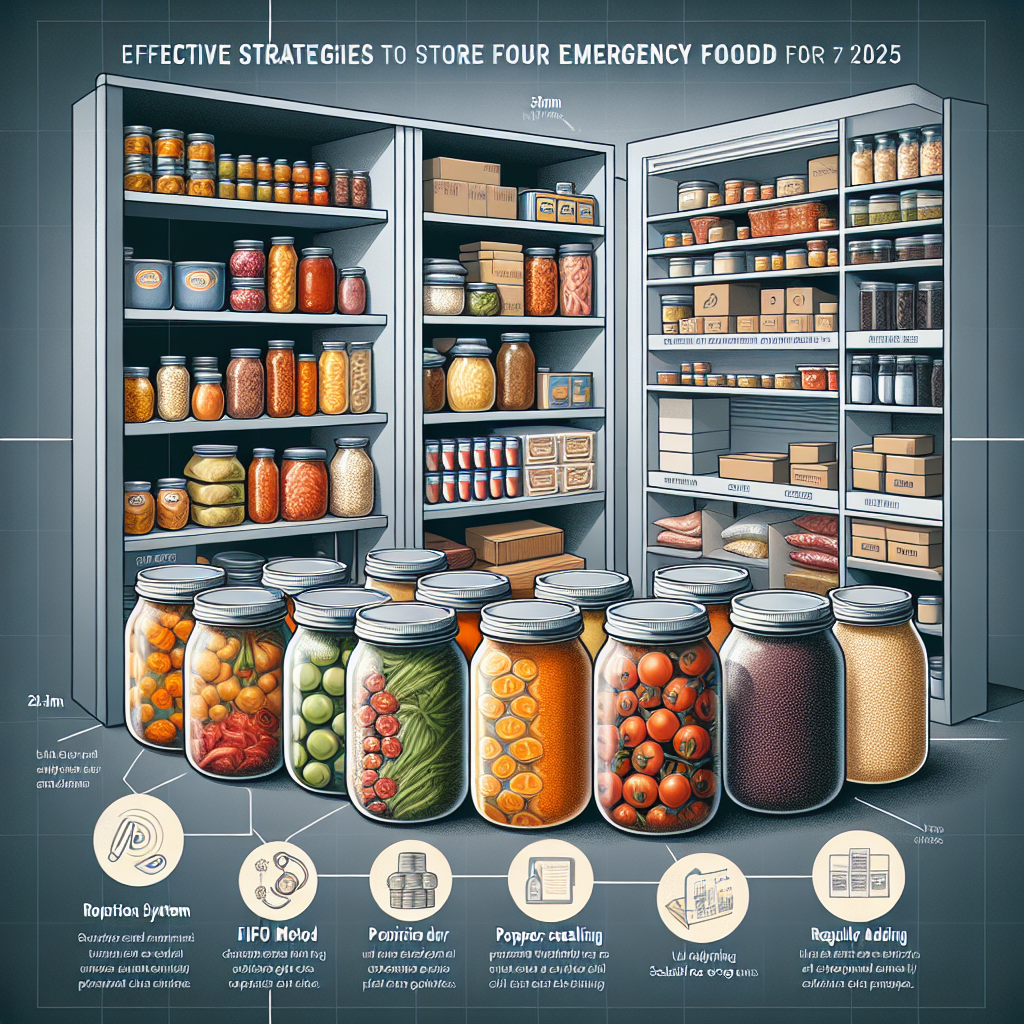
Maintaining physical health during extended emergencies requires a deliberate focus on balanced nutrition and consistent exercise. The biggest mistake people make is neglecting these areas due to stress, uncertainty, or lack of resources. Prioritizing nutrient-dense foods and simple physical activities can help sustain energy levels, boost immunity, and improve mental health, which are crucial in times of crisis.
In real-world scenarios, many individuals underestimate the impact of stress on their eating habits and physical activity. During emergencies, access to fresh foods may be limited, leading to reliance on processed options that lack essential nutrients. To counter this, stockpiling non-perishable items that are rich in vitamins and minerals, such as canned vegetables, legumes, and whole grains, is vital. Additionally, implementing a structured exercise routine, even in small doses, can provide a sense of normalcy and help manage anxiety.
What often goes unnoticed is the need for adaptability in both diet and exercise plans. Emergencies can disrupt regular routines, making it essential to find creative solutions. For instance, if outdoor exercise is not feasible due to safety concerns, indoor workouts or simple bodyweight exercises can be effective alternatives. Prioritizing flexibility can help maintain consistency and prevent feelings of defeat when faced with challenges.
Nutritional Strategies for Emergencies
Effective nutritional strategies during emergencies involve selecting foods that provide essential nutrients while being easy to store and prepare. A focus on whole, minimally processed foods can help preserve energy and support immune function. Stocking up on items such as canned beans, frozen vegetables, and whole grains can create a well-rounded diet even when fresh produce is hard to come by.
To apply this, begin by creating a meal plan that emphasizes variety and nutrition. Aim to include a balance of proteins, carbohydrates, and healthy fats. For instance, a typical emergency meal might consist of brown rice, canned black beans, and a side of frozen spinach. Additionally, consider using spices and herbs to enhance flavor and increase the appeal of meals made from basic ingredients. This not only improves the eating experience but can also provide antioxidant benefits.
A common mistake is failing to account for hydration while focusing on food. Many people overlook the importance of water during emergencies, which can lead to dehydration and fatigue. It’s essential to have a reliable water supply and to consume enough fluids daily. Setting reminders to drink water can help maintain hydration, especially when stress might distract from basic needs.
Exercise Methods in Limited Spaces
Exercising during emergencies can be challenging due to space and equipment limitations. However, it’s crucial to incorporate physical activity to maintain strength, flexibility, and mental health. Bodyweight exercises, such as push-ups, squats, and lunges, can be performed in small areas and require no equipment, making them accessible in any setting.
To effectively implement an exercise regime, dedicate at least 20-30 minutes each day to physical activity. This can include a mix of strength training and cardiovascular exercises. For instance, a simple circuit could involve 1 minute of jumping jacks, followed by 1 minute of squats, and then 1 minute of push-ups, repeating the circuit several times. Incorporating stretching and yoga can also enhance flexibility and relaxation, helping to counteract the stress of emergency situations.
One pitfall to avoid is becoming overly rigid with workout routines. In emergencies, it’s essential to adapt your plans based on energy levels and available space. Recognizing that some days will allow for more activity than others can help prevent frustration and promote a healthier mindset. Aim to find joy in movement rather than viewing it as a chore, which can enhance motivation and consistency.
Mental Health and Physical Well-being
The link between mental health and physical well-being cannot be overstated, especially during emergencies when stress and uncertainty are prevalent. Maintaining a routine that includes both physical activity and healthy eating can significantly impact mood and resilience. Regular exercise releases endorphins, which can alleviate feelings of anxiety and depression, while proper nutrition supports cognitive function and emotional stability.
To prioritize mental health, consider integrating mindfulness practices alongside physical activity. Techniques such as deep breathing, meditation, or even journaling can complement your exercise routine. Setting aside time for these activities can create a balanced approach to managing stress. For example, a morning routine that includes a short yoga session followed by 5 minutes of meditation can establish a positive tone for the day.
A common oversight is neglecting social connections, which are vital for mental health during trying times. Reach out to friends or family, even if it’s through virtual means, to share experiences and maintain relationships. Engaging in community activities, such as group workouts or online support sessions, can foster a sense of belonging and support during emergencies.
Common Mistakes to Avoid
During emergencies, individuals often make common mistakes that can hinder their physical health. One prevalent issue is the reliance on convenience foods, which may be high in sugar and unhealthy fats while lacking essential nutrients. This can lead to energy crashes, mood swings, and compromised immune function, exacerbating the challenges of the situation.
To avoid this pitfall, prioritize meal prep and planning. Take time to organize your food supplies, creating a list of easy-to-prepare meals that utilize the ingredients you have on hand. Cooking in batches can also save time and reduce waste, ensuring that you have nutritious meals readily available. For instance, preparing a large pot of vegetable soup can provide several meals and be easily reheated.
Another frequent mistake is underestimating the importance of rest and recovery. In the hustle of managing emergencies, people often push themselves too hard, which can lead to burnout. Recognize the signs of fatigue and prioritize rest, incorporating recovery days into your exercise routine and ensuring adequate sleep. This balance will ultimately support your physical health and enhance your ability to cope with stress.
Further Reading
Authoritative Sources
- Disaster Preparedness
cdc.govCDCThe CDC provides valuable resources on how to prepare for and respond to emergencies, including health and nutrition tips
- Health in Emergencies
who.intWHOWorld Health Organization's guidance on maintaining health during emergencies and crises
- Emergency Preparedness
redcross.orgAmerican Red CrossOffers practical advice and resources for individuals and families to prepare for emergencies
Frequently Asked Questions
What are the best foods to stockpile for emergencies?
Opt for non-perishable items like canned vegetables, grains, legumes, and dried fruits, which offer essential nutrients and are easy to prepare.
How can I exercise without equipment during an emergency?
Bodyweight exercises like push-ups, squats, and lunges can be performed anywhere and are effective for maintaining fitness.
How can I manage stress during an emergency?
Incorporate mindfulness practices such as meditation and deep breathing exercises alongside physical activity to help alleviate stress.
What should I do if I run out of healthy food options?
Consider reaching out to local food banks or community resources for assistance, and explore creative recipes using available ingredients to maintain nutrition.
How important is hydration during emergencies?
Staying hydrated is crucial as dehydration can lead to fatigue and impair physical function; ensure access to clean drinking water.
Conclusion
To maintain physical health during extended emergencies, prioritize balanced nutrition and consistent exercise while remaining adaptable to changing circumstances. Focus on stocking nutrient-dense foods and establishing an accessible exercise routine to help manage stress and promote well-being. Stay vigilant about hydration and take proactive steps to protect your mental health through social connections and mindfulness practices. By implementing these strategies, you can enhance your resilience and overall health in challenging times.