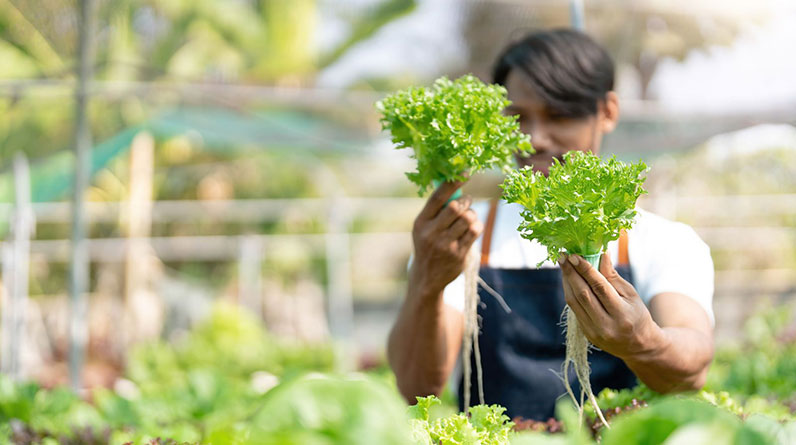
Growing organic food using hydroponics can transform your approach to gardening, allowing for greater control over the growing environment and potentially higher yields. Hydroponics eliminates soil from the equation, relying instead on nutrient-rich water solutions to nourish plants. This method is particularly appealing for urban dwellers with limited space or those looking to maximize efficiency and sustainability in food production. However, making the leap into hydroponics requires careful planning, understanding of the system, and a commitment to ongoing management.
The stakes are high for those venturing into hydroponics, as many enthusiasts experience frustration due to common pitfalls. Misunderstanding the nutrient requirements of plants or failing to maintain optimal environmental conditions can lead to disappointing results. Additionally, assumptions about the ease of hydroponic systems can mislead newcomers into overestimating their initial success or underestimating the time and resources required for effective management. Prioritizing which crops to grow, understanding the necessary equipment, and being realistic about your commitment level are crucial first steps.
Understanding Hydroponics Systems
Before diving into hydroponics, it’s important to understand the various systems available, such as deep water culture, nutrient film technique, and aeroponics. Each system has its unique benefits and drawbacks, influencing factors like cost, complexity, and maintenance requirements. For instance, deep water culture is relatively simple and inexpensive, making it suitable for beginners, while aeroponics may offer faster growth but requires more advanced technology and greater investment.
Choosing the right system also involves evaluating your space and resources. Smaller setups can work well in apartments, while larger systems may require more sophisticated infrastructure. A common mistake is underestimating the need for proper ventilation and light, which are crucial for plant health. Consider your budget and available space when deciding on a hydroponic system, and prioritize ease of use and maintenance based on your skill level.
Essential Equipment for Successful Hydroponics
The equipment needed for hydroponics can range from basic to highly specialized. At a minimum, you’ll need a container or growing tray, a pump, an air stone, and a nutrient solution. Beyond these basics, supplemental lighting—especially if you’re growing indoors—can significantly impact plant growth. LED grow lights are energy-efficient and effective, but they add to the initial cost.
While it may be tempting to skimp on equipment to save money, doing so can lead to problems down the line, such as poor growth or even system failure. For example, a low-quality pump may not deliver adequate water circulation, which is critical for healthy roots. Therefore, it’s wise to invest in reliable equipment, particularly if you’re serious about maximizing your hydroponic harvest.
Choosing Plants for Hydroponic Growth
Not all plants thrive equally in hydroponic systems, so selecting the right varieties is essential. Leafy greens like lettuce and spinach are often recommended for beginners due to their fast growth rates and lower nutrient requirements. Herbs such as basil and cilantro also adapt well to hydroponics, offering quick harvests and a variety of culinary uses.
However, many newcomers underestimate the differences in growth habits and nutrient needs among plant types. For example, fruiting plants like tomatoes or peppers require more nutrients and longer growth periods, which can complicate management for those new to hydroponics. Prioritizing easier crops initially can help build your confidence and understanding of the system before moving on to more complex plants.
Managing Nutrients and Water Quality
Water quality and nutrient management are the lifeblood of any hydroponic system. Plants rely on a careful balance of nutrients, which can be challenging to maintain. Regular testing of pH levels and electrical conductivity is essential for ensuring optimal plant health. Many beginners overlook this aspect, leading to nutrient deficiencies or toxicities that can stunt growth or kill plants.
Moreover, the source of your water can impact your hydroponics setup. Municipal water may contain chlorine or other chemicals that inhibit plant growth, while distilled or reverse osmosis water is often recommended for its purity. Balancing cost and quality is critical; investing in a water filtration system may be worthwhile if your water supply is poor. Understanding the nutrient requirements of your chosen plants and regularly monitoring water conditions will set the foundation for a thriving hydroponic garden.
Frequently Asked Questions
What is hydroponics?
Hydroponics is a method of growing plants without soil, using nutrient-rich water solutions to support plant growth.
Can I grow all types of plants hydroponically?
While many plants can grow hydroponically, leafy greens and herbs are often the easiest for beginners, while fruiting plants require more experience and care.
How often should I check water quality?
It’s advisable to check water quality at least once a week to monitor pH and nutrient levels, ensuring optimal conditions for plant growth.
What are the common mistakes in hydroponics?
Common mistakes include poor water quality management, inadequate lighting, and choosing plants that require more care than a beginner is ready for.
Is hydroponics suitable for small spaces?
Yes, hydroponics is particularly well-suited for small spaces as it can be adapted to fit various environments, including indoor setups.
Further Reading
Authoritative Sources
- EPA Safe Pest Control
epa.govOfficial information for safer pest-management decisions.
- USDA National Agricultural Library
nal.usda.govAgricultural and plant-science research resources.
- USDA NRCS Soil Resources
nrcs.usda.govOfficial soil health, conservation, and water-management information.
- Cooperative Extension Gardening Resources
extension.orgResearch-based gardening, soil, plant-care, and home-growing education.
Conclusion
Hydroponics offers a revolutionary way to grow organic food, but success hinges on careful planning and management. By understanding the systems available, investing in quality equipment, selecting suitable plants, and maintaining water quality, you can create a thriving hydroponic garden. Prioritize education and practical experience to overcome common pitfalls, and you’ll be well on your way to enjoying fresh, homegrown produce year-round.