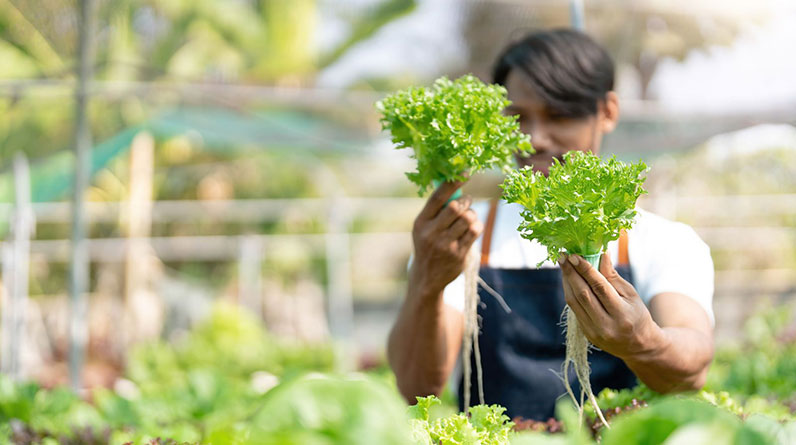
Creating a low-cost hydroponic system can transform your gardening experience, allowing you to grow fresh produce without the need for traditional soil methods. This innovative approach not only saves space but also utilizes water efficiently, making it a sustainable choice for urban dwellers and those with limited outdoor access. Engaging in hydroponics can seem daunting, but with careful planning and resourcefulness, you can establish an effective system that fits your budget and lifestyle.
However, many novice gardeners stumble at the starting line, often misjudging the costs and complexity involved. A common pitfall is underestimating the importance of choosing the right materials and system type. The balance between quality and cost can be tricky; opting for the cheapest components might lead to higher long-term expenses due to maintenance or crop failures. Understanding these trade-offs is crucial for a successful setup. Prioritize a solid foundation by researching the different hydroponic systems available and assessing what aligns with your skill level, budget, and available space.
Understanding Hydroponic Systems
Hydroponic systems come in various forms, each with distinct benefits and drawbacks. At its core, hydroponics is the practice of growing plants in a nutrient-rich water solution, eliminating the need for soil. Popular systems include nutrient film technique (NFT), deep water culture (DWC), and aeroponics. The choice of system significantly impacts growth rates, crop types, and overall maintenance. For instance, DWC is beginner-friendly and allows for rapid growth, while NFT requires more technical knowledge and careful monitoring of nutrient levels.
When deciding which system to pursue, consider your available space, the types of plants you wish to grow, and how much time you can dedicate to maintenance. A common misconception is that hydroponic gardening is only for seasoned horticulturists. In reality, many simple systems can be constructed with everyday materials. However, the complexity of the system can lead to varying success rates, particularly for beginners. Starting with a more straightforward approach often yields better initial results, allowing you to build confidence and expertise over time.
Essential Components for a Budget Build
To create a low-cost hydroponic system, you’ll need several key components: a container for the plants, a nutrient solution, a pump for water circulation (if applicable), and a light source if you don’t have sufficient natural sunlight. These elements can often be sourced cheaply or repurposed from household items. For example, plastic storage bins can serve as plant containers, while an aquarium pump can help circulate water in a DWC setup.
Pay attention to each component’s quality, as cheaper alternatives may lead to frequent repairs or replacements. For instance, while it might be tempting to buy a low-cost water pump, investing in a slightly more expensive, reliable model can save you money and hassle in the long run. Consider starting small; a system that supports a few plants is easier to manage and troubleshoot. Once you’re familiar with the basics, you can scale up and experiment with more elaborate setups.
Common Mistakes to Avoid
Many aspiring hydroponic gardeners fall into traps that can derail their success. One prevalent issue is neglecting the importance of pH and nutrient levels, which are critical for plant health in a hydroponic environment. A common assumption is that plants will thrive as long as they receive water and light. However, failing to monitor and adjust pH levels can lead to nutrient lockout, where plants cannot absorb essential elements, resulting in stunted growth or crop failure.
Another mistake is ignoring environmental factors such as light and temperature. Many beginners underestimate how much light their plants require, especially if growing indoors. Investing in quality grow lights or ensuring your plants receive adequate sunlight is essential. Additionally, be cautious about overcomplicating your system; starting with a simple design allows for easier management and understanding of how hydroponics works. As you gain experience, you can gradually introduce more advanced techniques.
Scaling Your Hydroponic System
Once you have successfully established a small hydroponic setup, you may wish to scale it up to increase your yield. This can involve adding more containers, integrating more advanced technologies like automated nutrient delivery systems, or even incorporating vertical gardening techniques. However, scaling up requires careful consideration of your available space, resources, and time commitment. A larger system can lead to more complex maintenance and higher initial costs, so it’s crucial to assess whether the benefits justify the investment.
Moreover, expanding your hydroponic system can lead to challenges such as increased energy consumption and the potential for disease spread among plants. Always monitor the health of your plants and the efficiency of your system as you scale. Starting with a well-structured plan will help you navigate these complexities and ensure that your expanded system remains productive and manageable.
Frequently Asked Questions
What is the cheapest hydroponic system to build?
A simple deep water culture (DWC) system is often the most affordable, using basic materials like plastic containers, air pumps, and nutrient solutions.
How much space do I need for a hydroponic system?
It depends on the type of system and the number of plants you wish to grow. A small countertop system can accommodate a few plants, while larger systems may require more space.
Can I use tap water for hydroponics?
Yes, but you should test and adjust the pH and chlorine levels to ensure they are optimal for plant growth.
How often do I need to change the nutrient solution?
It’s advisable to change the nutrient solution every two to three weeks to prevent nutrient imbalances and algae growth.
What plants are best for hydroponics?
Leafy greens like lettuce, herbs such as basil, and fast-growing plants like strawberries are excellent choices for beginners in hydroponics.
Conclusion
Building a low-cost hydroponic system is not only feasible but can also be a rewarding venture that enhances your gardening skills and provides fresh produce. Focus on understanding the fundamental components and avoid common pitfalls by prioritizing quality and simplicity in your initial setup. As you gain confidence, consider scaling your system and experimenting with different plants and techniques. Remember, the journey of hydroponic gardening is as enriching as the harvest itself.