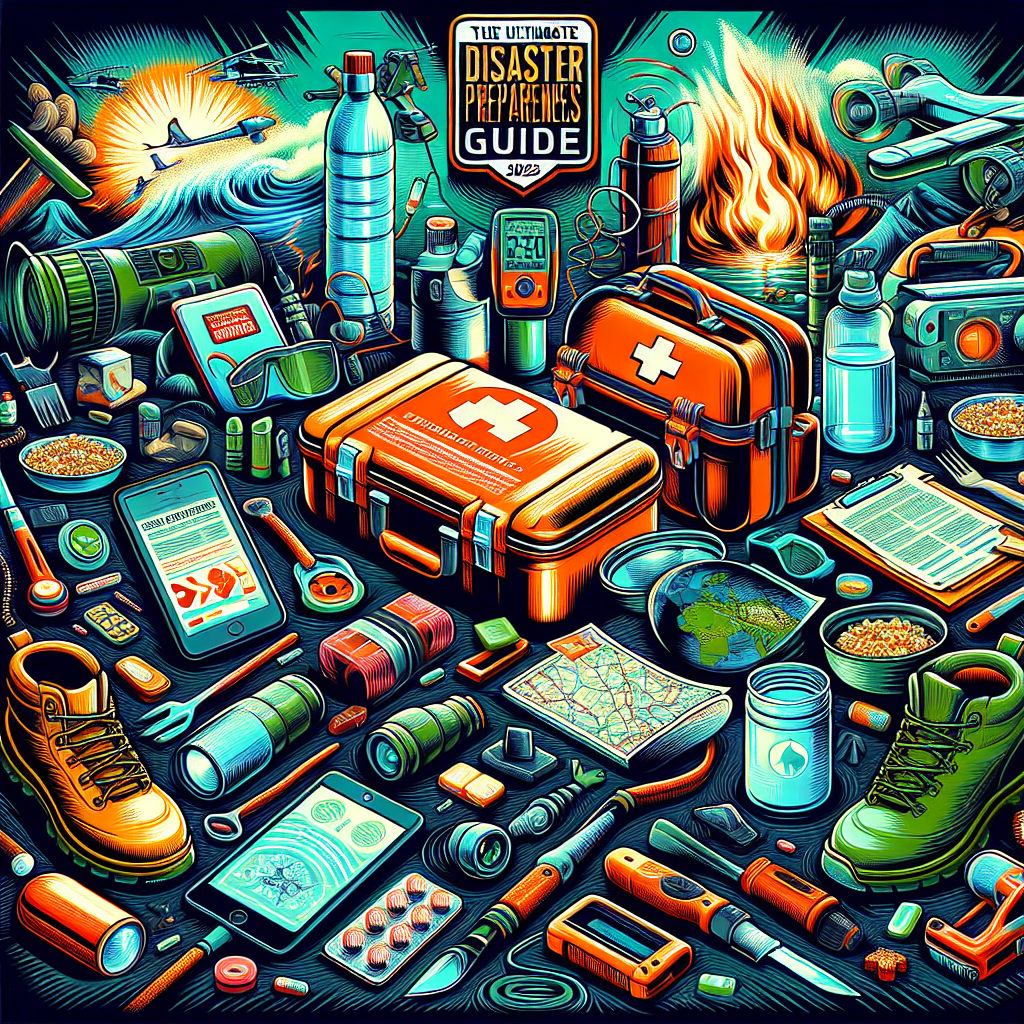
Understanding what to prioritize can make a significant difference during an emergency. Focus on food items that require minimal preparation, such as canned goods, dried fruits, and nut butter. Accompany these with a sufficient water supply—generally one gallon per person per day for at least three days. First aid supplies, including bandages, antiseptics, and any necessary medications, are crucial. Common mistakes include overpacking the kit with items that may not be useful or neglecting to check expiration dates regularly. It’s important to balance thoroughness with practicality, ensuring that your kit is both compact and effective.
Consider the unique needs of your household when creating your emergency kit. Families with young children may need to include baby formula, diapers, and comfort items. Those with pets should ensure their supplies are also included. Additionally, keep in mind that emergencies can vary in duration and type, so flexibility in your kit will help you adapt to different situations. Regularly reviewing and updating your emergency kit will ensure that it remains relevant and effective when needed the most.
Essential Food Items
Including the right food items in your emergency kit is critical for maintaining energy and health during a crisis. Foods that are high in calories and require no refrigeration are ideal. Packaged foods such as energy bars, canned fruits, vegetables, and ready-to-eat meals can provide the necessary nutrients without the need for cooking.
When selecting food items, consider those that have a long shelf life and are easy to prepare. Look for items like instant oatmeal, dried beans, and canned soup. A common pitfall is forgetting to rotate and refresh these supplies; expired food can be detrimental during an emergency. Set a schedule to check expiration dates and replace items as necessary. Remember, the goal is to have a reliable supply of food that can be easily consumed when needed.
Also, be mindful of dietary restrictions and preferences within your household. If someone has allergies or specific dietary needs, ensure their requirements are met in the kit. For example, gluten-free or vegan options should be included if needed. In real-world scenarios, neglecting these considerations can lead to unnecessary stress during an already challenging time.
Water and Hydration Needs
Water is one of the most crucial components of any emergency kit. The general guideline is to have at least one gallon of water per person per day for at least three days, not only for drinking but also for sanitation purposes. Storing water properly is essential; use clean, food-grade containers and replace the water every six months to ensure freshness.
In addition to bottled water, consider including water purification tablets or filters in your kit, which can be invaluable if you run out of stored water. A common mistake people make is underestimating their water needs or failing to account for pets that also require hydration. Be proactive by calculating the total water requirements for all household members, including pets, to avoid shortages.
Evaluate your local water source options, as you may need to collect rainwater or use nearby streams during an emergency. However, always ensure that any water source is purified before consumption. Many people overlook the importance of having multiple solutions for water sourcing, which can lead to dire situations if initial supplies run out.
First Aid Supplies
Having a well-stocked first aid kit is essential for addressing minor injuries and health issues that may arise during an emergency. Basic supplies should include adhesive bandages, antibiotic ointment, gauze pads, and medical tape. Additionally, include medications for pain relief, allergy relief, and any prescription medications that household members may need.
When assembling your first aid kit, consider the types of injuries that are most likely to occur during an emergency. For example, if you live in an area prone to natural disasters, include items that can help treat injuries from debris or falls. The biggest mistake is having a first aid kit that is either incomplete or not tailored to your specific needs. Take time to personalize your kit based on the health requirements of your household.
Regularly check your first aid supplies to ensure that items are not expired and that you have everything needed for potential emergencies. In practice, many people find themselves in situations where they need specific supplies, only to discover they are missing or outdated. By maintaining an organized and updated first aid kit, you can significantly reduce stress during emergencies.
Additional Supplies and Personal Items
Your emergency kit should also include additional supplies that cater to the unique needs of your household. Flashlights, batteries, multi-tools, and blankets are essential for comfort and safety. Personal hygiene items such as soap, hand sanitizer, and sanitary supplies are also important to maintain health and dignity during prolonged emergencies.
Consider including a battery-powered or hand-crank radio for updates on emergency situations. A common oversight is failing to include important documents, such as identification, insurance papers, and medical records, which can be essential in times of crisis. Make copies of these documents and store them in a waterproof container within your kit.
Regularly review and update these supplies based on seasonal changes and family needs. For instance, if you have young children or pets, include items that cater to their comfort during stressful times. The importance of personalization cannot be overstated; an emergency kit should be an extension of your household’s needs rather than a one-size-fits-all solution.
Further Reading
Building an effective emergency kit requires continual learning and adaptation. For authoritative guidance, refer to local emergency management websites or the American Red Cross, which offer comprehensive resources on emergency preparedness tailored to various situations.
Further Reading
Authoritative Sources
- Ready.gov
ready.govOfficial U.S. preparedness guidance, checklists, and planning resources for households and emergencies.
- FEMA
fema.govFederal emergency management resources, disaster planning information, and recovery guidance.
- American Red Cross Emergency Preparedness
redcross.orgPractical emergency preparation steps, supply lists, and safety guidance for families.
- National Weather Service
weather.govOfficial forecasts, hazard alerts, and weather safety information.
- CDC Emergency Preparedness and Response
cdc.govPublic health guidance for emergencies, disasters, and recovery situations.
Frequently Asked Questions
How often should I check my emergency kit?
Review your emergency kit every six months to ensure all items are current and functional, replacing expired food and medications as needed.
What types of food are best for an emergency kit?
Non-perishable, ready-to-eat foods like canned goods, energy bars, and dehydrated meals are ideal due to their long shelf life and ease of preparation.
How do I store water for emergencies?
Use clean, food-grade containers and store water in a cool, dark place. Replace stored water every six months for safety.
What should I do if my first aid supplies expire?
Replace any expired items immediately to ensure your first aid kit is ready for use. Regular checks every six months can help keep it stocked.
How can I personalize my emergency kit for children or pets?
Include specific items like baby formula, diapers for infants, and food or medication for pets, ensuring their needs are met during emergencies.
Conclusion
Creating a basic emergency kit from household items requires careful planning and regular maintenance. Focus on including essential food, water, first aid supplies, and personalized items to address the unique needs of your family. Regularly review and update your kit to ensure everything remains relevant and functional. By prioritizing these factors, you’ll be better prepared for emergencies, ultimately reducing anxiety and increasing your household’s resilience in times of crisis.