Quick Take: You should check and maintain your hydroponics system daily to ensure optimal conditions, including water levels, pH, and nutrient concentrations. Regularly inspect for signs of pests, diseases, or equipment malfunctions, ideally once a week. Perform a more thorough cleaning and system check every 2-4 weeks to prevent buildup and ensure everything functions properly. Consistent maintenance helps promote healthy plant growth and prevents costly issues.
Jump To
- Essential Maintenance Tips for Hydroponics Gardening Success
- Regular System Inspection and Cleaning
- Monitoring and Adjusting Nutrient Levels
- Maintaining Water Quality and Temperature
- Ensuring Proper Lighting and Ventilation
- Managing Pest and Disease Prevention
- Adjusting System Components for Optimal Performance
- Seasonal and Environmental Considerations
- Record Keeping and Continuous Learning
- Conclusion
- Important Questions and Answers
- What are the key advantages of growing plants through hydroponic gardening?
- What are the typical types of hydroponic growing systems?
- Which nutrients are vital for healthy growth of hydroponic plants?
Essential Maintenance Tips for Hydroponics Gardening Success
Maintaining a hydroponics garden requires a keen eye and consistent attention to detail, as even small fluctuations can impact plant health. Daily checks of water levels, pH balance, and nutrient concentrations help create a stable environment for your crops to thrive. Regular inspections for pests, mold, or equipment issues can catch problems before they escalate, while more thorough cleanings every few weeks prevent mineral buildup and keep systems running smoothly. With diligent upkeep, your hydroponic setup can deliver lush, healthy plants season after season.
Regular System Inspection and Cleaning
One of the most critical aspects of maintaining a successful hydroponic garden is conducting regular inspections of your system. This involves checking for signs of wear, leaks, or blockages that could impede water flow or nutrient delivery. For example, if you notice a sudden decline in plant health, it might be due to clogged drippers or damaged tubing. Schedule weekly inspections to identify and address these issues early.
Cleaning your system thoroughly at least once a month is equally important. Remove any algae buildup, mineral deposits, or debris that can accumulate in reservoirs, pipes, and grow trays. Use a mixture of water and mild, non-corrosive cleaning agents, such as vinegar or hydrogen peroxide, to disinfect components without harming your plants. Proper cleaning not only prevents disease but also ensures that your system operates efficiently, conserving water and nutrients.
Monitoring and Adjusting Nutrient Levels
Maintaining the correct nutrient balance is vital for optimal plant growth. Hydroponic systems rely on precise nutrient solutions, which must be monitored regularly using a TDS (Total Dissolved Solids) meter or EC (Electrical Conductivity) meter. For instance, leafy greens like lettuce typically require an EC of 1.5 to 2.0 mS/cm, while fruiting plants like tomatoes may need higher levels around 2.0 to 3.0 mS/cm.
Adjust nutrient concentrations based on plant stage and health. During vegetative growth, plants benefit from higher nitrogen levels, whereas flowering and fruiting stages require increased phosphorus and potassium. Always follow manufacturer instructions for nutrient mixes, and avoid overfeeding, which can lead to root burn or algae growth. Regularly check pH levels, aiming for a range of 5.5 to 6.5, and adjust with pH up or down solutions as needed.
For example, if your tomato plants show signs of nutrient deficiency—such as yellowing leaves or poor fruit development—you may need to increase specific nutrients or correct pH imbalances. Keeping detailed logs of nutrient adjustments can help you fine-tune your system over time.
Maintaining Water Quality and Temperature
Water quality directly impacts plant health in hydroponic systems. Use filtered or distilled water when possible to reduce the risk of contaminants and mineral imbalances. Regularly test water for pH, EC, and microbial presence. If you notice foul odors or cloudiness, it’s time to change the water entirely.
Temperature control is equally crucial. Most hydroponic plants thrive in temperatures between 65°F and 75°F (18°C to 24°C). Excessively high temperatures can cause oxygen depletion and promote pathogen growth, while low temperatures slow down plant metabolism. Use fans, heaters, or cooling systems to maintain stable conditions. For example, during summer months, installing shade cloths or misting systems can help prevent overheating.
Ensuring Proper Lighting and Ventilation
Lighting is a cornerstone of hydroponic success. Depending on your crop, you may need to supplement natural sunlight with grow lights such as LED or high-pressure sodium lamps. For instance, basil and lettuce require about 12-16 hours of light daily, while fruiting plants like peppers need 14-18 hours. Position lights at the correct distance from plants—generally 12-24 inches—to prevent heat stress or light burn.
Ventilation is equally important to prevent humidity buildup and promote healthy airflow. Use oscillating fans to circulate air within your grow space, reducing the risk of mold and fungal diseases. Proper ventilation also helps regulate temperature and humidity levels, creating an environment conducive to vigorous plant growth.
Managing Pest and Disease Prevention
Although hydroponic systems are less susceptible to soil-borne pests, they are not immune to infestations and diseases. Regularly inspect plants for common pests such as aphids, spider mites, and whiteflies. Use organic pest control methods like neem oil or insecticidal soaps, and introduce beneficial insects like ladybugs when appropriate.
Prevent disease by maintaining cleanliness and avoiding overwatering, which can lead to root rot. Ensure good air circulation and avoid overcrowding plants, as dense foliage can trap humidity and foster fungal growth. If you detect signs of disease—such as discolored leaves or mold—remove affected plants immediately and disinfect your system components to prevent spread.
Adjusting System Components for Optimal Performance
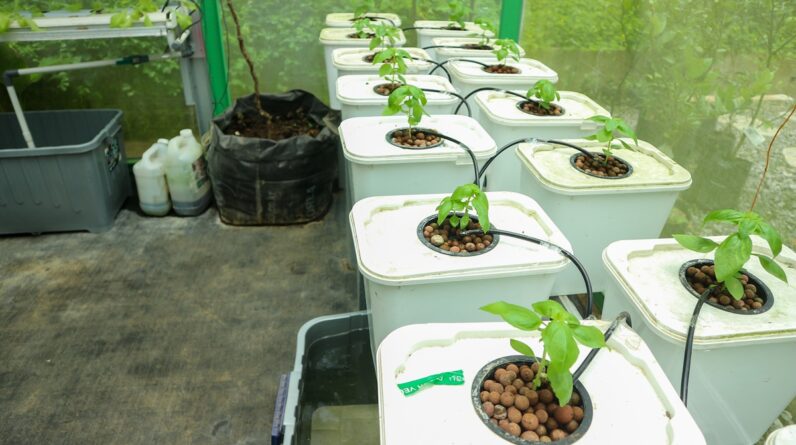
Over time, certain system components may require adjustments or replacements to maintain efficiency. For example, pumps can become clogged or less effective, so check their operation regularly and replace filters as needed. Grow media such as clay pellets or coconut coir should be inspected for compaction or degradation, which can hinder root development.
Additionally, consider upgrading parts of your system as your garden expands. Larger reservoirs or more powerful pumps may be necessary to support increased plant density. Modular systems allow for easy expansion and customization, ensuring your hydroponic setup remains productive and manageable.
Seasonal and Environmental Considerations
Adapting your maintenance routine to seasonal changes can significantly impact your hydroponic success. During winter, supplemental heating may be necessary to maintain optimal water and air temperatures. Conversely, in summer, increased cooling and shading help prevent heat stress.
Environmental factors such as humidity and ambient light levels should also be monitored. Use hygrometers and light meters to inform adjustments in ventilation, lighting, and watering schedules. For example, high humidity levels above 70% can promote mold growth, so dehumidifiers or increased airflow might be required.
Record Keeping and Continuous Learning
Maintaining detailed records of your hydroponic system’s performance—such as nutrient levels, pH, temperature, and pest occurrences—can help identify patterns and improve your practices over time. Use a gardening journal or digital logs to track changes and outcomes.
Stay informed about new hydroponic technologies and techniques by reading reputable sources, attending workshops, or joining online communities. Continuous learning allows you to troubleshoot issues more effectively and implement innovative solutions that can boost your garden’s productivity.
Conclusion
Successful hydroponic gardening hinges on diligent maintenance and proactive management. Regular inspections, precise nutrient control, water quality management, and environmental adjustments are all essential components of a thriving system. By implementing these detailed maintenance tips, you’ll be well-equipped to grow healthy, abundant crops year-round. Remember, consistency and attention to detail are your best tools in achieving hydroponic gardening success.
Important Questions and Answers
What are the key advantages of growing plants through hydroponic gardening?
Hydroponic gardening allows for faster plant growth and higher yields compared to traditional soil gardening. It also uses less water since the nutrient solution is recirculated, making it more environmentally friendly. Additionally, hydroponics can be done indoors or in small spaces, providing year-round cultivation regardless of outdoor weather conditions.
What are the typical types of hydroponic growing systems?
Common hydroponic systems include nutrient film technique (NFT), deep water culture (DWC), drip systems, and aeroponics. Each system has its own method of delivering nutrients to the plants' roots, and the choice depends on the type of plants being grown and available space. These systems are designed to optimize oxygen and nutrient delivery for healthy plant growth.
Which nutrients are vital for healthy growth of hydroponic plants?
Hydroponic plants require a balanced mix of macronutrients such as nitrogen, phosphorus, and potassium, along with micronutrients like calcium, magnesium, and iron. Since there is no soil to provide these nutrients, they must be supplied through the nutrient solution. Proper nutrient management is crucial to prevent deficiencies and ensure healthy plant development.