


Instant Answer: Setting up a home hydroponic garden can cost between $50 and $500, depending on the size and complexity of the system. Basic setups with simple containers and DIY nutrient solutions are on the lower end, while advanced systems with automated lighting and climate control can be more expensive. Essential components include grow trays, a water pump, nutrient solutions, and grow lights, which can be purchased separately or as part of a kit. Overall, costs vary based on the scale and features desired, but a small, beginner-friendly system typically starts around $100.
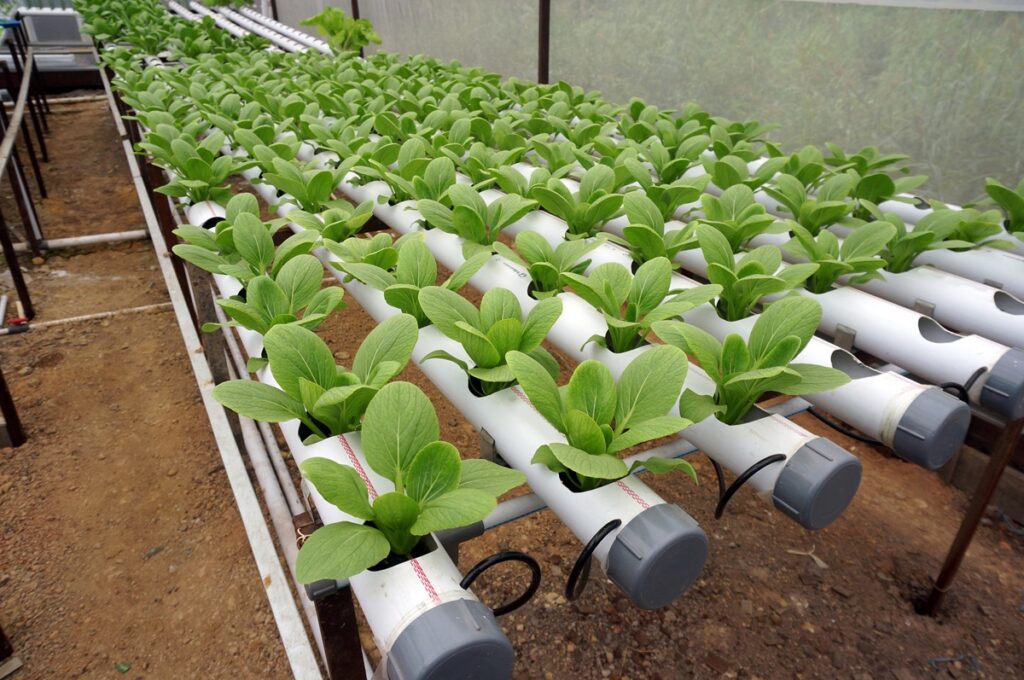
Table of Contents
- Understanding the Costs of Gardening Hydroponically at Home
- Initial Investment: Setting Up Your Hydroponic System
- Ongoing Expenses: Maintaining Your Hydroponic Garden
- Hidden or Unexpected Costs
- Cost Comparison: Hydroponic vs. Traditional Soil Gardening
- Budgeting Tips for a Successful Hydroponic Garden
- Conclusion
- Other Questions People Ask
- What are common types of hydroponic systems used for home gardening?
- What are the key nutrients needed for hydroponic gardening?
- What is Gardening hydroponically and why is it important?
Understanding the Costs of Gardening Hydroponically at Home
Creating a hydroponic garden at home can be surprisingly affordable, with entry-level setups starting around $100 and scaling up to several hundred dollars for more sophisticated systems. The initial investment covers essential components like grow trays, water pumps, nutrient solutions, and grow lights, each contributing to the overall cost depending on their quality and complexity. While a simple, DIY approach with basic containers can keep expenses low, more advanced systems featuring automated lighting, climate control, and precise nutrient delivery can quickly push costs higher. Ultimately, the investment reflects the level of automation and scale you desire, making hydroponic gardening accessible for both casual enthusiasts and dedicated growers.
Initial Investment: Setting Up Your Hydroponic System
One of the most significant factors influencing the overall cost of hydroponic gardening is the initial setup. This includes purchasing equipment, containers, and necessary supplies. The type of system you choose—be it a simple DIY setup or a commercial-grade system—will greatly impact your expenses.
Basic Hydroponic Systems and Their Costs
- Deep Water Culture (DWC): This system involves suspending plant roots in a nutrient-rich oxygenated water solution. For a small, home-based DWC setup, expect to spend between $50 to $150. Basic components include a plastic container or reservoir, air pump, air stones, net pots, and growing medium like clay pellets or perlite.
- Krishna or Wick Systems: These are among the simplest and most affordable options, often costing less than $50. They use wicks to draw nutrient solution to the roots, making them ideal for beginners or small-scale herb gardens.
- Drip Systems: More complex and scalable, drip systems can cost between $150 to $500 depending on size and automation features. They include a pump, tubing, drippers, and reservoirs.
- Flood and Drain (Ebb and Flow): This setup involves periodically flooding the grow tray with nutrient solution. Costs typically range from $200 to $600, including the pump, tray, reservoir, and timer.
- Aeroponics Systems: These are advanced and tend to be more expensive, often exceeding $500 for complete kits, but they offer rapid plant growth and high yields.
Additional Equipment and Supplies
Beyond the core system, you’ll need various accessories and supplies, which can add to your initial costs:
- Grow Lights: For indoor hydroponics, lighting is crucial. LED grow lights are energy-efficient and effective, costing between $50 to $300 depending on size and quality.
- Nutrient Solutions: High-quality hydroponic nutrients typically cost around $20 to $50 per quart, with a typical home gardener needing 1-2 quarts per growing season.
- Growing Mediums: Clay pellets, coconut coir, or perlite are common choices, costing approximately $10 to $30 per bag.
- pH Testing Kits and Meters: Accurate pH management is vital; kits cost around $10 to $50.
- Timers and Controllers: Automating watering and lighting can cost between $20 to $100.
Ongoing Expenses: Maintaining Your Hydroponic Garden
While the initial investment is significant, ongoing costs are essential to keep your hydroponic system functioning optimally. These recurring expenses include nutrients, electricity, water, and replacement parts.
Cost of Nutrients and Supplements
Hydroponic nutrients are formulated to provide plants with essential macro and micronutrients. Expect to spend around $20 to $50 every few months, depending on the size of your garden and plant variety. Organic options are available but tend to be slightly more expensive.
Electricity Costs
Lighting, pumps, and fans contribute to your electricity bill. For a small indoor setup using LED grow lights and a few pumps, monthly electricity costs can range from $10 to $30. Larger or more complex systems may increase this expense.
Water and pH Adjustments
Water costs are minimal if you use tap water, but you may need to invest in pH adjusters (pH up and pH down solutions), which cost around $10 to $20 per bottle and last several months.
Replacement Parts and System Maintenance
Over time, components such as air stones, tubing, or pumps may need replacing. Budget approximately $50 to $100 annually for maintenance and replacement parts to keep your system running smoothly.
Hidden or Unexpected Costs
Many new hydroponic gardeners encounter unforeseen expenses that can impact their budget:
- Electrical Surges or Failures: Investing in surge protectors or backup power supplies (~$50 to $150) can prevent costly damage.
- Pest and Disease Control: Organic pest control products or disease management supplies may add to your costs, especially if you expand your garden.
- Space Modifications: Creating a dedicated indoor grow space might require shelving, ventilation, or climate control, which can range from $100 to $500 depending on your setup.
Cost Comparison: Hydroponic vs. Traditional Soil Gardening
While hydroponic gardening can have higher upfront costs, it offers several advantages that can offset expenses over time. For example, hydroponic systems often produce faster yields—sometimes doubling or tripling the growth rate of soil-based plants—leading to quicker harvests and more frequent cropping cycles.
In contrast, traditional soil gardening may require less initial investment but can incur ongoing costs for soil amendments, fertilizers, and pest control. Additionally, soil gardening is more susceptible to weather fluctuations, which can impact yields and increase the need for protective measures or greenhouse structures.
Budgeting Tips for a Successful Hydroponic Garden
- Start Small: Begin with a simple, affordable system like a wick or DWC setup to learn the basics before expanding.
- Plan for Expansion: Choose modular systems that can be scaled up as your experience grows and your budget allows.
- Research Quality Equipment: Investing in reliable, energy-efficient grow lights and pumps can save money in the long run through reduced energy costs and fewer replacements.
- Utilize DIY Solutions: Many components, such as reservoirs or grow trays, can be built at home using inexpensive materials, significantly reducing costs.
- Monitor and Maintain: Regular system checks and maintenance can prevent costly repairs and ensure optimal plant growth.
Conclusion
Understanding the costs associated with hydroponic gardening at home is crucial for planning a successful and sustainable project. While the initial setup can range from as little as $50 for a basic system to over $1,000 for more advanced configurations, ongoing expenses are manageable with proper planning. By carefully selecting equipment, starting small, and maintaining your system diligently, you can enjoy fresh, home-grown produce year-round without breaking the bank. Whether you’re growing herbs on your kitchen windowsill or cultivating a variety of vegetables in a dedicated indoor space, a well-budgeted hydroponic garden can be a rewarding and cost-effective way to enjoy gardening in any environment.
Other Questions People Ask
Question about Understanding the Costs of Gardening Hydroponically at Home …?
What are the typical initial costs involved in setting up a hydroponic garden at home? The initial investment can range from $50 for simple DIY systems to over $500 for more advanced, automated setups. Essential components include grow trays, water pumps, nutrient solutions, and grow lights, which vary in price based on quality and features. Starting with a small, beginner-friendly system usually costs around $100.
What is Understanding the Costs of Gardening Hydroponically at Home and why is it important?
Understanding what Understanding the Costs of Gardening Hydroponically at Home entails provides a solid foundation for further learning. It encompasses both the key concepts and the role it plays in its broader context. Knowing why it matters helps you prioritize it appropriately and recognize the benefits it can offer. This perspective also guides your decisions about when and how to apply Understanding the Costs of Gardening Hydroponically at Home.
How do you choose the right Understanding the Costs of Gardening Hydroponically at Home?
Selecting the right Understanding the Costs of Gardening Hydroponically at Home depends on your specific goals and circumstances. Consider factors such as quality, applicability, and how well it aligns with your needs. Researching options and comparing features will help you make an informed choice. Taking the time to evaluate these aspects ensures a better fit and greater success.