


Instant Answer: Hydroponic gardening allows plants to grow in nutrient-rich water instead of soil, leading to faster growth and higher yields due to direct nutrient access. It requires less space and water, making it more efficient and suitable for urban or limited environments. However, hydroponic systems can be more complex and costly to set up and maintain compared to traditional soil gardening. Soil gardening benefits from natural soil ecosystems and is generally simpler and more affordable for beginners.
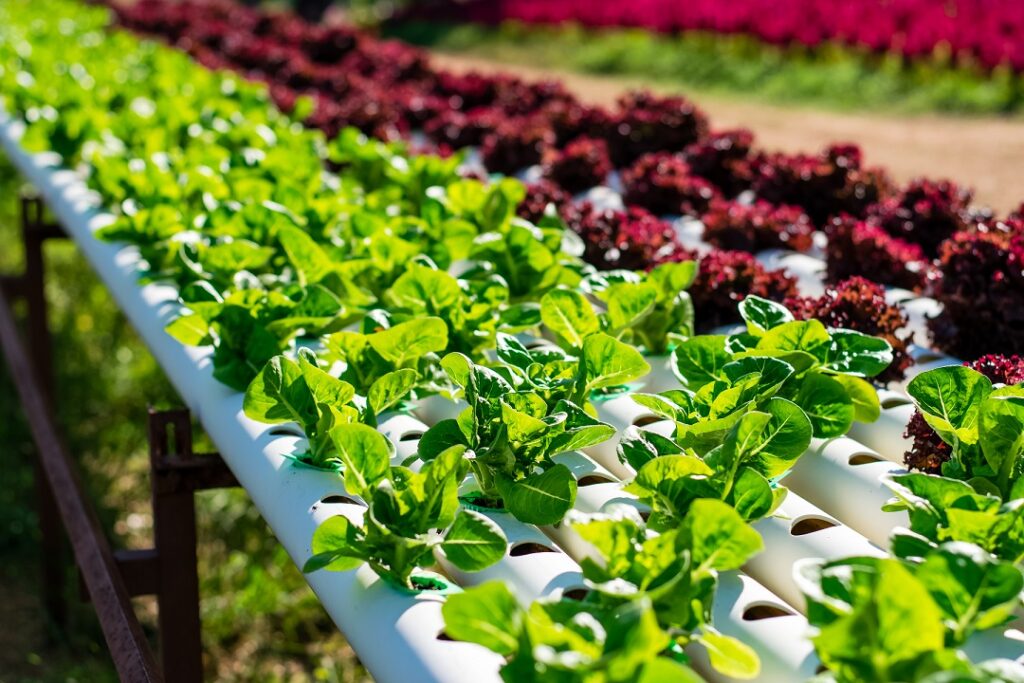
Table of Contents
- Advantages of Hydroponic Gardening Over Traditional Soil Cultivation
- 1. Accelerated Plant Growth and Higher Yields
- 2. Precise Control Over Nutrients and Growing Conditions
- 3. Water Efficiency and Conservation
- 4. Reduced Use of Pesticides and Herbicides
- 5. Space Optimization and Urban Farming Opportunities
- 6. Reduced Soil Dependency and Soil-Related Issues
- 7. Reduced Labor and Maintenance
- 8. Environmental Sustainability and Reduced Carbon Footprint
- 9. Enhanced Food Security and Resilience
- 10. Educational and Research Opportunities
- Conclusion
- Other Questions People Ask
- What are the main benefits of hydroponic gardening?
- What are the common types of hydroponic systems?
- What nutrients are essential for hydroponic plants?
Advantages of Hydroponic Gardening Over Traditional Soil Cultivation
Hydroponic gardening offers a striking alternative to traditional soil cultivation, with plants thriving in nutrient-rich water solutions that deliver essential minerals directly to their roots. This method often results in faster growth cycles and higher yields, making it an attractive option for urban farmers and those with limited space. Its water efficiency and compact setup can transform small balconies or indoor corners into productive green spaces, but the system’s complexity and initial costs can be a hurdle for newcomers. While soil gardening benefits from natural ecosystems and simplicity, hydroponics pushes the boundaries of conventional cultivation, emphasizing precision and innovation in plant care.
1. Accelerated Plant Growth and Higher Yields
One of the most compelling reasons to adopt hydroponic systems is the potential for faster plant growth and increased yields. Since plants receive a precisely balanced mix of nutrients directly to their roots, they can absorb essential elements more efficiently than in soil. For example, lettuce grown hydroponically can reach harvest maturity in about 30 days, compared to 45-60 days in traditional soil beds. Similarly, studies have shown that tomatoes cultivated hydroponically can produce up to 25% more fruit within the same timeframe as soil-grown counterparts.
This accelerated growth is particularly advantageous for commercial growers aiming to maximize production within limited space and time constraints. In urban environments where land is scarce, hydroponic farms can generate multiple harvests annually, significantly boosting profitability and food availability.
2. Precise Control Over Nutrients and Growing Conditions
Hydroponic systems allow growers to meticulously control the nutrient composition, pH levels, and environmental factors such as temperature and humidity. This precision ensures optimal conditions for plant development, reducing the risk of deficiencies or toxicities. For instance, if a crop shows signs of calcium deficiency, the grower can adjust the nutrient solution immediately, preventing crop loss.
Such control is especially beneficial for delicate plants like herbs, strawberries, or exotic vegetables that require specific growing conditions. Moreover, it enables year-round cultivation regardless of seasonal changes, ensuring a consistent supply of fresh produce.
3. Water Efficiency and Conservation
Traditional soil farming often involves significant water runoff and evaporation, leading to resource wastage. In contrast, hydroponic systems recycle water within closed-loop setups, drastically reducing overall consumption. According to the National Aeronautics and Space Administration (NASA), hydroponic systems can use up to 90% less water than conventional farming methods.
For example, a hydroponic lettuce farm in New York City uses approximately 50% less water than traditional farms, while still producing high-quality, crisp leaves. This efficiency makes hydroponics an attractive option in arid regions or areas facing water scarcity, contributing to sustainable agriculture practices.
4. Reduced Use of Pesticides and Herbicides
Growing plants in a controlled environment minimizes exposure to pests and diseases that are common in soil-based farming. Since hydroponic systems are often housed indoors or within protected structures, the need for chemical interventions diminishes significantly. This results in cleaner, safer produce for consumers and reduces environmental contamination.
For example, hydroponic strawberry farms in California report a 70% reduction in pesticide use compared to traditional fields. Additionally, the controlled environment allows for integrated pest management strategies that are more targeted and environmentally friendly.
5. Space Optimization and Urban Farming Opportunities
Hydroponic gardening is highly adaptable to various spaces, from small balconies to expansive warehouse facilities. Vertical farming techniques, such as stacking multiple hydroponic layers, maximize space utilization and enable urban dwellers to grow fresh produce in city centers. This approach not only reduces transportation emissions but also provides local access to nutritious food.
For example, the Brooklyn Grange rooftop farm in New York City employs vertical hydroponic systems to produce thousands of pounds of vegetables annually, supplying local markets and restaurants. Such innovations demonstrate how hydroponics can transform underutilized urban spaces into productive agricultural hubs.
6. Reduced Soil Dependency and Soil-Related Issues
Traditional farming relies heavily on soil quality, which can be compromised by erosion, salinity, or contamination. Hydroponic systems eliminate the need for soil altogether, sidestepping issues like soil-borne diseases, pests, and nutrient depletion. This makes hydroponics particularly suitable for areas with poor soil conditions or contaminated land.
For instance, in regions affected by industrial pollution, hydroponic farms have successfully cultivated crops without soil, ensuring safe and healthy produce. This approach also reduces the need for soil amendments and fertilizers, lowering overall input costs and environmental impact.
7. Reduced Labor and Maintenance
While traditional farming often requires extensive labor for soil preparation, planting, weeding, and pest control, hydroponic systems streamline many of these tasks. Automated nutrient delivery, climate control, and monitoring systems reduce manual labor and allow for easier management of large-scale operations.
Commercial hydroponic farms like Freight Farms in Boston utilize smart technology to monitor and adjust conditions remotely, saving time and labor costs. This efficiency enables small-scale growers and entrepreneurs to operate profitable farms with fewer resources.
8. Environmental Sustainability and Reduced Carbon Footprint
Hydroponic gardening supports sustainable agriculture by conserving water, reducing chemical use, and minimizing land degradation. Additionally, local hydroponic farms decrease the need for long-distance transportation of produce, thereby lowering greenhouse gas emissions associated with food distribution.
For example, a study by the University of Arizona found that hydroponic tomato production results in a 50% reduction in carbon footprint compared to conventional methods. As consumers become more environmentally conscious, hydroponic produce offers a greener alternative that aligns with eco-friendly values.
9. Enhanced Food Security and Resilience
In the face of climate change, droughts, and natural disasters, traditional agriculture faces increasing challenges. Hydroponic systems, especially those operated indoors or in controlled environments, provide a resilient food production method that can withstand extreme weather conditions. Urban hydroponic farms can supply fresh produce even during disruptions to rural supply chains.
For example, during the COVID-19 pandemic, several urban hydroponic farms in the United States maintained consistent food production, demonstrating their role in strengthening local food security.
10. Educational and Research Opportunities
Hydroponic systems serve as excellent educational tools for students and researchers interested in sustainable agriculture, plant biology, and environmental science. They offer hands-on experience with plant growth, nutrient management, and system design, fostering innovation and environmental stewardship.
Many universities now incorporate hydroponic labs into their curricula, encouraging students to develop new techniques and technologies that can further improve efficiency and sustainability.
Conclusion
Hydroponic gardening presents a compelling alternative to traditional soil cultivation, offering numerous advantages that address many of the challenges faced by modern agriculture. From faster growth rates and higher yields to water conservation and environmental sustainability, hydroponics is shaping the future of food production. Whether you are a home gardener looking to grow fresh herbs on your balcony or a commercial farmer aiming to maximize output in limited space, hydroponic systems provide a versatile, efficient, and eco-friendly solution.
As technology advances and awareness grows, the adoption of hydroponic methods is expected to expand, contributing to a more sustainable and resilient global food system. Embracing this innovative approach can help ensure food security, reduce environmental impact, and promote healthier communities worldwide.
Other Questions People Ask
Question about Advantages of Hydroponic Gardening Over Traditional Soil Cultivation …?
Hydroponic gardening offers faster plant growth and higher yields because plants receive nutrients directly through water, bypassing the need for soil. This method allows for precise control over nutrient levels, optimizing plant health and productivity. As a result, crops like lettuce and tomatoes can be harvested more quickly and in greater quantities compared to traditional soil farming.
What is Advantages of Hydroponic Gardening Over Traditional Soil Cultivation and why is it important?
Understanding what Advantages of Hydroponic Gardening Over Traditional Soil Cultivation entails provides a solid foundation for further learning. It encompasses both the key concepts and the role it plays in its broader context. Knowing why it matters helps you prioritize it appropriately and recognize the benefits it can offer. This perspective also guides your decisions about when and how to apply Advantages of Hydroponic Gardening Over Traditional Soil Cultivation.
How do you choose the right Advantages of Hydroponic Gardening Over Traditional Soil Cultivation?
Selecting the right Advantages of Hydroponic Gardening Over Traditional Soil Cultivation depends on your specific goals and circumstances. Consider factors such as quality, applicability, and how well it aligns with your needs. Researching options and comparing features will help you make an informed choice. Taking the time to evaluate these aspects ensures a better fit and greater success.