Instant Answer: To start a simple hydroponic gardening system at home, choose a container like a plastic bin or a tray to hold your nutrient solution and plants. Use a growing medium such as coconut coir or perlite to support your plants, and set up a water pump or air stone to circulate oxygen in the nutrient solution. Select easy-to-grow plants like lettuce or herbs, and regularly monitor and adjust the pH and nutrient levels of your solution. Keep the system in a well-lit area or provide grow lights to ensure healthy plant growth.
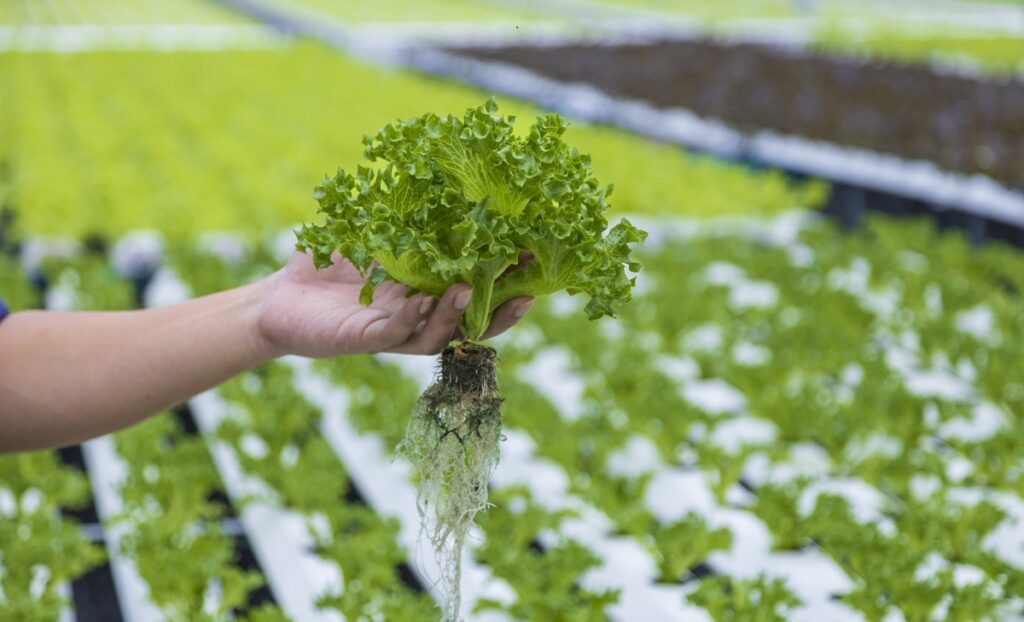
Hydroponic gardening is a soil-less cultivation method that allows you to grow plants using nutrient-rich water solutions. It offers faster growth, higher yields, and can be set up indoors or outdoors with minimal space. Starting a simple hydroponic system at home is accessible and rewarding, even for beginners.
Last updated: December 16, 2025
Table of Contents
- Real-world use cases
- Common mistakes
- Materials and Tools Needed
- Steps to Set Up Your Hydroponic System
- Troubleshooting and Maintenance
- Real-World Use Case
- Pros and cons
- FAQ
- Q: Do I need a lot of space to start?
- Q: Can I grow any plant hydroponically?
- Q: Is hydroponic gardening safe for beginners?
- Comparison
- Sources & further reading
- Conclusion
- Other Questions People Ask
- What are the main benefits of hydroponic gardening?
- What nutrients are essential for hydroponic plants?
- What is hydroponic gardening and why is it important?
Real-world use cases

Hydroponic gardening transforms the way we grow food by allowing plants to thrive in nutrient-rich water solutions rather than soil, making it an appealing option for urban dwellers and those with limited space. Picture a simple setup: a sleek plastic bin filled with a carefully balanced mix of water and nutrients, supporting lush greens like lettuce or fragrant herbs that flourish under bright grow lights or in sunlit windows. With a gentle circulation system to oxygenate the roots and a keen eye on pH levels, this method offers a hands-on, efficient way to cultivate fresh produce year-round. It’s a practice that blends technology with nature, turning small spaces into productive green havens.
Common mistakes
- Ignoring pH and nutrient balance, leading to poor plant growth.
- Overcrowding plants, which can restrict airflow and root development.
- Neglecting regular maintenance, resulting in algae or pathogen buildup.
- Using inappropriate lighting or insufficient light indoors.
Materials and Tools Needed
- Container or reservoir (e.g., plastic bin)
- Net pots or containers for plants
- Growing medium (e.g., clay pellets, coconut coir)
- Hydroponic nutrients
- pH testing kit
- Air pump and air stone (optional but recommended)
- Water pump (if using drip or flood systems)
- Lighting (grow lights if indoors)
- PVC pipes or frame (for support)
Steps to Set Up Your Hydroponic System
- Choose a suitable container and clean it thoroughly.
- Fill the reservoir with water and add hydroponic nutrients according to package instructions.
- Test and adjust the pH level to around 5.5-6.5.
- Place your plants in net pots filled with the growing medium.
- Position the net pots in the reservoir or support structure, ensuring roots can access the nutrient solution.
- Install an air pump to oxygenate the water, promoting healthy root growth.
- Set up grow lights if growing indoors, ensuring adequate light exposure.
- Monitor water levels, pH, and nutrient concentration regularly.
Troubleshooting and Maintenance
- Check for algae growth; keep the system clean and covered.
- Maintain proper pH and nutrient levels to prevent deficiencies.
- Ensure roots are not waterlogged or deprived of oxygen.
- Replace water periodically to prevent pathogen buildup.
Real-World Use Case
Many urban gardeners successfully grow herbs like basil and lettuce year-round using simple hydroponic setups indoors, maximizing space and reducing pests.
Pros and cons
- Pros: Faster growth, higher yields, space-efficient, water-saving.
- Cons: Initial setup cost, need for regular monitoring, potential technical issues.
FAQ
Q: Do I need a lot of space to start?
A: No, hydroponic systems can be scaled to fit small spaces like countertops or windowsills.
Q: Can I grow any plant hydroponically?
A: Most leafy greens, herbs, and some fruits can be grown hydroponically with proper setup.
Q: Is hydroponic gardening safe for beginners?
A: Yes, with proper guidance on nutrient and pH management, it is suitable for beginners.
Comparison
Compared to traditional soil gardening, hydroponic systems offer faster plant growth and less space but require more technical knowledge and maintenance.
Sources & further reading
- USDA Hydroponic Gardening Guide
- NASA Hydroponic Systems
- Extension Service – Hydroponic Basics
Other Questions People Ask
What is Real-world use cases and why is it important?
Understanding what Real-world use cases entails provides a solid foundation for further learning. It encompasses both the key concepts and the role it plays in its broader context. Knowing why it matters helps you prioritize it appropriately and recognize the benefits it can offer. This perspective also guides your decisions about when and how to apply Real-world use cases.
How can you get the best results with Real-world use cases?
Achieving the best results with Real-world use cases requires clear goals and consistent practice. Start by understanding proven methods and gathering the right resources. Then follow a structured process, adapting to challenges as they arise. Focusing on quality and maintaining patience will lead to lasting success.
What common mistakes should you avoid with Real-world use cases?
When using Real-world use cases, people often overlook fundamental principles or skip important steps. Rushing through the process or failing to plan can lead to poor outcomes. Being aware of these common pitfalls allows you to avoid them from the start. Careful preparation and attention to detail will help you achieve the desired results.
Conclusion
Starting a simple hydroponic gardening system at home is achievable with basic materials and careful monitoring. It offers a sustainable way to grow fresh produce year-round, even in limited spaces. By following the outlined steps and avoiding common pitfalls, you can enjoy the benefits of soil-less cultivation and enhance your gardening skills.