Instant Insight: Yes, you can grow vegetables year-round with hydroponics, especially indoors or in controlled environments. Hydroponic systems allow precise control of temperature, light, and nutrients, enabling continuous cultivation regardless of outdoor weather. However, maintaining optimal conditions and managing pests indoors can require significant effort and investment. With proper setup, hydroponics can provide a steady supply of fresh vegetables throughout the year.
Jump To
- A Simple, Repeatable Plan for Hydroponicsing a Garden
- Understanding the Basics of Hydroponics
- Step 1: Planning Your Hydroponic Garden
- Step 2: Gathering Materials and Equipment
- Step 3: Setting Up Your Hydroponic System
- Step 4: Maintaining Your Hydroponic Garden
- Step 5: Troubleshooting and Optimization
- Step 6: Harvesting and Extending Your Growing Season
- Additional Tips for Success
- Conclusion
- Frequently Asked Questions
- What are the main benefits of using a hydroponics garden?
- What are common types of hydroponic systems used in home gardens?
- What are the key factors to consider when starting a hydroponics garden?
A Simple, Repeatable Plan for Hydroponicsing a Garden
Growing a hydroponics garden offers a vibrant, soil-free way to enjoy fresh vegetables year-round, especially when nestled indoors or within a controlled environment. With the right setup, you can fine-tune light, temperature, and nutrient levels to create an ideal oasis for your plants, regardless of outdoor weather fluctuations. The process demands attention to detail and consistent management, but the reward is a steady harvest of crisp, flavorful produce that feels almost magical in its freshness. As you master the art of hydroponics, you’ll find it transforms gardening into a precise, rewarding science that keeps your kitchen stocked with greens and herbs no matter the season.
Understanding the Basics of Hydroponics
Before diving into the setup, it’s essential to understand the core principles of hydroponics. Unlike traditional soil gardening, hydroponics relies on delivering nutrients directly to plant roots through water. This method minimizes soil-borne pests and diseases, reduces water usage, and allows for precise control over nutrient levels, pH, and environmental conditions.
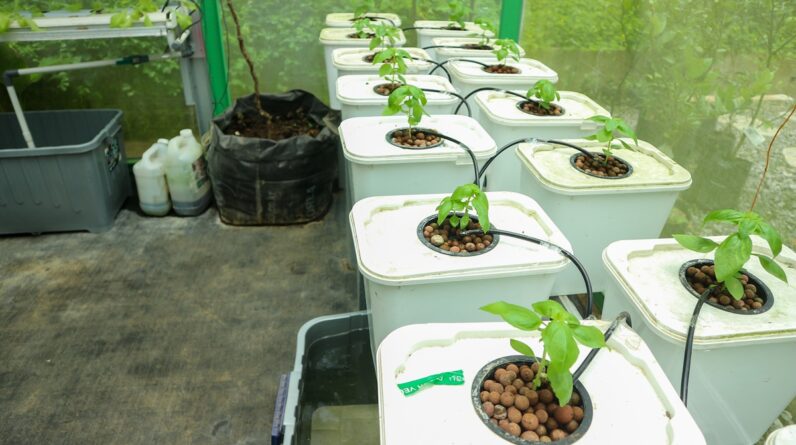
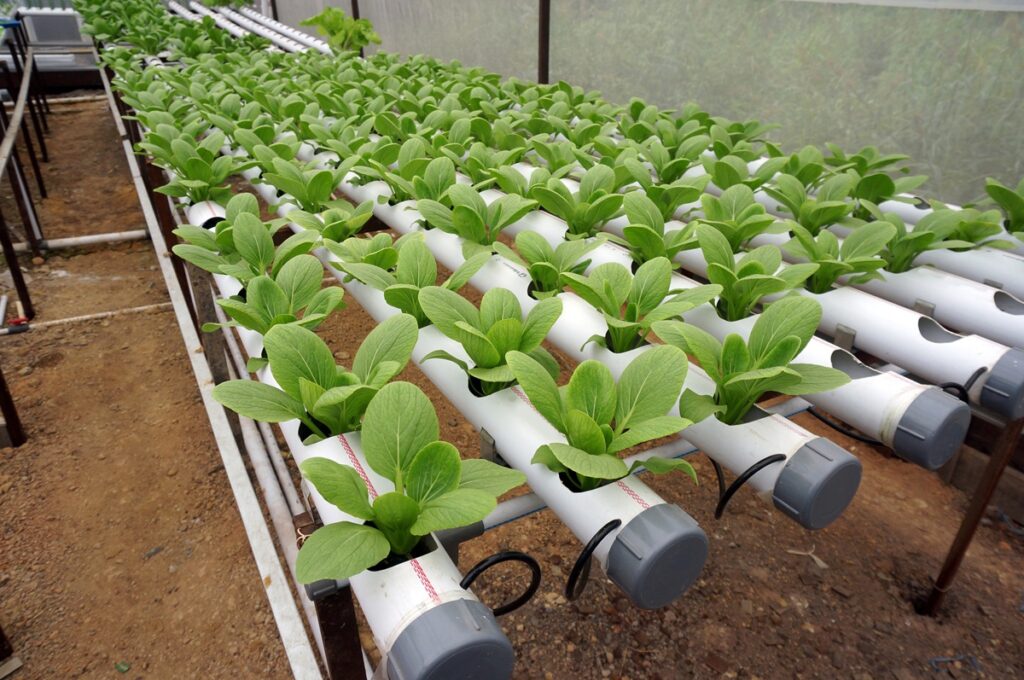
Common hydroponic systems include nutrient film technique (NFT), deep water culture (DWC), drip systems, and aeroponics. Each has its advantages and considerations, but for beginners, DWC and NFT are often recommended due to their simplicity and efficiency.
For example, a simple DWC system involves suspending plant roots in a nutrient-rich oxygenated water solution, promoting rapid growth. NFT systems channel a thin film of nutrient solution over the roots in a gentle flow, suitable for leafy greens like lettuce and herbs.
Step 1: Planning Your Hydroponic Garden
Effective planning is the foundation of a successful hydroponic garden. Consider the following factors:
- Space Availability: Determine where you’ll set up your system—indoor basement, garage, balcony, or backyard. Measure the area to understand how many plants you can accommodate.
- Crop Selection: Choose plants suited for hydroponic growth. Leafy greens such as lettuce, spinach, and kale are ideal for beginners. Herbs like basil, mint, and cilantro also thrive hydroponically. For more advanced growers, tomatoes, peppers, and strawberries can be cultivated.
- Lighting: Decide on natural sunlight or supplemental grow lights. For indoor setups, LED grow lights with full-spectrum capabilities are energy-efficient and effective.
- Budget and Resources: Establish your budget for equipment, nutrients, and ongoing maintenance. Basic systems can start as low as $50, while more elaborate setups may cost several hundred dollars.
Sketching a layout plan helps visualize your system, ensuring optimal placement of containers, lighting, and access points for maintenance.
Step 2: Gathering Materials and Equipment
Once your plan is in place, gather the necessary materials. Here’s a comprehensive list for a basic DWC or NFT system:
- Container or Reservoir: Food-grade plastic tubs or buckets with lids, typically holding 5-20 gallons of nutrient solution.
- Growing Trays or Channels: For NFT systems, use PVC or specialized hydroponic channels. For DWC, net pots with clay pebbles or other inert media support the plants.
- Pumps and Air Stones: An air pump with air stones to oxygenate the nutrient solution, vital for healthy root development.
- Nutrient Solution: Commercially prepared hydroponic nutrients formulated for specific plant types or DIY mixes of water-soluble fertilizers.
- Lighting: LED grow lights or fluorescent fixtures, depending on your setup.
- pH Testing Kit and pH Adjusters: To maintain optimal pH levels (generally between 5.5 and 6.5).
- Seeds or Seedlings: High-quality, disease-free seeds or starter plants suited for hydroponic growth.
- Support Structures: Trellises, stakes, or netting for plants like tomatoes or cucumbers.
Investing in quality materials ensures system durability and plant health. For example, using food-grade containers prevents chemical leaching, and reliable pumps maintain consistent water flow and oxygenation.
Step 3: Setting Up Your Hydroponic System
Follow these detailed steps to assemble your hydroponic garden:
- Prepare the Reservoir: Clean the container thoroughly with water and mild soap. Fill it with water and add your chosen nutrients according to the manufacturer’s instructions.
- Install the Pump and Air Stones: Place the air stone at the bottom of the reservoir and connect it to the air pump. Turn on the pump to ensure proper oxygenation of the solution.
- Set Up Growing Trays or Channels: Position the channels or net pots above the reservoir, ensuring they are stable and accessible for planting and maintenance.
- Plant Your Seeds or Seedlings: Sow seeds in inert media like clay pebbles or place seedlings into net pots filled with inert media. Gently insert them into the system, ensuring roots can access the nutrient solution.
- Adjust pH and Nutrients: Use the pH testing kit to measure the solution’s pH. Adjust it to the optimal range (5.5-6.5) using pH up or down solutions. Confirm nutrient concentration if using a DIY mix.
- Set Up Lighting and Environmental Controls: Position grow lights at appropriate distances to prevent heat stress. For indoor setups, consider temperature and humidity controls to mimic ideal growing conditions.
For example, when setting up a lettuce hydroponic system indoors, place LED grow lights approximately 12 inches above the plants, maintaining a 16-hour light cycle to promote rapid growth.
Step 4: Maintaining Your Hydroponic Garden
Consistent maintenance is key to a thriving hydroponic system. Here are essential tasks:
- Monitoring Water Levels: Check reservoir levels daily and top up with water as needed to compensate for evaporation and plant uptake.
- Adjusting Nutrients: Regularly test nutrient concentration and replenish or dilute to maintain optimal levels. Typically, nutrients should be replenished every 1-2 weeks.
- Maintaining pH Balance: Test pH weekly and adjust to stay within the ideal range. Fluctuations can hinder nutrient absorption.
- Inspecting Plants: Look for signs of pests, diseases, or nutrient deficiencies. Remove any unhealthy plants promptly to prevent spread.
- Cleaning System Components: Periodically clean reservoirs, tubing, and net pots to prevent algae buildup and pathogen growth.
For example, if you notice yellowing leaves in your lettuce, it may indicate a nitrogen deficiency, prompting you to adjust your nutrient mix accordingly.
Step 5: Troubleshooting and Optimization
Even with careful planning, issues can arise. Here are common problems and solutions:
- Algae Growth: Cover reservoirs to block light and prevent algae. Use opaque containers or add a layer of black plastic.
- Pest Infestations: Regularly inspect plants and use organic pest control methods like neem oil or introducing beneficial insects.
- Nutrient Imbalances: Test and adjust nutrient concentrations and pH levels. Use high-quality, balanced fertilizers designed for hydroponics.
- Root Rot or Mold: Ensure adequate oxygenation and avoid overwatering. Improve airflow and maintain clean system components.
For example, if your tomato plants show stunted growth, check for root rot signs such as slimy roots, and consider increasing aeration or reducing nutrient concentration.
Step 6: Harvesting and Extending Your Growing Season
Once your plants mature, harvest them at peak ripeness for the best flavor and nutritional value. For leafy greens, this often means cutting leaves at the base. For fruiting plants like tomatoes, harvest when fruits are fully colored and firm.
Hydroponic systems allow for year-round cultivation, especially indoors with controlled environments. To extend your growing season, consider installing climate control systems such as heaters, fans, and humidifiers to maintain optimal conditions regardless of outdoor weather.
For example, a well-maintained indoor hydroponic setup can produce fresh basil and lettuce even in winter months, providing a continuous supply of herbs and greens.
Additional Tips for Success
- Start Small: Begin with a manageable number of plants to learn system nuances before scaling up.
- Keep Detailed Records: Track water, nutrient levels, pH, and plant growth to identify patterns and improve your system over time.
- Stay Informed: Follow hydroponic forums, local gardening groups, and reputable sources like government agricultural extension services for updates and advice.
- Be Patient: Plants may take time to adapt to your system. Consistent care yields the best results.
Conclusion
Hydroponics offers a rewarding way to grow fresh, healthy produce with minimal space and resources. By following this simple, repeatable plan—careful planning, proper setup, diligent maintenance, and troubleshooting—you can establish a thriving hydroponic garden tailored to your needs. Whether you’re aiming to grow herbs on your kitchen windowsill or vegetables in a backyard shed, hydroponics can transform your gardening experience and provide a sustainable source of nutritious food year-round.
Frequently Asked Questions
What are the main benefits of using a hydroponics garden?
A hydroponics garden allows for faster plant growth and higher yields compared to traditional soil gardening because nutrients are delivered directly to the roots in a controlled environment. It also uses less water, as the nutrient solution is recirculated, making it more sustainable. Additionally, hydroponics can be set up indoors or in small spaces, making it accessible for urban gardeners.
What are common types of hydroponic systems used in home gardens?
Common types of hydroponic systems include nutrient film technique (NFT), deep water culture (DWC), and drip systems. NFT involves a thin film of nutrient solution flowing over the roots, while DWC suspends plants in a nutrient-rich oxygenated water solution. Drip systems deliver nutrients directly to each plant’s roots through a network of tubes, making them suitable for larger or more diverse setups.
What are the key factors to consider when starting a hydroponics garden?
When starting a hydroponics garden, it is important to consider the lighting, nutrient solution composition, pH levels, and temperature control. Proper lighting, especially if indoors, ensures healthy plant growth. Maintaining the correct pH and nutrient balance is crucial for optimal plant health, and temperature should be kept within suitable ranges for the specific plants being grown.